
Plants
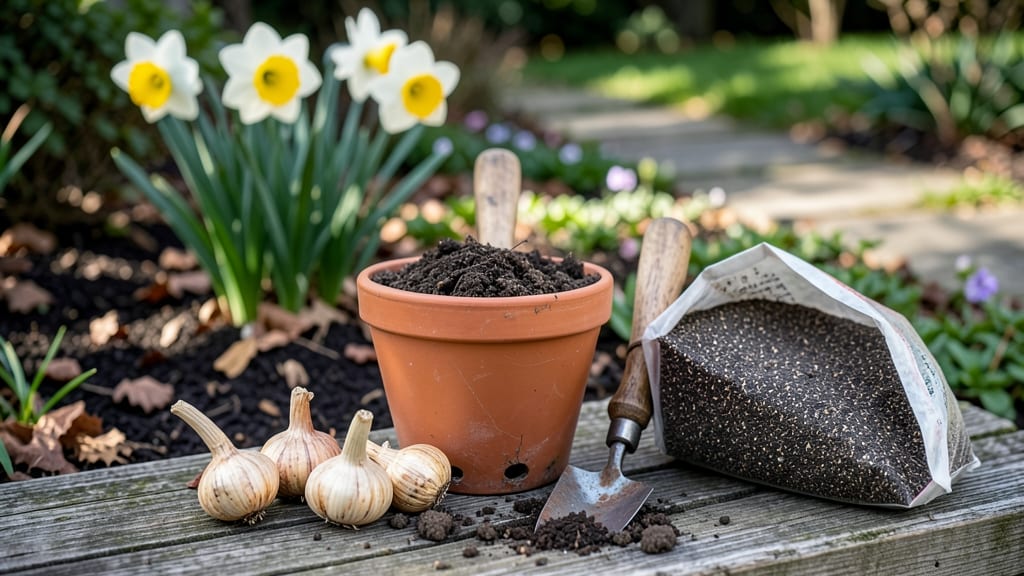
Planting daffodils in Colorado at the wrong time means wasting money on bulbs that never bloom—or worse, losing them to frost before they even get a chance to root.
The key to success lies in understanding your specific USDA zone (5-7) and Colorado’s chill-hour requirements, which can vary dramatically from Denver’s urban heat to the high-altitude chill of the Rockies.
Most Colorado gardeners assume fall planting is automatic, but timing matters more than you think. You’ll want to plant 6-8 weeks before the ground freezes, typically between September and November, when soil temperatures drop to 40-50°F.
This window ensures your 🌼 daffodils have time to establish roots before winter sets in—critical for those 400-600 chill-hours they need to thrive.
Don’t let Colorado’s unpredictable weather throw you off. Whether you’re in the Front Range or the Western Slope, I’ll break down exactly how to read your local frost dates, adjust planting depth for rocky soil, and even choose the right varieties for your microclimate.
Let’s get those bulbs in the ground the right way.
Ready to skip the guesswork? You’ll leave here with a clear planting schedule, soil prep tips, and even where to find Colorado State University’s latest frost-date updates. No more second-guessing—just confident, blooming daffodils next spring.
Colorado daffodil planting timeline: chill-hours & frost-date rules
Colorado’s USDA zones 5-7 create a unique challenge for daffodil growers. Unlike coastal regions, our chill-hour requirements (400-600 hours below 45°F) must align with soil temperature triggers between 40-50°F for optimal root establishment. Miss this window, and your bulbs may rot in cold soil or fail to bloom next spring.
Most Colorado gardeners aim to plant 6-8 weeks before the first hard frost, which typically falls between mid-October and early November, depending on elevation.
For example, Denver (Zone 5) usually plants in late September to early October, while high-altitude areas (Zone 4/5) may need to start as early as mid-September.
Here’s the critical rule: Plant when soil temperatures consistently stay between 40-50°F at 6-inch depth. Use a soil thermometer to verify—this is your green light to dig. If temperatures drop below 40°F, bulbs risk rot or dormancy failure.
🌼 Colorado Daffodil Planting Summary
| USDA Zone | Ideal Planting Window | Soil Temp Trigger | Chill-Hours Needed |
|---|---|---|---|
| Zone 5 (Denver, Fort Collins) | Late September–Early October | 45–50°F (7–10°C) | 500–600 hours |
| Zone 6 (Colorado Springs, Pueblo) | Early–Mid October | 40–45°F (4–7°C) | 400–500 hours |
| Zone 7 (Albuquerque, southern CO) | Mid–Late October | 40–42°F (4–5°C) | 350–450 hours |
| High Altitude (Zone 4/5) | Mid–Late September | 45–50°F (7–10°C) | 600+ hours |
⚠️ Pro Tip: Use the Colorado State University Extension frost date calculator for your specific county to fine-tune timing.
For gardeners in Zone 5-6, aim to finish planting by October 15th. If you’re in Zone 7, you can push planting until November 1st, but avoid waiting longer—daffodils need time to establish roots before winter sets in.
I’ve learned this the hard way: overly late plantings often produce smaller blooms or skip flowering entirely.
Another key factor is daylength. Daffodils respond to shorter days (below 12 hours of sunlight) as a signal to bulb. By planting in September-October, you align with this natural cue, ensuring stronger root growth before dormancy.
Think of it as tricking the bulb into thinking winter is coming—just in time for Colorado’s first snow!
If you’re unsure about your local frost dates, check the National Weather Service or your county extension office. For example, Boulder’s average first frost is October 15th, while Grand Junction’s is closer to October 25th. These dates can shift by 1-2 weeks yearly, so flexibility is key.
For container gardening, the rules are slightly different. Potted daffodils can tolerate slightly later planting (up to November) because containers warm up faster in spring. However, they’ll need winter protection (mulch or frost blankets) to survive Colorado’s freeze-thaw cycles.
One mistake I see often is planting too shallow in rocky Colorado soil. Daffodil bulbs need 6-8 inches of depth to protect them from frost heave. In clay-heavy soils, amend with compost or sand to improve drainage—waterlogged bulbs rot faster than you’d think!
Finally, consider layering bulbs for extended blooms. Plant early bloomers (e.g., ‘February Gold’) in September and late bloomers (e.g., ‘Ice Follies’) in October. This creates a staggered bloom time from April to May, giving you color when little else is blooming in Colorado’s high country.
Soil temperature & moisture triggers: when Colorado’s ground is ready
Colorado’s dry climate and high-altitude soils demand extra attention when planting daffodils. The key to success lies in waiting for the right soil temperature—typically between 40-50°F—and ensuring proper moisture levels before planting.
Cold soil can stunt root growth, while overly wet soil risks rot, especially in Colorado’s clay-heavy or rocky soils.
Use a soil thermometer to check depth (6-8 inches). In most Colorado regions, this happens in late September to early October, but high-elevation areas like Denver or Boulder may need to wait until October. Pro tip: Test in the late afternoon when soil is warmest for accuracy.
Colorado’s low humidity means daffodil bulbs can dry out faster. Before planting, water the soil to a depth of 6-8 inches—this mimics natural rainfall and helps roots establish. If your soil drains poorly (common in Front Range clay soils), mix in compost or sand to improve aeration.
⚠️ Warning: Rocky or Compacted Soil?
Problem: Colorado’s rocky terrain or compacted clay can strangle roots. Planting too deep (below 8 inches) or in undisturbed soil risks poor growth.
Solution: Loosen soil with a bulb planter or garden fork. For rocky areas, create 12-inch-deep pockets and fill with amended soil.
Adjust planting depth based on your soil type. In sandy soils (common in Western Slope regions), plant daffodils 6 inches deep to prevent drying. In clay or loam (typical of the Eastern Plains), go 8 inches deep for better moisture retention.
Always plant the bulb with its pointy end up—this ensures proper growth direction.
Mulch after planting with 2-3 inches of straw or shredded leaves to insulate bulbs from Colorado’s temperature swings. This helps maintain consistent soil temps and reduces water evaporation. Remove mulch in early spring once shoots emerge to prevent rot.
For container gardening in Colorado’s variable microclimates, use well-draining potting mix and plant bulbs in October. Keep containers in a sheltered spot (like a garage or under eaves) during freeze-thaw cycles to protect roots. Water containers sparingly once planted—overwatering in cold soil is a common mistake.
Monitor your garden for signs of soil readiness: healthy daffodil foliage in spring means you nailed the timing. If leaves appear weak or yellow, it’s often a sign of improper soil conditions or planting too late. Adjust next year’s schedule accordingly!