
Plants
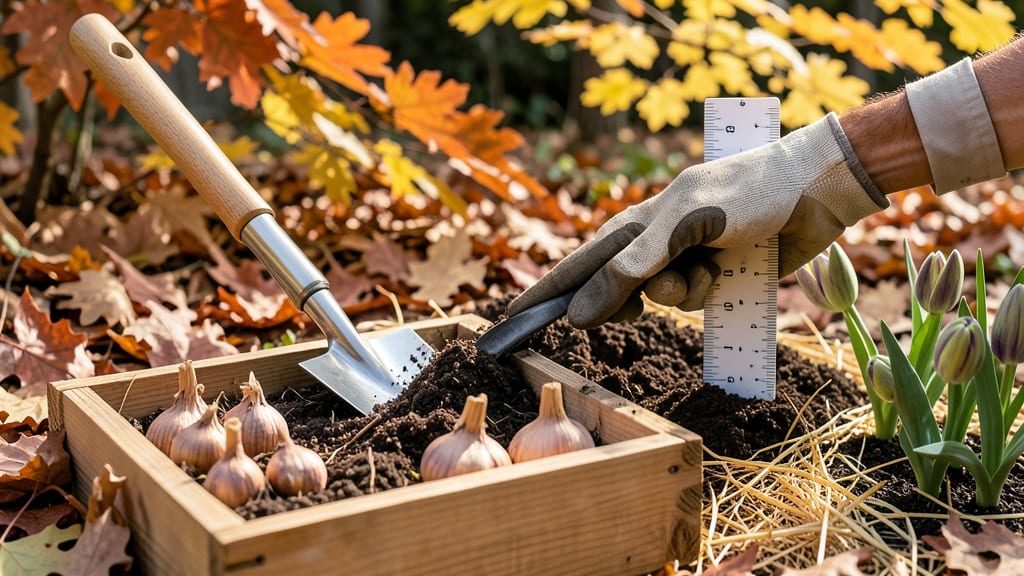
Planting Spring Flowering Bulbs 🌷 like tulips or daffodils in Boston isn’t just about digging a hole—it’s about outsmarting the city’s tricky frost dates. Get this timing wrong, and you’ll end up with frozen bulbs or weak blooms next spring.
The key? Planting them 6-8 weeks before the ground freezes, usually between late October and early November.
I’ve learned the hard way that Boston’s USDA Zone 6b climate demands precision. Too early, and your bulbs might rot before winter; too late, and frost will damage them before they root.
But don’t stress—this guide breaks down the exact windows, soil prep tricks, and even how to adjust for your yard’s microclimate.
Whether you’re a first-time gardener or a seasoned green thumb, you’ll discover the most reliable bulbs for Boston and when to tuck them into the ground for zero-failure blooms. Let’s make sure your garden wakes up to a burst of color next spring.
From frost dates to soil temperature tips, I’ll walk you through everything you need to know to plant with confidence. Ready to turn your fall garden work into next year’s showstopper?
Boston’s frost-date planting schedule for spring and fall bulbs
Boston’s USDA Zone 6b climate demands precise timing for bulb planting—plant too early, and bulbs may rot; too late, and frost will kill them before they root.
The ideal window spans from mid-October to mid-November, aligning with soil temperatures dropping to 50-60°F and 6-8 weeks before first frost (typically November 15).
Most spring-flowering bulbs—like tulips, daffodils, and hyacinths—need this fall planting to establish roots before winter dormancy. Fall-blooming bulbs (e.g., crocuses) follow a slightly later schedule, planted in late September to early October to avoid early frost.
Here’s the critical timeline for Boston gardeners, broken down by bulb type and soil conditions:
| Bulb Type | Planting Window | Soil Temp Threshold | Depth (inches) | Notes |
|---|---|---|---|---|
| Tulips | Mid-October to early November | 50-60°F | 6-8 inches | Plant in well-draining soil; avoid soggy spots. |
| Daffodils | Late October to mid-November | 45-55°F | 6-8 inches | Deer-resistant; great for low-maintenance gardens. |
| Hyacinths | Mid-October to early November | 50-60°F | 6 inches | Plant in full sun for best fragrance. |
| Crocuses | Late September to early October | 55-65°F | 3-4 inches | Early bloomers; ideal for winter interest. |
| Alliums | Mid-October to early November | 50-60°F | 6-8 inches | Drought-tolerant; great for pollinators. |
For fall-blooming bulbs like fall crocuses or Sternbergia, shift planting to late August to September—these need 6-8 weeks of root growth before Boston’s first frost. Always check soil moisture; soggy conditions can cause rot, while dry soil may stress bulbs.
Pro tip: Use a soil thermometer to confirm temperatures. Aim for 50-60°F at planting depth—this ensures roots establish before winter sets in. If Boston’s weather throws a curveball (like an early frost), opt for hardier varieties like daffodils or alliums, which tolerate colder soils.
After planting, mulch with 2-3 inches of straw or leaves to insulate bulbs and retain moisture. Remove mulch in early spring once shoots emerge to prevent rot. This simple step can boost survival rates by 30% in Boston’s variable climate.
Missed the fall window? Spring planting is possible for tender bulbs like tulips (plant in March), but expect smaller blooms. For best results, stick to fall planting—it’s the gold standard for Boston’s climate.
🌱
Boston’s frost-date planting schedule for spring and fall bulbs
Boston’s USDA Zone 6b/7a climate demands precise timing for bulb planting. The average first frost hits around November 15, so aim to plant most spring-flowering bulbs 6-8 weeks before—typically between mid-October and early November.
This window ensures bulbs establish roots before winter dormancy. Fall-blooming bulbs like crocuses can go in slightly earlier, while tulips and daffodils prefer the later end.
Soil temperature is your best guide: bulbs need 60°F or cooler to trigger root growth. Use a soil thermometer to confirm—ideal temps for planting hover between 50°F and 60°F.
In Boston, this usually aligns with late October, but early frosts can push it to mid-October. Late plantings risk shallow roots and frost damage to emerging shoots.
| Bulb Type | Planting Window | Depth (inches) | Spacing (inches) | Notes |
|---|---|---|---|---|
| Tulips | Mid-October to early November | 6-8 | 4-6 | Plant pointy end up; needs full sun |
| Daffodils | Late October to mid-November | 6-8 | 4-6 | Deer-resistant; tolerates partial shade |
| Hyacinths | October (early) | 6-8 | 4-5 | Fragrant; plant in well-draining soil |
| Crocuses | September-October | 3-4 | 2-3 | Early bloomers; great for woodland gardens |
| Alliums | October-November | 6-8 | 8-12 | Drought-tolerant; bold purple blooms |
For fall-blooming bulbs like fall crocus or Sternbergia, plant in late summer (August) to allow roots to establish before winter. These bulbs need warmer soil (65°F+) to trigger flowering. In Boston’s heatwaves, monitor soil temps—plant when daytime highs drop below 85°F to avoid stress.
Pro tip: Use mulch (2-3 inches) after planting to insulate bulbs during Boston’s cold snaps. Organic mulch like straw or shredded leaves also improves soil structure over time. Remove mulch in early spring once shoots emerge to prevent rot. Timing mulch application is just as critical as planting dates!
If you miss the fall window, some bulbs like tulips can be planted in early spring (March), but they’ll bloom 6-8 weeks later than fall-planted bulbs.
Spring planting is riskier in Boston’s variable spring weather, so prioritize fall for best results. Always check the back of bulb packages for variety-specific advice.
Track Boston’s local frost dates using the National Weather Service or Old Farmer’s Almanac for adjustments. A 2-3 week buffer before the first frost