
Planting
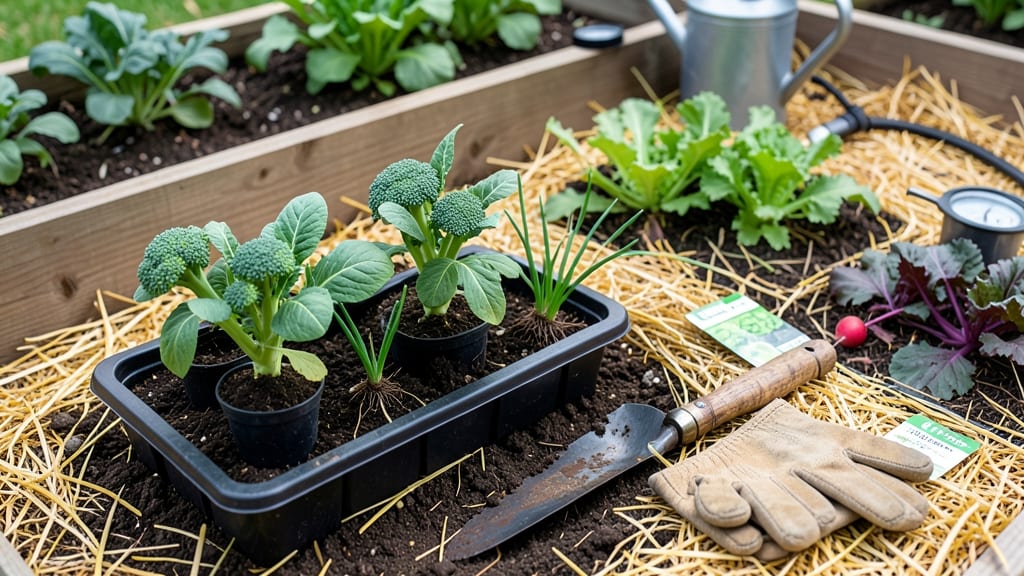
Planting a fall garden in Texas isn't just about throwing seeds in the dirt—it's about beating the heat and frost with precision timing.
If you miss the 6-week window before your first frost, those crisp greens and hearty root veggies you dreamed of could turn to mush or bolt before harvest.
The key is knowing exactly when to start, whether you're in the cooler hills of Zone 8A or the balmier coast of Zone 10A.
I've spent years watching Texas gardens thrive (and fail) based on timing, and the difference between a bumper crop and wasted effort often comes down to those few weeks.
You'll learn how to read your local frost dates like a pro, plus which crops actually love Texas's fall climate—think collards that taste sweeter after a light frost or carrots that stay tender longer.
No more guessing games, just a clear roadmap to a garden that keeps giving until winter sets in.
What if I told you that some Texas gardeners are already harvesting by October while others panic in November? The secret isn't luck—it's strategy. We'll break down the exact months to plant everything from leafy greens to brassicas, plus how to stretch your season with simple tricks like row covers.
Whether you're a first-timer or a seasoned grower, these insights will help you avoid the 3 biggest mistakes that derail fall gardens in Texas every year.
Ready to grow a fall garden that outlasts the heat and frost? Let's dive into the zone-specific deadlines and crop rotations that'll have your table stocked with homegrown goodness well into December. Your future self (and your taste buds) will thank you.
Texas fall planting deadlines by heat zone (8A-10A): exact months for zero-frost success
Texas's diverse Heat Zones 8A-10A create unique challenges for fall gardening. Unlike northern states, our mild winters mean frost dates vary dramatically—from late November in Zone 8A to January in Zone 10A. Missing these windows can leave you with stunted crops or total frost loss.
Let's break down the exact planting deadlines for each zone to maximize your harvest.
In Zone 8A (North Texas), your last chance to plant frost-tender crops like basil or cucumbers is mid-August. By September, temperatures drop enough to support cool-season vegetables. Meanwhile, Zone 10A (South Texas) gardeners can push planting until early October for many crops, thanks to later frost dates.
Understanding these differences is key to avoiding common mistakes like overplanting too late.
Here's the critical timeline you need to follow, based on USDA frost data and Texas A&M recommendations:
| Heat Zone | First Frost Date | Ideal Planting Window | Last-Chance Planting | Example Crops |
|---|---|---|---|---|
| 8A (North TX) | Nov 15 | Aug 1 - Sep 15 | Sep 30 | Collards, Kale, Carrots |
| 9A (Central TX) | Nov 30 | Aug 15 - Oct 1 | Oct 15 | Spinach, Radishes, Broccoli |
| 10A (South TX) | Jan 15 | Sep 1 - Oct 15 | Nov 1 | Turnips, Lettuce, Green Onions |
For Zone 8A gardeners, I recommend starting leafy greens like spinach in early August to give them 60-70 days before frost. In Zone 10A, you can even plant fast-maturing crops like radishes in late October for a holiday harvest.
The key is matching your crop's days-to-maturity with your zone's frost date.
Don't overlook succession planting—this is your secret weapon for extending harvests. For example, in Zone 9A, plant bush beans every 2 weeks from August through September to keep picking through November. This simple strategy can double your yield without extra space.
One common mistake I see is planting warm-season crops too late. Tomatoes and peppers planted after mid-August in Zone 8A rarely mature before frost. Instead, focus on cool-season staples like kale, carrots, and broccoli that thrive in 50-70°F temperatures.
These crops are more forgiving and will reward you with sweet, tender harvests.
Pro tip: Use your local cooperative extension service (like Texas A&M AgriLife) for hyper-local frost data. Their 30-year averages are more reliable than generic online charts.
For example, Dallas (Zone 8A) might have a frost 2 weeks earlier than Austin (Zone 8B), even though they're in the same zone.
Remember, soil temperature matters more than air temperature. Use a soil thermometer to confirm your garden bed is above 60°F before planting seeds. Cool soil can delay germination by weeks, especially for root vegetables like carrots. Aim for 70-80°F soil for fastest growth in early fall plantings.
If you're new to Texas gardening, start with slow-to-bolt greens like collards or Swiss chard. These handle short-day lengths better than lettuce and can survive light frosts. For maximum success, mark your plant
Best fall crops for Texas gardens: which vegetables thrive in heat zones 8A-10A
Texas's long growing season means you can enjoy fresh produce well into fall, but choosing the right crops is key. Heat Zones 8A-10A offer unique opportunities for gardeners—think leafy greens that love cooler temps and root vegetables that store well.
My top picks balance cold tolerance with heat resilience, ensuring a bountiful harvest before frost.
Start with collard greens and kale, two powerhouses that thrive in Texas's mild winters. These leafy greens not only survive light frosts but taste sweeter after a frost. Next, add carrots and turnips, which mature quickly in cooler soil and store well for holiday meals.
Don’t overlook broccoli and cauliflower—they prefer cooler temps and can be direct-sown in late summer for a fall harvest. For something different, try radishes; they’re fast-growing and perfect for succession planting every 2-3 weeks.
🌱
For herbs, consider cilantro and parsley, which thrive in cooler weather. Both bolt quickly in summer heat, making fall the perfect time to grow them. If you love flavorful greens, mustard greens are another great option—they’re fast-growing and packed with nutrients.
When planning your fall garden, prioritize succession planting for quick crops like radishes and lettuce. This ensures a steady harvest and maximizes your garden space. Start with heat-tolerant varieties and transition to cooler-weather crops as temperatures drop.
🌿