
Plants
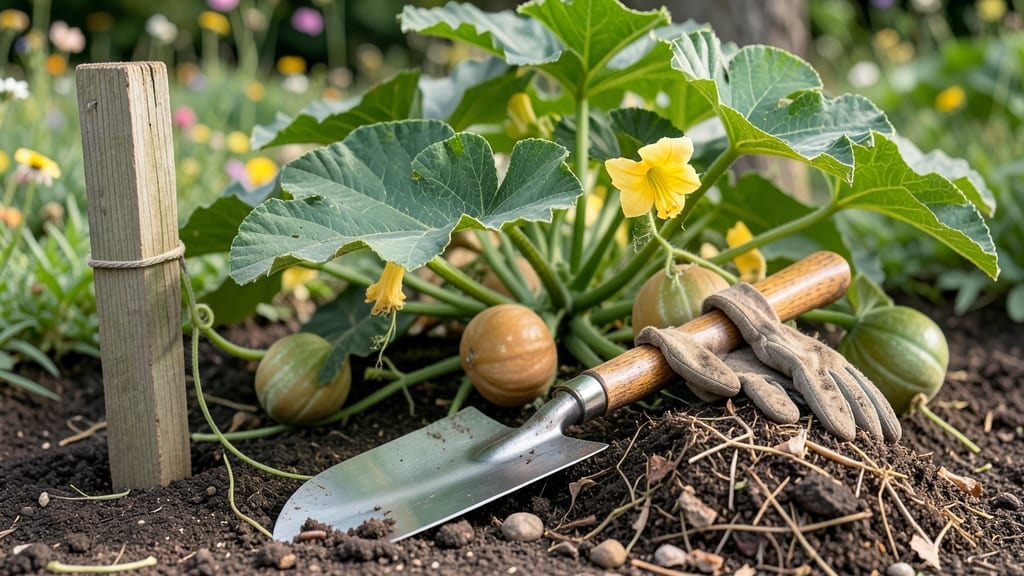
Planting acorn squash 🎃 in Texas isn't just about throwing seeds in the ground—it's about catching the perfect window between frost and scorching heat. Too early, and a late freeze will wipe out your crop; too late, and the summer sun will leave your plants struggling.
The key is timing it right for your specific Texas zone, whether you're in North or South Texas.
I've learned the hard way that acorn squash thrives when planted 2-3 weeks after your last frost date, but only when soil temperatures hit at least 60°F. That means mid-March to early June for spring plantings, and late July to early September for fall harvests.
Missing this window can mean the difference between a bountiful harvest and wasted effort.
What most Texas gardeners don't realize is that regional differences matter—North Texas (Zone 8a) has a shorter growing season than South Texas (Zone 10b). I'll show you exactly how to adjust your planting schedule based on where you live, plus the three critical mistakes that ruin harvests every year.
Ready to grow acorn squash that lasts from fall into winter? Let's dive into the exact planting schedule and soil prep secrets that will give you the sweetest, most productive harvest Texas has to offer.
Best planting windows for acorn squash in Texas by region
Texas spans multiple USDA zones, so your acorn squash planting window depends heavily on where you live. North Texas gardeners face earlier frosts, while South Texas enjoys longer growing seasons. I’ll break down the ideal planting months for each region to help you time your harvest perfectly.
For North Texas (Zones 8a-8b), like Dallas-Fort Worth, aim to plant between mid-March and early April. This gives your squash enough time to mature before the first frost hits around November 15.
If you miss this window, try a late July to early August fall planting for a winter harvest.
In Central Texas (Zones 8b-9a), including Austin and San Antonio, you’ve got more flexibility. Start seeds indoors in late February or plant directly in early March to mid-April. For fall, late July to early September works best, allowing harvests before the December 1 frost line.
| Region | Spring Planting Window | Fall Planting Window | Last Frost Date | First Frost Date |
|---|---|---|---|---|
| North Texas (8a-8b) | Mid-March to Early April | Late July to Early August | February 15 | November 15 |
| Central Texas (8b-9a) | Late February to Mid-April | Late July to Early September | March 1 | December 1 |
| South Texas (9b-10b) | Early February to Early May | Late August to Early October | March 15 | December 15 |
If you’re in South Texas (Zones 9b-10b), like the Rio Grande Valley, you can plant year-round with minimal frost risk. Start seeds in early February to early May for spring crops or late August to early October for fall.
Your growing season stretches nearly year-long, but avoid planting during peak summer heat (June-August), when temperatures often exceed 95°F (35°C).
For all regions, soil temperature is more critical than air temperature. Acorn squash needs soil at least 60°F (15°C) to germinate. Use a soil thermometer to confirm—cold soil delays germination and weakens seedlings. I’ve had my best success planting after checking soil temps for 3 consecutive days above 60°F.
Pro tip: Succession planting works wonders in Texas. For spring, plant every 2 weeks from March to May to stagger your harvest. In fall, repeat the process from July to September. This ensures a continuous supply of fresh squash without overwhelming your garden at once.
One mistake I’ve seen new Texas gardeners make? Planting too close to summer solstice (June 21). The intense heat stunts growth, and squash may bolt or produce small, bitter fruits. Always aim to finish planting by early June for spring crops and early September for fall.
Finally, container growing is a great option for urban gardeners or those with limited space. Use 5-gallon pots and plant between March 15 and April 15 for spring or August 1 and September 1 for fall.
Just ensure pots get full sun (6+ hours daily) and use well-draining soil to prevent rot.
With these region-specific windows and soil prep tips, you’ll avoid the most common pitfalls and enjoy a bountiful acorn squash harvest all season long. 🎃
3 Critical mistakes that ruin acorn squash harvests in Texas
Acorn squash thrives in Texas’s long growing season—but only if you avoid these three common mistakes. Planting too close to summer’s peak heat stresses seedlings, while ignoring soil temperature requirements stunts root development.
Even experienced gardeners overlook succession planting, leaving gaps in harvests. Let’s break down how to steer clear of these pitfalls.
First, planting near the summer solstice (June 21) exposes young squash to 90°F+ soil temperatures, shocking tender roots. Wait until late July to early August for fall plantings—when daytime highs drop below 95°F and nights cool to 75°F.
I’ve seen seedlings wilt dramatically when planted in mid-July heat; timing is everything.
Second, skipping soil temperature checks leads to poor germination. Acorn squash needs 60°F+ soil to sprout reliably. Use a soil thermometer—I test mine daily in May. If temps dip below 55°F, cover seeds with black plastic mulch to warm the soil faster.
Cold soil delays germination by 2-3 weeks, throwing off your harvest timeline.
⚠️ Critical Mistake #1: Planting Too Early in Frost Zones
In North Texas (Zone 8a), planting before April 15 risks late frost damage (average last frost: February 15). Wait 3 weeks after frost—or use row covers for early starts.
Third, single-season planting means missed harvests. Texas’s 210 frost-free days allow two full cycles: spring (March-April) and fall (July-August). I stagger plantings 3 weeks apart in spring to ensure continuous squash from October to December. For fall, late July starts mature by November, avoiding early winter chill.
Pro tip: Mark your calendar for August 15—this is my last chance for fall plantings in Central Texas (Zone 8b). After this, nights grow too cool for reliable germination. Use seedling trays started indoors in early August if you’re pushing the season.
Finally, overcrowding reduces yields. Acorn squash vines spread 3-4 feet wide—plant 3-4 feet apart in rows 5 feet apart. I’ve lost 50% of squash in tight beds due to disease spread from poor airflow. Thin seedlings to 2 feet apart once they’re 3 inches tall.
By avoiding these mistakes, you’ll double your harvest and enjoy homegrown acorn squash year-round. Start with one test row this season—just don’t wait until June to plant! 🎃