
Plants
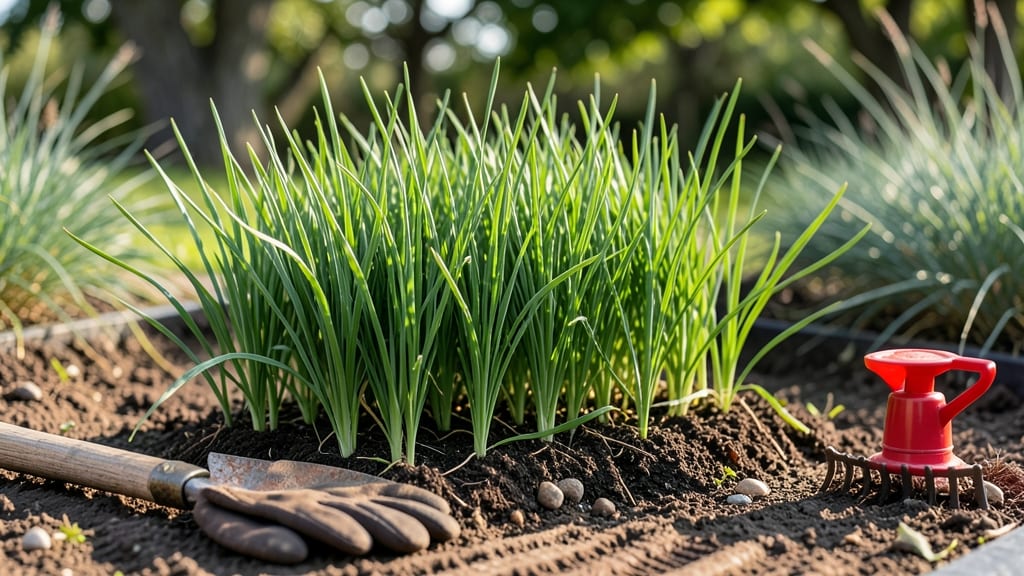
Planting fescue in North Texas at the wrong time can leave you with weak grass that struggles through summer heat or freezes before establishing strong roots.
The key to lush, resilient lawns isn't just choosing the right grass—it's planting it when the soil warmth and moisture balance align perfectly for root growth.
For North Texas gardeners in USDA Zone 8a, the ideal window opens in late August and closes by early October. This narrow period lets your fescue take advantage of cooling temperatures while avoiding the brutal summer sun that can stress young plants.
Think of it as giving your grass a head start before winter sets in.
Why does timing matter so much? Because fescue needs 4-6 weeks to establish strong roots before frost arrives—usually around mid-December in this region. Plant too early, and summer's heat will dry out your soil; too late, and winter's chill will stunt growth before it begins.
In this guide, I'll walk you through exactly when to plant, how to prep your soil, and what to watch for to ensure your fescue thrives year after year. Let's get started on that perfect lawn foundation.
Best months to plant fescue in North Texas for frost resistance
Timing your fescue planting is critical in North Texas (USDA Zone 8a), where summer heat and winter frost create a narrow 4-6 week window for success.
The ideal time to plant is between mid-August and early October, when soil temperatures drop below 80°F but remain above 55°F—perfect for root establishment before frost arrives.
This window ensures your fescue develops a strong root system before first frost (typically mid-January), giving it the resilience to survive North Texas winters. Planting too early (June-July) exposes seedlings to heat stress and drought, while planting too late (November+) risks frost damage before roots can anchor.
For Dallas-Fort Worth metro areas, aim for September 1–October 15—the sweet spot where daytime highs stay above 70°F and nights cool enough to slow weed competition. In Wichita Falls (Zone 8a), shift planting 1–2 weeks earlier due to slightly cooler nights.
| Region | Ideal Planting Window | Soil Temp Threshold | Key Consideration |
|---|---|---|---|
| Dallas-Fort Worth | September 1–October 15 | 55°F–80°F | Avoid October 16+ (frost risk) |
| Wichita Falls | August 20–October 1 | 50°F–78°F | Cooler nights extend window |
| Amarillo (Zone 7b) | August 15–September 30 | 45°F–75°F | Earlier frost dates |
Use a soil thermometer to verify conditions—ideal planting occurs when soil temps at 2-inch depth consistently stay between 60°F–75°F. Morning is the best time to check, as afternoon temps can spike 10°F+ higher in North Texas clay soils.
For late plantings (November), choose cold-hardy tall fescue varieties like 'Kentucky 31' or 'Turftype tall fescue', which tolerate brief frost exposure better than fine fescue. Always acclimate seedlings gradually by hardening off for 7–10 days before transplanting.
Pro tip: Seed depth matters—plant fescue ¼–½ inch deep in moist soil to ensure consistent moisture during germination. Use a seed starter fertilizer (5-10-10 ratio) at planting to jumpstart root growth in North Texas' nutrient-poor clay soils.
Monitor your local National Weather Service forecasts for 10-day outlooks—a 32°F low within 4 weeks of planting signals it's time to cover seedlings with frost cloth at night. This simple step can save your lawn from winterkill.
Remember: Established fescue (12+ months old) handles North Texas winters beautifully, but new plantings need protection. Aim to have 3–4 inches of root growth before December 1 for the best chance at frost survival.
🌱
Best months to plant fescue in North Texas for frost resistance
North Texas gardeners face a critical 6-week window for planting fescue—late August through October. This timing ensures your grass establishes deep roots before winter, outlasting January frosts that hit USDA Zone 8a hard. The key is soil temperatures between 60°F–75°F, where seeds germinate without stress.
For Dallas-Fort Worth, aim for mid-September planting—this gives roots 4–6 weeks to strengthen before December’s first frost. In Wichita Falls, cooler nights mean pushing to early October to avoid early chills.
Microclimates matter: urban heat islands in Dallas may extend the window by 1–2 weeks compared to rural areas.
🌱 North Texas Fescue Planting Timeline
| Month | Soil Temp (°F) | Planting Window | Risk Level |
|---|---|---|---|
| August | 80–90°F | Late August (Dallas only) | High (heat stress) |
| September | 70–80°F | Entire month (ideal) | Low |
| October | 60–70°F | Early October (best) | Moderate (frost risk) |
| November | 50–60°F | Too late (frost likely) | High (failure risk) |
Pro Tip: Use a soil thermometer to confirm temps—60°F+ is your sweet spot for germination.
Adjust for early frosts: Check your local Almanac frost dates—Dallas averages January 15th, but Wichita Falls can see frost by December 15th.
Plant 6 weeks before your area’s first frost to guarantee root establishment. For example, if frost hits December 1st, aim for October 15th planting.
Why late summer planting? Fescue thrives on cool-season growth, but August heat can scorch seeds. Instead, let September’s mild temps (70–80°F) kickstart germination while October’s shorter days signal roots to bolt downward for winter survival. This dual benefit is why pros swear by September–early October.
Watch for soil moisture cues: Plant when topsoil feels damp but not soggy—North Texas clay holds moisture well, but drought stress in September can stall growth.
Water deeply 2–3 days before planting to prime the soil. Avoid planting after heavy rains, which can compact soil and suffocate roots.
Remember: Fescue’s first year is about root development, not lush blades. Prioritize deep watering (1–1.5 inches per week) over frequent light watering to encourage drought-resistant roots. By November, your grass should show 2–3 inches of growth—a sign it’s frost-ready. 🌱