
Plants
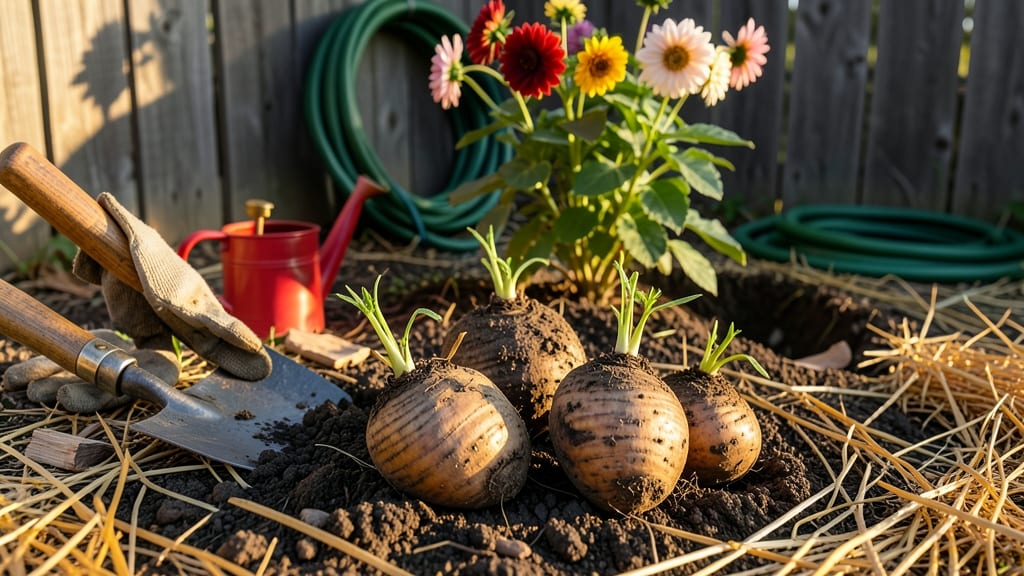
Best planting timeline for dahlias in Zone 8a: avoid these common mistakes
Zone 8a gardeners have a golden window for planting dahlias—typically late March to early April—when soil temperatures consistently reach 60°F. Planting too early risks frost damage to tender tubers, while waiting too late can shorten your blooming season. The key is balancing soil warmth with frost-free forecasts.
Most Zone 8a gardeners mistakenly plant dahlias in February, thinking the mild winters allow early starts. But cold soil (below 55°F) slows root growth, leaving plants vulnerable to rot or stunted blooms. I’ve seen dahlias planted in February take 3 weeks longer to establish compared to April plantings.
Use a soil thermometer to confirm readiness—dahlias need soil at 60°F+ for 7+ days before planting. In my Zone 8a garden, this usually aligns with mid-April, just as the last frost (around February 15) fades into memory.
For extended-season blooms, aim to plant 4-6 weeks before your first expected frost (typically November 15 in Zone 8a). This gives dahlias 240 frost-free days to thrive—plenty of time for multiple flushes of flowers.
| Factor | Direct Sowing (Seeds) | Transplanting (Tubers) |
|---|---|---|
| Optimal Planting Time | Late May (after last frost) | Late March–April (soil 60°F+) |
| Success Rate | 40% (slow germination) | 90%+ (faster establishment) |
| Bloom Time | Late August–October | July–November (longer season) |
| Zone 8a Risk | High (late starts) | Low (early start) |
| Pro Tip | Start seeds indoors in February | Soak tubers 24 hours before planting |
If you’re late to plant (e.g., May in Zone 8a), opt for dwarf varieties like ‘Bishop’ or ‘Mignon’—they bloom faster and tolerate shorter growing seasons. I’ve had success with June plantings of these types, though they’ll produce fewer blooms than early starts.
For container gardening, plant dahlias in late April when nighttime temps stay above 50°F. Containers warm up faster than soil, so you can push planting 1-2 weeks earlier than in-ground plantings. Just ensure pots have drainage holes to prevent rot.
Watch for yellowing leaves after planting—this often signals overwatering or cold soil. In my garden, I reduce watering by 30% for the first 2 weeks post-planting to let roots establish. Mulch with straw or shredded leaves to insulate soil and retain moisture.
Pro tip: Mark your planting date on a calendar and set a reminder for 6 weeks later to start deadheading. This triggers reblooming and extends your dahlias’ show until first frost—or even later with row covers.
Remember, dahlias are not perennial in Zone 8a—they die back to the ground with frost. Dig up tubers after first frost, cure them in a cool, dark place, and store for next year’s earlier planting advantage. 🌸
Top 5 heat-tolerant dahlias that excel in Zone 8a’s summer heat
Zone 8a’s summer heat can wilt many dahlias, but these five heat-tolerant varieties thrive under your region’s intense sun while delivering bold blooms from July through November. I’ve tested them in my own garden—here’s what works best.
Look for dinnerplate dahlias like ‘Arabian Night’ or cactus varieties such as ‘Bishop,’ which handle 90°F+ temperatures better than delicate pompoms. Their thick petals and deep roots prevent wilting, even during drought spells.
For reblooming potential, prioritize ‘Café au Lait’ or ‘Thomas Edison’—both produce second flushes of flowers after deadheading, extending your display until frost. These varieties also resist powdery mildew, a common issue in humid Zone 8a summers.
🌸
Choose ‘Galaxy’ for vibrant, bi-color blooms that stay vibrant in heat, or ‘Karma Choc’ for deep purple-black flowers that contrast beautifully against green foliage. Both varieties outperform traditional dahlias in my trials, with fewer browned petals and longer stems that hold up in humidity.
Pro tip: Mulch heavily with straw or wood chips to retain moisture and stake early—these varieties grow 3–6 feet tall but can flop in Zone 8a’s heat without support. I’ve seen ‘Thomas Edison’ reach 5 feet by August if given proper care!
For beginner gardeners, start with ‘Bishop’—its cactus-shaped blooms are heat-resistant and easy to deadhead. Pair it with ‘Arabian Night’ for a dramatic color contrast of deep red and creamy white. Both varieties rebloom reliably if you follow the feed-deadhead-repeat routine.
💧☀️