
Plants
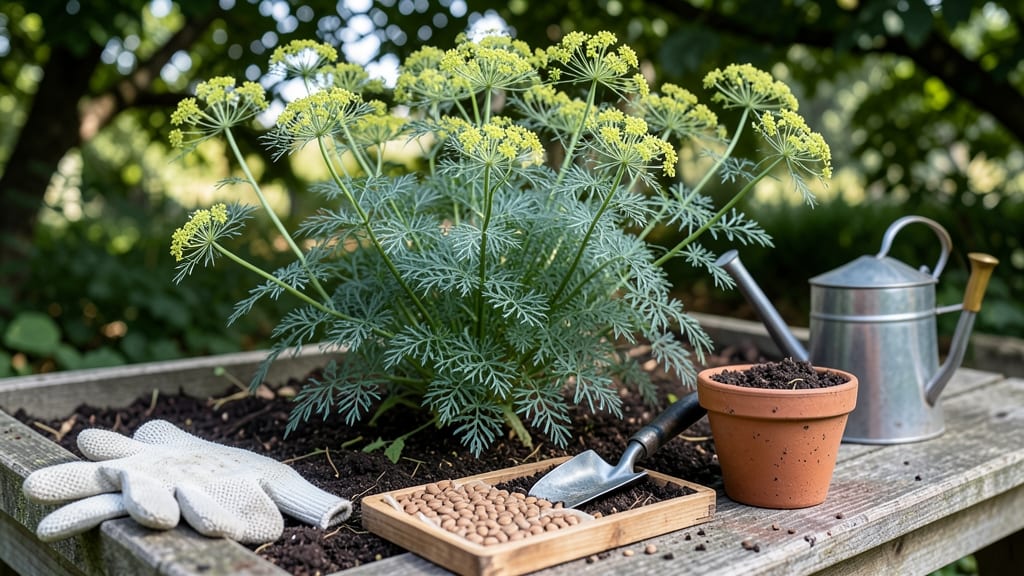
Planting dill in Southern California at the wrong time can turn your 🌱 fresh herb garden into a sad, bolted mess—especially when coastal breezes and desert heat play by completely different rules.
If you’ve ever watched your dill shoot up too fast and go to seed before you can even snip a sprig, you’re not alone. The key to success? Timing it right for your specific microclimate—whether you’re in USDA Zone 9’s coastal chill or the Zone 11 desert’s scorching summers.
I’ll show you exactly when to get those seeds in the ground (or seedlings in the soil) to avoid the dreaded bolting.
Coastal gardeners can plant as early as late winter, while inland growers should wait until spring’s last frost threat passes. But here’s the catch: dill hates heat, so the earlier you plant, the better your chances of harvesting fresh leaves all summer long.
Let’s break down the perfect planting windows for your exact corner of SoCal.
You’ll also discover how to prep your soil, choose the right varieties, and even pair dill with tomatoes and lettuce to keep pests at bay. Ready to grow dill that actually stays useful? Let’s get started.
Optimal planting months for dill in Southern California coastal vs desert zones
Southern California’s diverse climates—from foggy coastal areas to scorching desert valleys—create unique challenges for growing dill.
In coastal zones (USDA 9-10), like San Diego or Santa Barbara, cooler temperatures and morning fog allow for earlier planting, while desert zones (USDA 10-11), such as Palm Springs or the Inland Empire, demand precise timing to avoid heat bolting.
Understanding these differences is key to a successful harvest.
Dill thrives in cool to moderate temperatures (50°F–75°F), making fall and early spring the ideal planting windows. However, coastal regions can extend this window slightly due to their milder winters, while desert areas require even earlier starts to escape summer heat.
Let’s break down the best months for each microclimate to maximize your dill’s potential.
🌱 For Coastal Zones: - Best planting months: September–October (fall) and February–March (spring) - Why? Coastal areas experience milder winters with rare frost, allowing dill to grow through late fall and early winter. Planting in September gives seeds time to germinate before cooler weather sets in, while February–March avoids the summer heat that triggers bolting.
🏜️ For Desert Zones: - Best planting months: August–September (late summer) and January–February (winter) - Why? Desert regions heat up quickly, so planting in August–September lets dill establish roots before 100°F+ temperatures arrive. A winter crop (January–February) takes advantage of cooler nights and avoids the intense summer sun that causes dill to bolt prematurely.
| Factor | Coastal Zones (USDA 9-10) | Desert Zones (USDA 10-11) |
|---|---|---|
| Best Planting Window | Sep–Oct & Feb–Mar | Aug–Sep & Jan–Feb |
| Key Climate Challenge | Morning fog delays growth | Heat bolting risk |
| Soil Temp for Germination | 60°F–70°F | 70°F–80°F |
| Frost Risk | Low (rare below 32°F) | None (USDA 11) |
| Harvest Window | Nov–Apr | Feb–May |
| Shade Needs | Minimal (morning sun) | Afternoon shade essential |
In coastal zones, dill planted in September will germinate quickly thanks to warm soil and moderate daytime temps. By November, you’ll see steady growth, and harvests can begin as early as December for leafy varieties or February for seed production.
Spring plantings (February–March) ensure a summer harvest before the September heat arrives.
Desert gardeners should prioritize late summer (August–September) plantings to give dill a head start before temperatures soar. Use shade cloth (30–50%) to protect seedlings from intense afternoon sun, which can stress young plants.
Winter plantings (January–February) are safer and often produce larger, more flavorful leaves due to cooler nighttime temperatures.
Avoid planting dill in Southern California’s peak summer months (June–August), regardless of zone. Temperatures above 85°F trigger bolting, causing the plant to flower and go to seed prematurely.
This ruins the tender leaves gardeners love for soups, salads, and pickling. Instead, plan for two planting cycles per year: one in fall and one in early spring.
Pro tip: Use a soil thermometer to monitor conditions. Dill seeds need soil temps between 60°F–80°F to germinate. In coastal areas, this is easier to achieve in fall, while desert gardeners may need to pre-warm soil with black plastic mulch before planting in August.
If you’re in a transitional zone
Optimal planting months for dill in Southern California coastal vs desert zones
Southern California’s diverse microclimates create a unique challenge for growing dill. Coastal areas like San Diego and Santa Barbara enjoy milder winters, while inland desert regions such as Palm Springs face intense summer heat. These differences mean your planting window should vary by USDA Zone 9-11 location.
For coastal zones, the best time to plant dill seeds is between late February and early April. This timing allows your plants to mature before summer’s heat stress sets in.
In contrast, desert regions benefit from planting in October and November to avoid the scorching June Gloom and extreme summer temperatures.
Dill thrives in cooler weather, making early spring and fall the ideal seasons. However, if you live in Zone 10-11, you can even experiment with winter planting (December-January) for a late harvest. Just be prepared for potential bolting if temperatures rise too quickly.
| Climate Zone | Best Planting Months | Key Considerations | Harvest Window |
|---|---|---|---|
| Coastal (Zone 9-10) | Late February - Early April | Mild winters, avoid summer heat | May - July |
| Inland Desert (Zone 10-11) | October - November | Escape summer heat, cooler nights | January - March |
| Coastal (Zone 11) | December - January | Winter planting for late harvest | March - May |
If you miss the ideal planting window, don’t worry! Succession planting every 2-3 weeks can extend your harvest. For example, in coastal areas, a second planting in early June might still yield a small harvest before summer’s heat peaks.
In desert zones, a second planting in late January can work if you provide shade cloth during the hottest afternoons.
Always monitor your soil temperature. Dill seeds germinate best when soil is between 60°F and 70°F. Use a soil thermometer to check before planting, especially in desert zones where daytime heat can spike quickly.
Mulching with straw or wood chips helps maintain even soil temperatures and reduces moisture loss.
Remember, dill bolts (goes to seed) quickly in heat, so timing is everything. By aligning your planting with your local microclimate, you’ll maximize flavor and yield while avoiding the common pitfall of bitter, seed-heavy stems.
Start small, observe your plants, and adjust your schedule each year based on your unique growing conditions.