
Trees
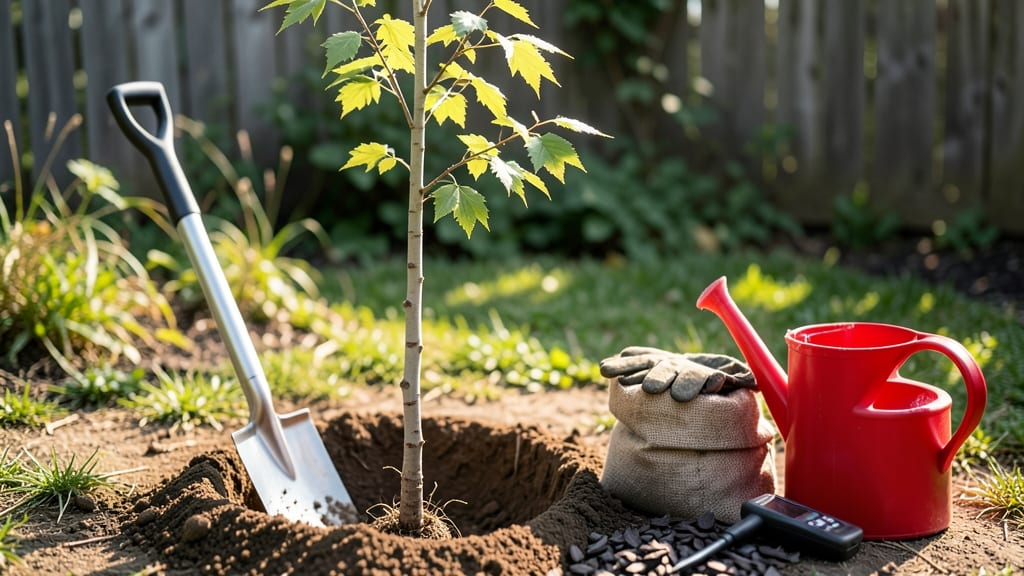
When is the best time to plant a tree in Indiana? Getting it right can mean the difference between a thriving shade provider and a struggling sapling that never makes it through winter. The key to success lies in understanding Indiana’s unique climate—where soil temperatures and frost dates dictate the perfect planting window.
Most gardeners assume spring is the only time to plant, but fall actually offers a critical advantage for root establishment before winter dormancy.
With Indiana’s 5b-6b hardiness zones, timing matters more than you might think—especially when dealing with young trees that need to establish deep roots before freezing temperatures arrive.
I’ve helped countless Indiana homeowners get their trees off to the right start, and there’s a simple trick to picking the best moment: aim for when soil temps hit 50-60°F and frost-free days stretch ahead.
Whether you’re planting in early spring or late fall, this guide will show you exactly when to dig—and how to prepare your soil for maximum success.
Ready to skip the guesswork? Let’s break down the ideal planting calendar, soil prep secrets, and pro tips to ensure your new tree grows strong for decades—no matter where you are in Indiana.
Indiana’s ideal tree planting windows by soil temperature and frost dates
Indiana’s USDA Hardiness Zones 5b-6b mean timing is critical—plant too early, and frost will damage tender roots; too late, and your tree won’t establish before winter. The best windows are early spring (March-April) and fall (October-November), when soil temperatures hover between 50-60°F and trees can grow before dormancy.
Northern Indiana (Zones 5b) has later last-frost dates (mid-April), while Southern Indiana (Zones 6b) averages 2-3 weeks earlier. Always check your local frost-free date—planting 4-6 weeks before ensures roots establish before cold snaps.
For example, sugar maples thrive when planted in April or October, but pine trees prefer fall planting for winter moisture.
Soil temperature is more important than calendar dates. Use a soil thermometer to confirm 50°F+—below that, roots struggle to grow.
In Northern Indiana, aim for April 15-May 1; in Southern Indiana, March 20-April 15 works better. Fall planting should finish by November 1 to allow 6-8 weeks of root growth before frost.
🌱
For container-grown trees, you have more flexibility—plant anytime soil isn’t frozen. But bare-root trees (like apple or cherry saplings) must go in during dormancy (late fall or early spring). Evergreens like arborvitae also prefer fall planting to establish roots before winter desiccation.
Pro tip: Mulch immediately after planting with 3-4 inches of wood chips to retain moisture and regulate soil temperature. In Northern Indiana, add extra mulch in late fall to insulate roots from freeze-thaw cycles. Southern Indiana gardeners can plant later into November since winters are milder.
If you miss the ideal windows, spring is always better than fall—summer heat stresses young trees. But fall planting gives roots a head start before summer’s next year. For large trees (e.g., oaks or maples), professional planting services ensure proper root ball handling and soil aeration.
🌳
Indiana’s microclimates matter—urban areas (like Indianapolis) stay warmer in winter, while rural zones (e.g., Northern Indiana’s Lake County) have colder snaps. Adjust your planting schedule 1-2 weeks earlier in cities.
Always check local weather forecasts for unusual frost dates, especially in transition months (May or September).
Finally, native trees
Indiana’s ideal tree planting windows by soil temperature and frost dates
Indiana’s USDA Hardiness Zones 5b-6b mean trees need precise timing to thrive—plant too early, and frost will damage tender roots; too late, and they won’t establish before winter. The best windows are early spring (March-April) and fall (October-November), when soil temps hover between 50-60°F.
Northern Indiana’s last frost date typically falls around mid-April, while Southern Indiana sees frost slightly later. Fall planting should wrap up by mid-October, giving roots time to harden before winter dormancy. These windows align with Indiana’s 165 frost-free days, maximizing growth potential.
🌱
For bare-root trees, spring planting gives roots time to establish before summer heat, while fall planting leverages cool temps for root growth without summer competition. Container-grown trees offer more flexibility but still benefit from these windows—just avoid planting when soil is frozen or waterlogged.
Indiana’s clay-heavy soils in the north and sandy loams in the south both need proper prep. Amend with compost or peat moss to improve drainage, especially for species like red oaks or sugar maples, which thrive in Indiana’s native conditions. Test soil pH (ideal: 6.0-7.0) before planting.
Pro tip: Use a soil thermometer to confirm temps—50°F+ means it’s safe to plant. For large trees, consider root tabs at planting to jumpstart growth during Indiana’s short growing season.
☀️