
Plants
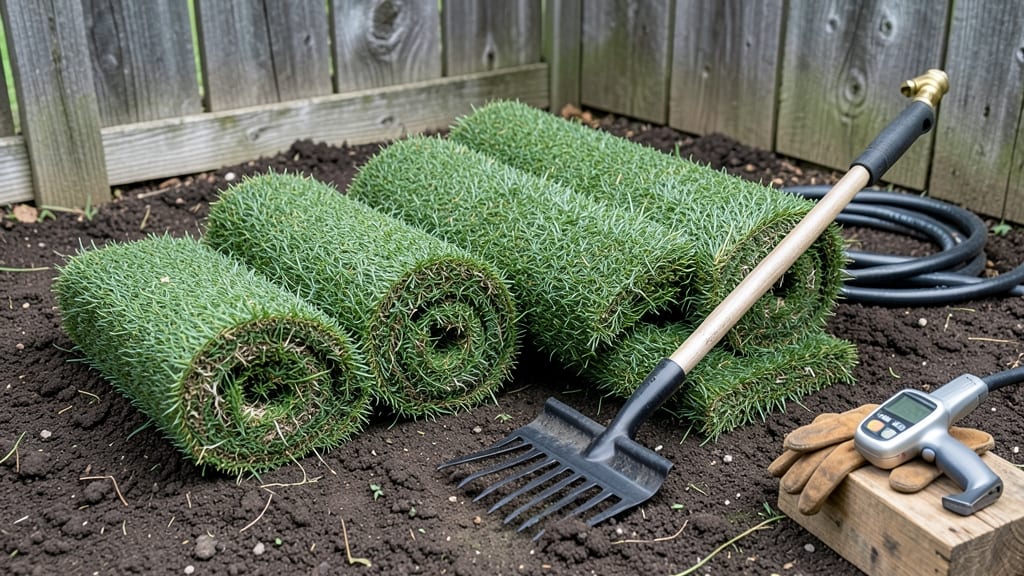
Best months to plant sod in Texas: cool season vs. warm season breakdown
Texas' diverse climate—from the chilly Panhandle to the steamy Rio Grande Valley—means there's no single "best" time to plant sod. The perfect window depends on whether you're installing cool-season or warm-season grass varieties.
Cool-season grasses like tall fescue and ryegrass thrive in milder temperatures, while warm-season types such as Bermuda and St. Augustine dominate in heat. Let's break down the ideal months for each zone.
For North Texas (USDA Zones 7b-8a), the sweet spot is late winter through early spring—think February to March. This gives sod time to establish roots before summer's brutal heat.
Meanwhile, Central Texas (Zones 8a-8b) can stretch planting into April, while South Texas (Zones 9a-10a) often sees success with fall planting (September-October) to avoid summer drought stress.
Here's the critical detail: sod needs 60°F to 75°F soil temperatures for optimal root growth. Planting too early in cold snaps or too late in scorching heat forces sod into survival mode—leading to slow establishment, weed invasion, or even death.
Texas' unpredictable weather adds another layer: a late frost in North Texas or an early heatwave in West Texas can derail even the best-laid plans.
🌱
Warm-season grasses like Bermuda and St. Augustine dominate Texas lawns because they handle heat better—but they still need the right timing. Planting Bermuda sod in May gives it a head start before summer's peak, while St. Augustine prefers the spring shoulder season (April-May) to avoid fungal issues from humidity.
The key is avoiding the dog days of summer (June-August), when sod struggles to root in 100°F+ temperatures.
Cool-season grasses like tall fescue are popular in North Texas because they stay green through winter. Plant them in late winter (February) to establish roots before spring's rapid growth phase. A common mistake?
Waiting until March—by then, the heat is already stressing new sod. For ryegrass, which germinates quickly, aim for early February to beat the rush of spring weeds.
Texas' fall planting window (September-October) is often overlooked but ideal for warm-season grasses. The soil stays warm, but air temperatures are milder—perfect for root growth. This is especially true in South Texas, where summer's oppressive heat makes spring planting risky.
Just watch for hurricane season, which can delay projects in coastal areas.
Pro tip: Check the 7-day soil temperature forecast before ordering sod. Websites like the Texas A&M AgriLife Extension provide free local data. If temperatures dip below 55°F at night, delay planting until conditions stabilize. Similarly, if daytime highs exceed 90°F for more than a week, sod will struggle to survive.
For West Texas, where water is scarce, consider drought-tolerant varieties like Buffalo Grass or drought-resistant Bermuda. These can be planted as late as early October to avoid summer's extreme heat. Pair this with deep watering techniques to maximize root depth before winter dormancy sets in.
🌿
Texas-specific sod planting timeline: month-by-month guide for fast establishment
Timing your sod installation to Texas' unpredictable weather is key—miss the window, and you risk drought stress or fungal growth. My month-by-month guide breaks down the critical steps for fast root establishment and thick grass coverage, tailored to Texas' North, Central, and South regions.
Start with soil prep in late winter (February for North Texas, January for South Texas). Test your soil's pH (6.0-7.0 ideal) and amend with compost or lime if needed. Level the ground and remove rocks or debris—this ensures even water absorption and root contact.
For cool-season grasses (like tall fescue), aim to plant in September-October—this gives roots time to establish before winter dormancy.
In North Texas, where frosts are common, late October is your last chance. Warm-season grasses (Bermuda, St. Augustine) thrive when planted in late spring (April-May) after soil warms to 70°F+.
After laying sod, water immediately—this removes air pockets and kickstarts root growth. Use a sprinkler system or hose to deliver 1 inch of water daily for the first 2 weeks.
Shift to every 2-3 days once roots establish (test by pulling a corner—if it resists, you're good!). Morning watering (6-10 AM) prevents fungal diseases like brown patch, common in Texas' humid summers.
By June, your sod should be fully established, but reduce watering to 1 inch per week to encourage deep roots.
In fall, apply a light fertilizer (10-10-10) to strengthen roots before winter. South Texas gardeners can extend planting into early December for cool-season grasses, but avoid summer heat—temps above 90°F stress sod and invite weeds.
Pro tip: Use a soil thermometer to check temperatures—60°F-75°F is ideal for planting. If your soil runs hotter (common in West Texas), opt for drought-resistant varieties like Buffalo grass or Zoysia, which tolerate heat and drought better than traditional sod.