
Plants
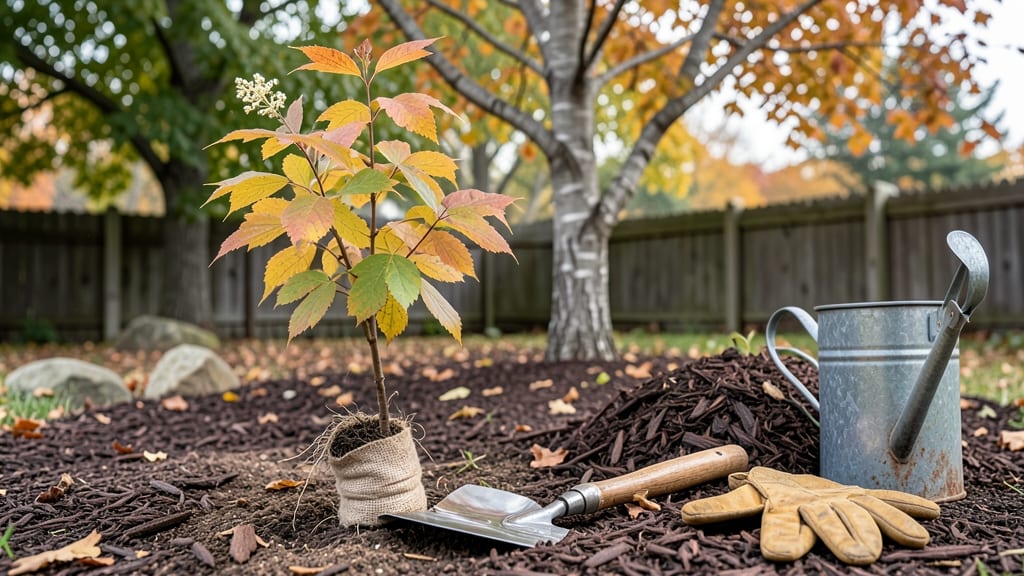
Planting a dogwood tree 🌳 in fall isn’t just about beating the first frost—it’s about giving your tree the perfect chill-hour head start for next spring’s showstopping blooms.
The ideal window? October to November, when soil stays warm enough for roots to settle but days grow cool enough to trigger dormancy.
Most gardeners think fall planting is a one-size-fits-all strategy, but dogwoods are pickier—they need 4-6 weeks before frost to establish roots without welcoming winter’s harsh freeze.
In USDA Zone 6a, where I live, that means planting by mid-November at the latest, but timing shifts dramatically if you’re in warmer climates like Zone 7 or colder ones like Zone 5.
Here’s the game-changer: matching your dogwood variety to your region’s chill hours. A ‘Cherokee Brave’ needs 300-600 hours below 45°F to bloom spectacularly, while ‘White Cloud’ thrives with 600-900 hours.
Plant at the wrong time, and you risk stunted growth or disappointing flowers—so let’s break down exactly when to dig in for your specific zone and variety.
Beyond the calendar, we’ll cover soil prep secrets, post-planting care, and how to avoid critical mistakes that derail even the most well-timed fall planting. Ready to set your dogwood up for a stunning spring? Let’s get started.
Optimal fall planting windows by USDA Zone and chill-hour requirements
Fall planting for dogwood trees isn’t a one-size-fits-all approach—it’s all about chill hours and soil temperatures. Different varieties need specific cold exposure to trigger spring blooms, so timing depends on your USDA Zone and the dogwood type you’ve chosen.
For example, 'Cherokee Brave' thrives in Zones 5-8 with 400-600 chill hours, while 'Flame' prefers Zones 6-9 with 300-500 hours. Plant too early, and roots may not establish before freeze; too late, and the tree struggles to adapt before dormancy.
In northern climates (Zones 4-6), aim to plant dogwoods 6-8 weeks before the first frost, typically in mid-to-late October. The goal is to give roots 4-6 weeks of warm soil (above 50°F) before temperatures drop.
Southern regions (Zones 7-9) have more flexibility, with September-October being ideal, as milder winters reduce frost risk. Always check your local last frost date—planting too close to winter can leave young roots vulnerable to freeze-thaw cycles.
Here’s the key: soil temperature matters more than air temperature. Dogwood roots need consistent warmth (50-65°F) for 4-6 weeks post-planting to establish. Use a soil thermometer to confirm—if temps dip below 40°F, roots go dormant prematurely.
In Zone 5, for instance, planting in early October gives roots just enough time to settle before winter, while Zone 8 gardeners can plant as late as November.
Variety selection ties directly to chill hours. 'White Cloud' dogwoods, for example, need 500-700 chill hours, making them better suited for Zones 5-7. If you’re in Zone 9, opt for 'Purple Smoke', which thrives with 200-400 chill hours.
Mismatch the variety to your zone, and you risk poor flowering or even tree death—dogwoods won’t bloom without the right cold exposure.
Pro tip: Container-grown dogwoods can handle fall planting slightly later than bare-root varieties. Their established root systems adapt faster, but still avoid planting when soil temps drop below 50°F.
For bare-root trees, plant as soon as possible after purchase—roots dry out quickly, and replanting stress reduces survival rates. Always soak roots in water for 1-2 hours before planting to revive them.
Regional nuances matter. In the Pacific Northwest (Zone 7-8), where winters are wet but mild, October planting is ideal. In the Southeast (Zone 8-9), September is better to avoid summer heat stress.
Even within a zone, microclimates play a role—urban areas may stay warmer longer than rural spots, delaying frost. When in doubt, consult your local cooperative extension service for hyper-local advice.
Don’t overlook moisture management during fall planting. Dogwoods need consistent soil moisture but hate soggy roots. After planting, mulch heavily (3-4 inches) with organic matter to retain moisture and insulate roots.
In drought-prone areas, water deeply once a week until the ground freezes. Overwatering in late fall can lead to root rot before dormancy sets in.
Here’s a quick rule of thumb: If your dogwood’s tags list chill hours between 300-500, plant in late September-October (Zones 6-9). For 500-700 chill hours, stick to mid-October (Zones 4-7).
This ensures roots establish before the tree enters dormancy. Miss this window, and you might see stunted growth or delayed blooming next spring.
Finally, avoid planting dogwoods in fall if your soil is frozen or waterlogged. Compacted or icy soil restricts root growth, and waterlogged conditions invite fungal diseases like root rot. Amend heavy clay soil with compost or sand before planting to improve drainage.
In sandy soils, add peat moss to retain moisture. The right soil prep makes all the difference in fall success.