
Trees
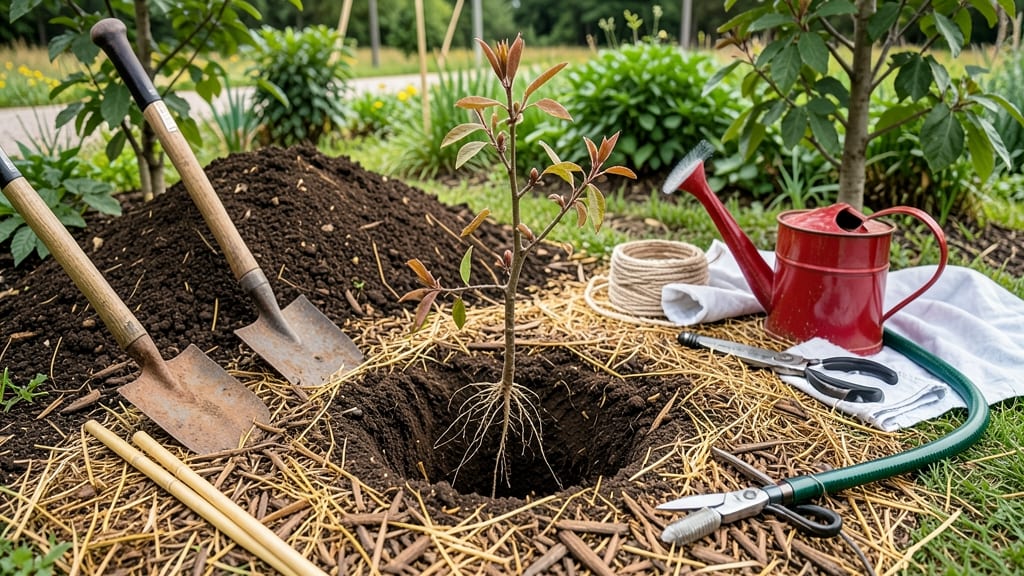
Planting fruit trees in Texas at the wrong time can mean the difference between a thriving orchard and a sad, struggling sapling.
The best window isn’t just about the calendar—it’s about matching your variety to Texas’ unique chill-hour zones, where peaches need 500+ hours of winter chill while citrus thrives with almost none.
I’ve seen firsthand how a misjudged planting date can leave trees vulnerable to late frosts or scorching summer heat. But when you time it right—typically in late winter to early spring—your fruit trees get the strong root start they need before the Texas sun or cold sets in.
Whether you’re in North Texas with its crisp winters or South Texas’ mild climate, the key is understanding your region’s frost patterns and choosing varieties that sync with them. Let me walk you through exactly when to plant for stronger roots, fewer failures, and the sweetest harvests.
From peaches to plums, we’ll cover the optimal months for each type, plus pro tips to give your trees the best possible head start. Ready to set your orchard up for success?
Texas fruit tree planting windows by chill-hour zones (north vs. south)
Texas spans three distinct chill-hour zones, each dictating the best time to plant fruit trees.
North Texas (500+ chill hours) thrives with peaches and apples planted in late winter, while South Texas (300 or fewer chill hours) favors citrus and figs planted in early spring.
Central Texas (300-500 chill hours) bridges the gap with varieties like plums and pears, planted in February or March.
Understanding your zone prevents frost damage or heat stress. For example, peach trees in North Texas need 600+ chill hours—planting too late risks insufficient dormancy. Meanwhile, citrus trees in South Texas can’t handle freezing temps, so spring planting ensures roots establish before summer heat.
Here’s how to match your fruit tree variety to Texas’ chill-hour zones for optimal survival:
For North Texas gardeners, prioritize bare-root trees in February to allow roots to establish before spring blooms. In Central Texas, container-grown trees planted in March adapt better to clay soils. South Texas’ citrus trees should go in March to avoid summer heatwaves.
Pro tip: Use a soil thermometer—ideal planting soil temps are 60–70°F. In North Texas, wait until ground temps rise above 50°F to plant stone fruits like peaches. In South Texas, citrus roots thrive in 70°F+ soil, so April planting is safer.
Texas’ last frost dates vary wildly: North Texas averages March 15, while South Texas sees February 15. Plant 4–6 weeks before your area’s last frost to give roots time to anchor deeply before spring growth begins.
Evergreen citrus trees in South Texas can handle light frosts if established, but young trees need frost cloth if temps drop below 28°F. In North Texas, apple trees planted too late may bloom early, risking frost damage to flowers. Always check local frost maps before planting.
Container planting extends your planting window. Potted fruit trees can go in 1–2 months later than bare-root trees, as their root balls establish faster. This is especially useful in South Texas, where summer heat limits outdoor planting.
Remember: Root development is the goal. A well-established root system before summer heat or winter cold means healthier trees and better fruit yields in years to come. 🌳
Best fruit tree varieties for Texas and their ideal planting times
Texas' diverse climate means not all fruit trees thrive equally. Chill-hour requirements dictate your planting window—North Texas' 500+ hours supports peaches, while South Texas' sub-300 hours favors citrus.
I’ve curated top-performing varieties matched to Texas regions, complete with planting month windows to ensure root establishment before extreme heat or cold.
For North Texas gardeners (USDA Zones 7-8), prioritize varieties like 'Earlibelle' peach (600 chill hours) or 'Laredo' pear (400 chill hours). These trees need cool dormancy and should go in the ground from November to early March—before spring heat spikes.
In Central Texas (Zones 8-9), opt for 'Sugar Belle' muscadine grapes (300 chill hours) or 'Tropic Sweet' orange, planting between January and February.
South Texas (Zones 9-11) escapes frost entirely, so citrus and figs dominate. Plant 'Meyer lemon' trees or 'Celeste' figs from September to November, when summer heat has subsided. These varieties hate cold snaps, so avoid winter planting—even in South Texas, unexpected frosts can occur.
When selecting varieties, always check local nursery recommendations—microclimates can shift chill hours by 50–100 hours.
For example, Hill Country may support 'Redhaven' peaches (500 chill hours), while Houston should stick to 'Sugar Belle' grapes. Container planting extends options: dwarf citrus can thrive in pots, even in North Texas, if brought indoors during winter.
Pro tip: <