
Plants
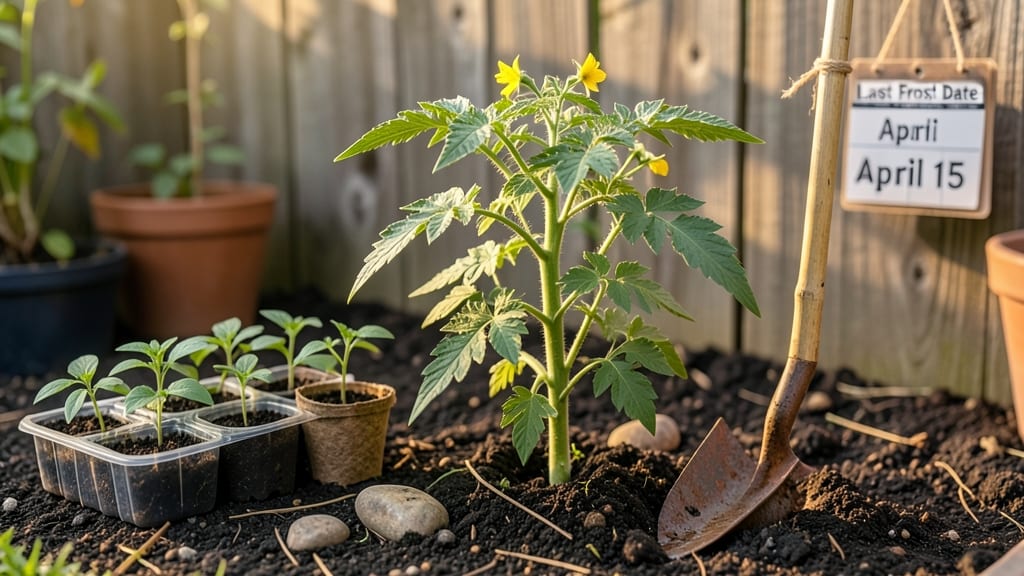
Planting tomatoes in Pennsylvania at the wrong time means risking your entire crop to late frosts—or worse, missing out on that first juicy, vine-ripened 🍅 of the season.
The key to success lies in knowing your zone’s last frost date and adjusting your schedule accordingly, whether you’re starting seeds indoors or sowing directly into the garden.
In zones 6a-7a, where most of Pennsylvania falls, the window to plant tomatoes opens around April 15 and closes by May 15, but timing varies by region.
Philadelphia’s urban heat islands might give you a few extra days, while rural areas near the state’s northern border demand extra caution. Get it wrong, and you’ll either be scrambling to protect tender seedlings or watching your plants bolt before they fruit.
I’ve learned the hard way that soil temperature matters just as much as air temperature—waiting until the ground hits 60°F and nighttime stays above 50°F is non-negotiable. That’s when you’ll see the fastest, healthiest growth and the most reliable harvests from July through October.
Let’s break down the exact steps to nail your planting schedule, no guesswork involved.
From seed-starting indoors in early March to transplanting hardened-off seedlings after the last frost, this guide covers every critical stage. You’ll also discover how to stretch your growing season with row covers and mulch, ensuring your tomatoes thrive even when Pennsylvania’s unpredictable weather throws curveballs.
Ready to grow like a local pro?
Pennsylvania’s tomato planting zones: last frost dates by region
Pennsylvania’s diverse climate—from USDA zones 5a to 7a—means your tomato planting window depends heavily on where you live. The last spring frost typically arrives between mid-April and early May, but urban areas like Philadelphia often warm up faster than rural spots in the Poconos.
For zero-frost survival, aim to plant after May 1 in most regions, but adjust based on your microclimate.
City gardens in Pittsburgh or Harrisburg may be frost-free by April 20, while mountain valleys like Scranton can wait until May 10.
Check Penn State Extension’s frost maps for your exact location—these tools account for urban heat islands and elevation shifts that can delay or advance frost dates by weeks.
Here’s how to match your tomato variety to Pennsylvania’s planting zones for maximum success:
| Region | USDA Zone | Last Frost Date | Planting Window | Notes |
|---|---|---|---|---|
| Philadelphia | 7a | April 20-May 1 | April 25-May 10 | Urban heat speeds up soil warming |
| Pittsburgh | 6b | April 25-May 5 | May 1-May 15 | River valleys warm faster |
| Harrisburg | 6b-7a | April 22-May 3 | April 28-May 12 | Sandy soil dries quickly |
| Poconos (Scranton) | 5b | May 5-May 15 | May 15-June 1 | Elevation delays warmth |
| Erie | 6a | May 1-May 10 | May 10-May 25 | Lake-effect moderates temps |
For northern PA gardeners, consider early-maturing varieties like ‘Early Girl’ (55 days) or ‘Stupice’ (50 days) to beat the clock.
In southern PA, you can afford larger varieties like ‘Brandywine’ (80 days) or ‘Cherokee Purple’ (85 days), but plant them by May 15 to avoid summer heat stress.
Pro tip: Use row covers or black plastic mulch to warm soil faster in cooler zones. This can shave 1-2 weeks off your planting timeline by raising soil temps to
Step-by-step tomato planting timeline for Pennsylvania’s climate
Timing your tomato planting in Pennsylvania isn’t just about avoiding frost—it’s about matching each growth stage to your region’s temperature thresholds. Start seeds indoors 6-8 weeks before your last frost date, which for most of PA falls between March 15 and April 15.
This means late February to early April for most gardeners.
Use grow lights or a sunny windowsill to keep seedlings strong until they’re ready for transplanting. Seedlings need 12-16 hours of light daily to prevent leggy growth.
If your last frost date is April 15, aim to transplant outdoors by May 1—but wait until nighttime temps stay above 50°F.
⚠️ CRITICAL: Use row covers or cold frames if planting early. A sudden frost can kill tender seedlings in 24 hours. Even in Zone 7a, late April can still bring freezing temps, especially in rural areas.
🌱 Pennsylvania Tomato Planting Timeline
- Late February–Early April: Start seeds indoors under grow lights (6-8 weeks before last frost).
- Mid-April: Harden off seedlings (acclimate to outdoor temps for 7-10 days).
- Early May (after last frost): Transplant outdoors when soil is 60°F+ and nights are 50°F+.
- May–June: Use mulch or row covers if temps dip below 55°F at night.
- July–October: Harvest tomatoes when fully colored and slightly soft to the touch.
For early varieties (like ‘Stupice’ or ‘Mountain Merit’), you can plant seeds directly outdoors 2-3 weeks after your last frost date. These cold-tolerant types handle 50°F soil temps better than standard varieties.
If you’re in Zone 6a, like in the Poconos, wait until May 10 to avoid frost risk.
Pro tip: Use black plastic mulch to warm soil faster and extend the season. It also suppresses weeds and keeps moisture consistent. Pair this with drip irrigation to avoid overhead watering, which spreads disease in PA’s humid summers.
If you miss the spring window, don’t despair—succession planting in early June can still yield a fall harvest. Just choose determinate varieties (like ‘Roma’) that ripen faster. These plants mature in 60-70 days, giving you time to harvest before the first frost in mid-October.