
Plants
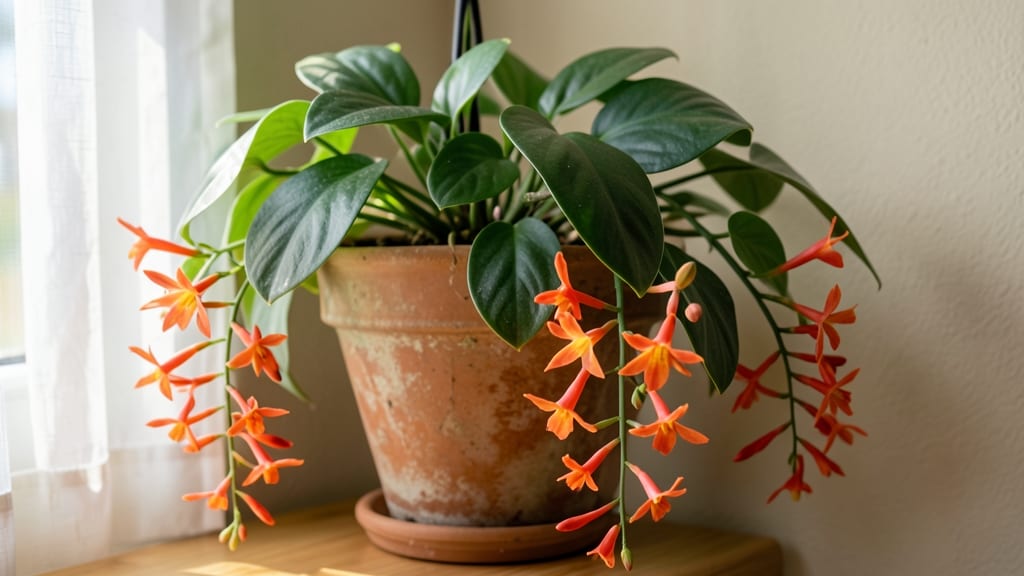
Want to know how much light does a goldfish plant need to stay vibrant and full of life? The right amount is the game-changer—too little and it fades, too much and it burns.
I’ve seen this plant go from droopy to stunning just by tweaking its light exposure, and I’ll show you exactly how to get it right.
Most people assume these plants thrive in any corner, but that’s where they go wrong. Your Goldfish Plant craves bright indirect light, like a sunbathing spot near an east-facing window where the morning glow is gentle but consistent.
This is the sweet spot for keeping those colorful leaves popping without risking damage.
If you’ve noticed pale leaves or leggy growth, your plant might be begging for more light. On the flip side, crispy edges or brown patches? That’s a sign it’s getting too much direct sun.
I’ll walk you through how to spot these clues and adjust your plant’s home to keep it thriving year-round.
Ready to unlock the secret to lush, healthy foliage? Let’s dive into the perfect lighting setup for your Goldfish Plant—so you can enjoy its beauty without the guesswork.

Ideal light requirements for goldfish plant growth and health
The goldfish plant (Columnea microphylla) thrives in bright indirect light, making it perfect for homes with natural light but no harsh afternoon sun. This delicate plant originates from tropical regions, where dappled sunlight filters through canopies.
Without the right light, you’ll notice pale leaves or stretched growth, while too much direct sun causes brown leaf tips. The key is mimicking its natural habitat—think east-facing windows or 2-3 feet from a north window.
Your goldfish plant needs 4-6 hours of bright indirect light daily. This means placing it where sunlight gently illuminates the leaves without scorching them. For example, a spot near a sheer curtain on an east-facing window provides ideal morning light while diffusing the intensity.
Avoid south- or west-facing windows, where direct afternoon sun can cause irreversible damage. If your home lacks natural light, supplement with a grow light (12-14 hours/day) to prevent leggy growth.
Seasonal adjustments are crucial. During winter months, when daylight is shorter, move your plant closer to a window or increase grow light exposure. Conversely, in summer, filter light with a sheer curtain if you notice yellowing leaves or crispy edges. The goal is consistency—your goldfish plant will reward you with vibrant variegation and compact growth when light conditions are just right.
Goldfish Plant Light Requirements
| Requirement | Specification |
|---|---|
| Light Type | Bright Indirect |
| Daily Duration | 4-6 Hours |
| Best Window | East-Facing |
| Distance from Window | 1-3 Feet |
| Avoid | Direct Sun, Low Light |
| Seasonal Adjustments | Increase Light in Winter |
Vibrant foliage thrives in bright indirect light
If you’re unsure whether your spot is too bright or too dim, observe your plant’s leaf color and growth pattern. Healthy goldfish plants have deep green leaves with creamy variegation and compact, bushy stems.
When light is insufficient, leaves lose their variegation and turn solid green, while stems stretch toward the light (etiolation). On the other hand, brown patches or dry, crispy edges signal too much direct sun. Rotate your plant quarter-turns weekly to ensure even growth and prevent lopsided exposure.
For low-light conditions, consider placing your goldfish plant on a reflective surface like a white shelf or near a mirror to bounce light onto the leaves. Alternatively, use a full-spectrum LED grow light (12-14 inches above the plant) for 12-14 hours daily.
Avoid cheap cool-white LEDs, which can cause blue-tinted leaves—opt for daylight spectrum bulbs instead. Remember, consistency is key; sudden changes in light can stress your plant, leading to leaf drop or stunted growth.
Pro tip: Test your spot’s light intensity by placing a white piece of paper near your plant. If the shadow is soft and diffused, it’s likely the perfect bright indirect light environment.
If the shadow is sharp and dark, direct sun is present—move your plant further back or add a sheer curtain. This simple trick saves you from guessing and helps you provide the ideal growing conditions your goldfish plant craves.
In summer months, when sunlight is most intense, watch for signs of heat stress, such as drooping leaves or yellowing. Increase humidity around your plant by misting leaves or placing the pot on a pebble tray filled with water.
This mimics the humid, shaded environments where goldfish plants naturally grow. Pair this with regular watering (allowing the top inch of soil to dry between waterings) to keep your plant thriving even during peak sunlight hours.
Finally, remember that variegated leaves need slightly more light than solid green leaves to maintain their creamy patterns. If your goldfish plant’s variegation fades, it’s a clear sign to increase light exposure gradually.
Start by moving it 1-2 inches closer to the window each week until you see the variegation return. Patience and observation are your best tools—your goldfish plant will thank you with lush, vibrant growth that brightens any room.
🌿
Ideal light requirements for goldfish plant growth and health
The goldfish plant (Columnea microphylla) thrives in bright indirect light, mimicking its natural understory habitat. Without the right conditions, its stunning variegated leaves lose their vibrancy, and growth slows dramatically. Think of it like a sunbathing enthusiast—it craves light but gets sunburned in harsh rays.
Your goal is to provide 4-6 hours of filtered sunlight daily, ideally from an east-facing window. This balance prevents yellowing leaves (light deficiency) or brown crispy patches (light burn). Even south-facing windows work if you use a sheer curtain to diffuse intensity.
Goldfish Plant Light Requirements
| Requirement | Specification |
|---|---|
| Light Type | Bright Indirect |
| Daily Duration | 4-6 Hours |
| Intensity Level | 50% Sunlight |
| Best Window | East-Facing |
| Avoid | Direct Sun |
Seasonal shifts demand adjustments—your goldfish plant may need supplemental grow lights during winter's shorter days. Position lights 12-18 inches above the plant for 12-14 hours daily to maintain its energy. Rotate the pot weekly to ensure even growth, preventing lopsided foliage that spoils its fish-shaped leaves.
Notice how leaf variegation fades when light drops below 3 hours daily? The plant prioritizes survival over color, producing solid green leaves.
For maximum vibrancy, aim for 6 hours of bright indirect light—this is where the magic happens for those pink and green patterns that make it so eye-catching.
Pro tip: Rotate your plant quarter-turn weekly to prevent it from leaning toward the light source. This simple habit ensures balanced growth and keeps those goldfish-shaped leaves facing outward for maximum visual impact. Even distribution of light prevents stretched stems and maintains compact, bushy growth.
If you're unsure about your space's light quality, perform a shadow test: Place a white sheet on the floor where your plant would sit. After an hour, check for sharp shadows (direct sun) or faint outlines (indirect light).
Adjust placement accordingly—your goldfish plant will reward you with lush, healthy foliage that's the envy of every plant lover. 🌿