
Plants
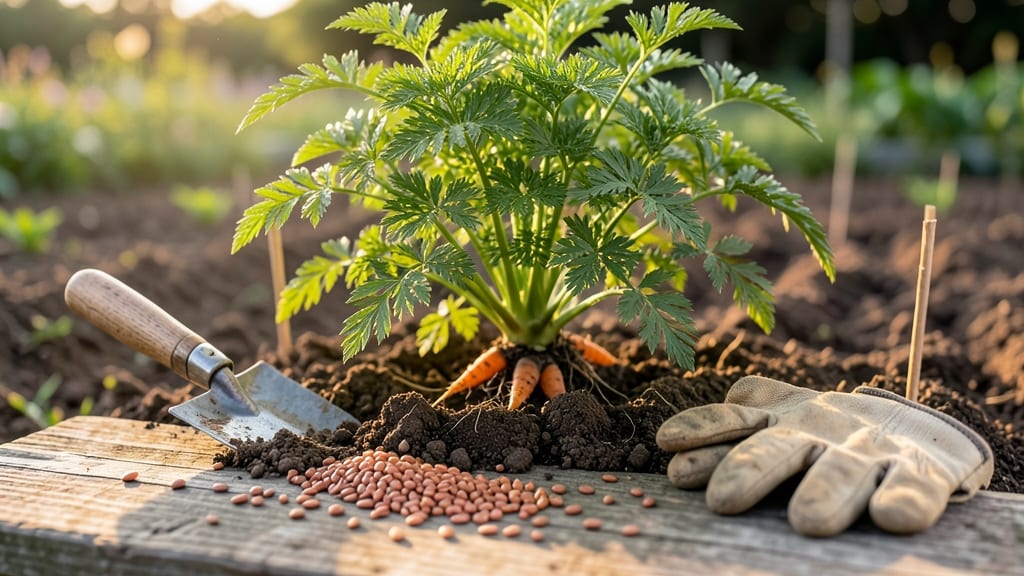
Best planting times for carrots in Georgia by season (soil temp guide)
Georgia’s USDA zones 7a–8b offer two prime windows for growing crisp, sweet carrots: early spring and late summer. Unlike northern climates, you can avoid summer planting entirely—but with the right tricks, you can squeeze in a third harvest if you’re patient.
The secret? Soil temperature and frost dates that vary by region (coastal vs. Piedmont).
Carrot seeds won’t germinate until soil reaches 50°F, but ideal conditions hover between 55–75°F. In Georgia, this means February–March for spring and August–September for fall. Planting too early risks rot from lingering cold, while late starts lead to woody, bitter roots as temperatures climb above 80°F.
Here’s how to align your planting with Georgia’s microclimates. Coastal areas (like Savannah) can start 2–3 weeks earlier than inland zones (Athens, Atlanta), thanks to milder winters. Use these soil temp thresholds as your guide:
For spring planting, aim for 6–8 weeks before your last frost date. In most of Georgia, this lands in late February. Use a soil thermometer to confirm—seeds won’t sprout below 50°F, even if air temps are warmer.
Pro tip: Cover seeds with row fabric if nights dip below 40°F to speed germination.
Fall is your safest bet for Georgia gardens. Start seeds 8–10 weeks before first frost (typically by mid-August). This gives roots time to mature before November’s chill. If you’re in Zone 8b (southern GA), you can push planting to early October for a late-winter harvest.
Summer planting is possible but challenging. Carrots hate heat above 80°F, which causes them to bolt (flower) or develop hard, fibrous roots. If you’re determined, try shade cloth (30–50%) and plant short-day varieties like ‘Paris Market’ in late July. Expect slower growth and smaller yields.
Succession planting every 2 weeks in spring/fall ensures a continuous harvest. For example, sow a batch in late February, another in mid-March, and one more in early April. This staggering keeps your kitchen stocked from May through November.
One Georgia-specific trick: Plant near radishes. Radishes germinate faster and mark carrot rows, while their shallow roots loosen soil for deeper carrots. Plus, radishes are ready to harvest in 3–4 weeks, giving carrots more space to grow.
Always test your soil before planting—Georgia’s clay-heavy soils need amendments like compost or sand to prevent forked roots. Aim for a pH of 6.0–7.0 and loose, rock-free soil. If your garden has high stone content, grow short varieties like ‘Little Finger’ or ‘Short ‘n’ Sweet’.
🌱
How to extend carrot growing season in Georgia’s heat (shade & mulch hacks)
Georgia’s summer heat can turn your dreamy carrot crop into tough, stringy sticks—but don’t let the 90°F+ temperatures derail your harvest. The key is strategic timing and heat management to keep roots crisp and sweet.
I’ve grown carrots in Zone 8a for years, and these tricks have kept my garden productive even in July’s sweltering afternoons.
First, focus on late summer/early fall plantings (August–September) when soil stays warm but air cools slightly. Use shade cloth (30–50%) to block intense afternoon sun, which can scorch young seedlings.
For succession planting, sow seeds every 2–3 weeks until mid-October to stagger harvests and avoid bolting (when plants flower prematurely).
Mulching is your secret weapon against heat stress. Apply 2–3 inches of straw or wood chips to retain moisture and cool soil temperatures by 10–15°F. For containers, use black plastic mulch to absorb heat and speed up germination in early spring or late fall.
Pair this with drip irrigation (set to run early morning) to avoid wetting foliage, which invites fungal diseases like Alternaria leaf spot—a common issue in Georgia’s humidity.
If you’re planting in spring, opt for early-maturing varieties (like ‘Paris Market’) and use row covers for the first 2–3 weeks to protect seedlings from late frosts (which can still hit north Georgia in April).
For fall crops, aim to harvest before November 15 (average first frost date), but use cold frames to extend the season by 4–6 weeks. My personal record? Crisp ‘Nantes’ carrots harvested in mid-December under a simple hoop house!
Pro tip: Soak seeds overnight before planting in hot soil to jumpstart germination. The 50–75°F soil temperature range is ideal—any hotter, and seeds may fail to sprout. Use a soil thermometer (only $10!) to check before planting.
And remember: thin seedlings to 2–3 inches apart—crowded carrots compete for water and nutrients, making them more prone to bolt in heat.
With these adjustments, you can grow two full harvests in Georgia: one in early summer (April–June) and another in fall (September–November). The trick is balancing heat tolerance, soil moisture, and shade—your carrots will thank you with sweet, straight roots all season long. 🌱