
Plants
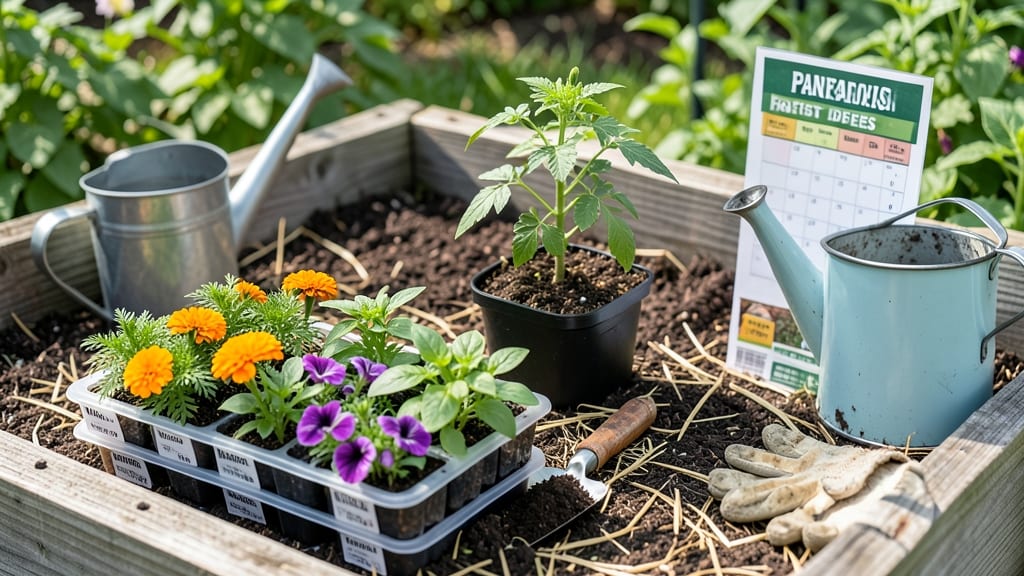
When to plant annuals in Pennsylvania the right way means the difference between a garden bursting with 🌸 vibrant blooms and one that barely survives the first frost. Plant too early, and a late spring freeze will wipe out your hard work; too late, and you’ll miss the growing season entirely.
With USDA zones 6a-7a and frost dates that can shift from mid-April to early May, knowing the exact window to plant is the key to success. I’ve tested the best strategies over years of gardening here, and what works for Pittsburgh won’t always fit Philadelphia’s microclimate.
In this guide, you’ll discover the precise planting calendar for both warm-season and cool-season annuals, plus how to adjust for Pennsylvania’s unpredictable weather. Whether you’re dreaming of petunias or tomatoes, I’ll help you avoid common mistakes and maximize your garden’s potential.
Ready to transform your yard into a year-round showstopper? Let’s dive into the step-by-step schedule that’ll keep your annuals thriving from spring through fall—no guesswork required.
Pennsylvania planting zones & frost dates: your annual planting timeline
Pennsylvania spans USDA zones 5-7, meaning frost dates vary dramatically from the Poconos (zone 5) to Philadelphia (zone 7). Knowing your exact last frost date is critical—planting too early risks frost damage, while waiting too long cuts your blooming season short.
Most of Pennsylvania experiences its average last frost between April 15 and May 15, but microclimates (like urban heat islands or valley bottoms) can shift this by 1-3 weeks.
For example, Erie (zone 6b) typically sees frost-free soil by April 20, while Pittsburgh (zone 6a) waits until May 5 on average.
Use free resources like the Old Farmer’s Almanac or NOAA’s frost maps to pinpoint your local date. Pro tip: Check weekly forecasts in late April—some years, frost lingers until May 15 even in zone 7 areas.
📅 Key Dates by Region: - Philadelphia (Zone 7a): Last frost April 15, first frost October 28 - Pittsburgh (Zone 6a): Last frost May 5, first frost October 15 - Harrisburg (Zone 6b): Last frost April 25, first frost October 20 - Erie (Zone 6b): Last frost April 20, first frost October 10
📋 Pennsylvania Annual Planting Timeline
| Zone | Last Frost | First Frost | Safe Planting Window | Frost-Free Days |
|---|---|---|---|---|
| Zone 5 (Poconos) | May 15 | October 10 | Late May - Early Aug | 140 |
| Zone 6a (Pittsburgh) | May 5 | October 15 | Late April - Mid-Aug | 155 |
| Zone 6b (Harrisburg) | April 25 | October 20 | Early May - Late July | 160 |
| Zone 7a (Philadelphia) | April 15 | October 28 | Mid-April - Mid-Sept | 170 |
For warm-season annuals (tomatoes, peppers, marigolds), wait until soil reaches 60°F—use a soil thermometer to confirm. In cooler zones (like the Poconos), consider black plastic mulch to warm soil faster.
Cool-season annuals (like pansies or lettuce) can handle light frosts (28°F) and should be planted 4-6 weeks before your last frost date. For example, in Philadelphia (zone 7a), start cool-season crops by March 15.
Remember: Frost dates shift yearly. If you’re risk-averse, use frost cloth or plant hardy varieties (like stock or snapdragons) 2 weeks early. For maximum blooms, prioritize heat-loving annuals after May 15 in most of PA.
🌱 Pro Tip: Bookmark the Penn State Extension’s frost calendar—it updates annually with real-time data.
Best annual flowers & vegetables to plant by month in Pennsylvania
Pennsylvania’s growing season offers two prime windows for planting annuals: spring (after last frost) and late summer (for fall blooms). Timing matters—warm-season plants like tomatoes and marigolds need soil at 60°F+, while cool-season varieties like pansies can handle 40°F soil.
Below, I’ll break down the best annuals to plant each month, plus pro tips to maximize your garden’s potential.
For March, only hardy annuals like snap peas or lettuce survive PA’s chilly soil. Start seeds indoors for warm-season plants like petunias or basil—they’ll need 6-8 weeks to harden off before transplanting.
If you’re impatient, use row covers to protect early plantings from late frosts (April 15–May 1 is risky!).
April is your cool-season power month. Plant spinach, radishes, and calendula directly into the soil as soon as it’s workable. Wait until late April for warm-season starts like zucchini or geraniums, but keep frost cloth handy. Pro tip: Test soil temps with a soil thermometer—50°F is the magic number for cool crops.
- 🌱 March: Start indoor seeds (tomatoes, peppers) or sow hardy annuals (snap peas, arugula) under row covers.
- 🌿 April: Direct-sow cool-season crops (lettuce, pansies) after last frost. Transplant warm-season starts (marigolds, basil) late April.
- ☀️ May: Plant heat-lovers (petunias, sunflowers) and vegetables (cucumbers, beans) once soil hits 60°F.
- 🌞 June: Succession plant fast growers (bush beans, zinnias) every 2 weeks for continuous blooms.
- 🌻 July: Start fall annuals (cosmos, kale) for September–October color. Avoid planting warm-season crops.
- 🍂 August: Extend season with shade-loving annuals (impatiens, sweet potatoes) in partial shade.
June kicks off peak planting season in PA. This is your chance to succession plant fast growers like bush beans or radishes every 2 weeks for nonstop harvests. For flowers, zinnias and cosmos thrive in the heat, while geraniums and lantana handle drought like champs.
Mulch heavily to retain moisture—PA summers can dry out soil in days.
Don’t overlook late summer (July–August) for fall-blooming annuals. Plant cosmos, asters, or kale now for September–October color. Use black plastic mulch to warm soil for warm-season holdsovers like sweet potatoes.
And if you’re brave, try tender annuals (e.g., impatiens) in partial shade to beat the heat.
For September, shift to cool-season annuals like pansies or stock. These toughies handle light frosts and even brighten winter landscapes. If you missed the boat, container gardening lets you grow herbs (basil, cilantro) or flowers (calendula) on patios until first frost.
Just move pots indoors before 25°F!