
Planting
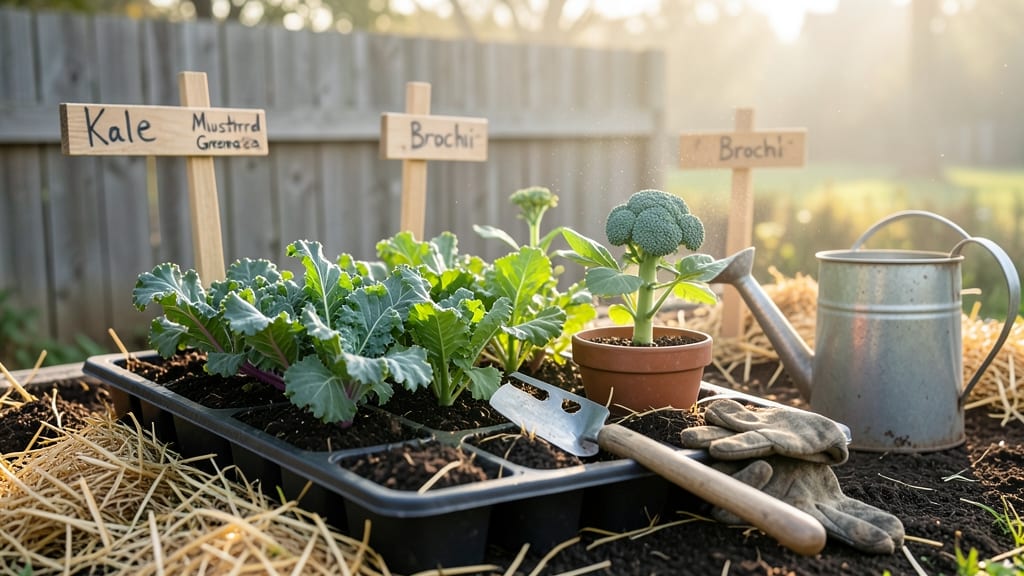
Planting your fall garden vegetables 🥬 in Central Texas isn’t just about throwing seeds in the dirt—it’s about beating the heat and dodging early frost. The wrong timing means either wilting leaves or frozen harvests, and with Heat Zone 8a’s unpredictable swings, you need a strategy that works.
Here’s the secret: Most gardeners wait too late, but the ideal window actually starts in mid-August—when soil temps drop just enough to help seeds germinate without smothering them. By early October, you’re racing against frost, so knowing your microclimate (Hill Country vs. urban areas) makes all the difference.
In this guide, I’ll break down the exact deadlines for your favorite crops, from frost-resistant kale to heat-loving pumpkins, plus pro tips to stretch your harvest well into December. No more guessing—just a foolproof plan for Central Texas’s zero-frost success.
Ready to turn your garden into a fall bounty? Let’s get those seeds in the ground at the perfect moment—before the first chill hits.
Central Texas fall planting deadlines by heat zone 8a (with frost risk timeline)
In Heat Zone 8a, your fall garden success hinges on precise timing—plant too early, and your cool-season crops will bolt from residual summer heat; too late, and early frosts will blacken your harvest.
Central Texas typically sees its first frost between December 15-20, but microclimates (like the Hill Country) can push this earlier.
For zero-frost success, aim to plant 6-8 weeks before your expected first frost date. This means starting seeds or transplants in mid-August to early October, with September being the sweet spot for most cool-season vegetables and herbs.
Soil temperatures also matter: ideal germination occurs between 60-75°F. Test your soil with a soil thermometer—if it’s above 80°F, wait a week or two before planting heat-sensitive crops like lettuce or spinach.
Here’s the critical timeline for Central Texas fall planting, broken down by crop type and frost risk:
| Crop Type | Planting Window | Days to Maturity | Frost Risk | Soil Temp for Germination |
|---|---|---|---|---|
| Leafy Greens (Lettuce, Spinach, Kale) | Late August - Mid-September | 30-60 days | High (bolt if planted too early) | 60-70°F |
| Root Vegetables (Carrots, Beets, Radishes) | Mid-August - Early October | 45-70 days | Moderate (tolerate light frost) | 65-75°F |
| Brassicas (Broccoli, Cabbage, Cauliflower) | Early September - Late September | 60-90 days | High (need frost protection) | 60-70°F |
| Herbs (Cilantro, Parsley, Dill) | Late August - Mid-September | 30-50 days | Low (bolt if too hot) | 60-75°F |
| Pumpkins & Winter Squash | Mid-August (for late fall harvest) | 90-120 days | Low (harvest before frost) | 70-85°F |
Best fall vegetables for Central Texas heat zone 8a (ranked by success rate)
Central Texas’s Heat Zone 8a offers a unique growing window where cool-season crops thrive without summer’s scorching heat. But not all vegetables handle this transition equally.
I’ve ranked the top fall vegetables based on heat tolerance, days to maturity, and frost resistance—so you can prioritize what grows best in your garden.
Leafy greens like kale and collards top the list, thanks to their ability to handle 80°F soil temperatures while sweetening in cooler weather. Root crops like carrots and radishes also excel, maturing quickly before frost arrives. Meanwhile, broccoli and cauliflower need cooler soil to germinate, making them ideal for late August or September plantings.
🌱 Top Fall Vegetables for Central Texas
🥬 Must-Grow
⚠️ High-Risk
Rating Key: ★★★★★ = Thrives in Heat Zone 8a fall conditions | ★★★☆☆ = Needs cooler soil | ★☆☆☆☆ = High bolt/frost risk
For fast harvests, prioritize radishes (30 days) and bush beans (50 days), which mature before frost. Turnips and beets also perform well, tolerating light frosts after maturity. Avoid heat-loving crops like peppers and eggplants—they’ll struggle in Central Texas’s cooling fall temperatures.
Succession planting is key for a continuous harvest. Sow lettuce and spinach every 2 weeks from August through September to stretch your harvest into November. Use row covers to protect tender greens from unexpected 30°F dips, which can damage but rarely kill mature plants.
My personal top pick? Lacinato kale. It handles heat better than curly kale, sweetens with frost, and produces edible leaves for 60+ days. Pair it with purple-top turnips for a colorful, nutrient-packed fall garden that keeps giving until December.
Pro Tip: Test your soil’s pH (6.0–7.0) before planting—cool-season crops need slightly acidic soil to thrive. Amend with compost or aged manure to boost fertility without overheating the soil.
🌱