
Plants
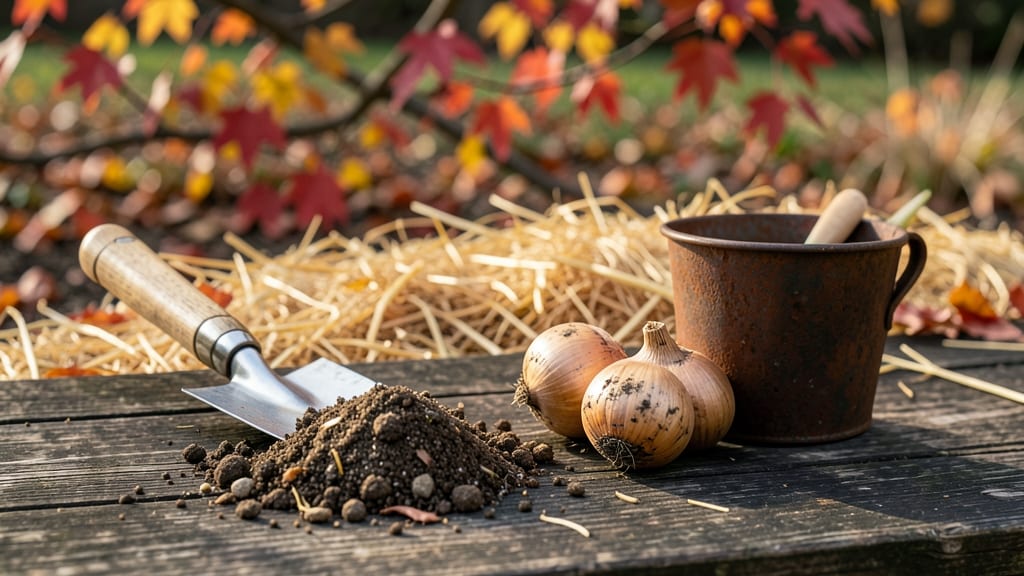
Planting daffodil bulbs at the wrong time in Wisconsin means risking frost damage or wasted effort—yet getting the timing right is simpler than you think. The key lies in understanding your zone’s 4a-5b climate, where September through October offers the perfect window before the ground freezes.
Skip the guessing game and learn exactly when to plant for vibrant 🌼 blooms next spring, even with Wisconsin’s unpredictable weather.
Most gardeners assume "fall planting" means anytime in autumn, but in Wisconsin’s chilly climate, 6 weeks before the first frost is the magic number. That usually lands between late September and mid-October, giving bulbs time to root without rotting in soggy soil.
I’ll show you how to check soil readiness and adjust for early freezes—because even experienced gardeners get caught off guard by Wisconsin’s sudden cold snaps.
You might think all daffodils thrive equally in Wisconsin’s winters, but some varieties handle frost better than others. Early bloomers like ‘Ice Follies’ need extra care, while hardy types like ‘Tête-à-Tête’ practically laugh at 20°F temperatures.
I’ll break down which bulbs to choose and how to plant them for maximum survival, so you’re not left with frozen dreams in May.
Let’s cut to the chase: proper timing isn’t just about avoiding frost—it’s about setting your daffodils up for a stronger root system that fights back against Wisconsin’s harsh conditions.
By the end of this guide, you’ll know exactly when to dig, how deep to plant, and what to do if Mother Nature throws a curveball. Your spring garden will thank you.
Wisconsin’s ideal fall planting window for daffodil bulbs
Timing your daffodil bulbs perfectly in Wisconsin means understanding the 6-week rule—plant them 4-6 weeks before the ground freezes. This window ensures bulbs establish roots but don’t sprout too early.
For most of Wisconsin’s USDA zones 4a-5b, that means mid-September to late October, but exact dates vary by location.
Northern Wisconsin (zones 3b-4a) has earlier freezes, so aim for early September planting. Southern Wisconsin (zone 5b) can wait until mid-October. The key is soil temperatures dropping to 40-50°F—bulbs need this chill to root properly but won’t tolerate frost yet.
Use your last average frost date as a guide. In Madison, that’s October 20; in Milwaukee, October 25. Planting too late risks bulbs freezing before roots form, while planting too early can cause rot in warm, wet soil.
Here’s how to check your local window: Monitor soil temps with a soil thermometer (ideal range: 50-60°F at 4” depth). If temps drop below 40°F, it’s time to plant.
🌱 Wisconsin Daffodil Planting Timeline
| Zone | Ideal Planting Window | Soil Temp Goal | Key Action |
|---|---|---|---|
| 3b-4a (Northern WI) | Mid-September | 50-60°F | Plant by Sept 15 |
| 4b-5a (Central WI) | Late September | 45-55°F | Plant by Oct 1 |
| 5b (Southern WI) | Mid-October | 40-50°F | Plant by Oct 15 |
Pro Tip: Use a moisture meter to confirm soil is damp but not soggy before planting.
For container gardening, extend your window slightly—pots insulate bulbs better. Plant 2-3 weeks later than in-ground bulbs, but still before first frost. Choose dwarf varieties like ‘Tête-à-Tête’ for pots, as they handle cooler temps better.
If you miss the ideal window, don’t panic. Bulbs can tolerate light frost if planted, but avoid hard freezes (below 28°F). In emergencies, use a thick layer of straw mulch (4-6 inches) to protect newly planted bulbs.
Remember: Early bloomers like ‘Ice Follies’ need the longest chill time, while late bloomers like ‘Thalia’ are more flexible. Plant early varieties first if you’re pushing the timeline.
Once planted, water deeply to settle soil around bulbs. Avoid overwatering—drainage is critical to prevent rot. A 2-inch layer of mulch after planting helps regulate soil temps and retain moisture.
Watch for squirrels and voles, which love fresh bulbs. Use chicken wire cages or plant bulbs in deep containers (below their digging depth) to deter pests.
With perfect timing, your daffodils will reward you with bold spring blooms—often the first flowers to push through Wisconsin’s snow. Mark your calendar now for September-October and enjoy the process! 🌼
Signs your Wisconsin soil is ready for daffodil bulbs (and what to do if it’s not)
Wisconsin’s fall soil conditions can change overnight, so knowing when your garden is truly ready to plant daffodil bulbs is critical. The ideal soil temperature for planting ranges between 40-50°F—any warmer, and bulbs may rot; any colder, and they risk freezing before rooting.
Use a soil thermometer to check depths of 4-6 inches, where bulbs will settle.
Another key indicator is soil moisture. Daffodil bulbs need well-draining soil, so if your garden stays soggy after rain, wait a few days or amend with compost to improve drainage.
Press your finger into the soil—if it’s damp but not waterlogged, it’s ready. Clay-heavy soils in northern Wisconsin (like USDA Zone 4a) may need extra sand or organic matter to prevent bulb rot.
Watch for early frost warnings from local weather reports. In southern Wisconsin (Zone 5b), you might have until mid-October to plant, while northern areas (Zone 4a) should finish by early October.
If frost hits unexpectedly, cover planted bulbs with straw mulch (3-4 inches thick) to protect them until the ground freezes solid.
🌱
⚠️ Emergency Planting Fixes for Wisconsin Gardeners
If frost arrives before you plant:
- ❄️ Temporary cold frame: Use a clear plastic bin with a light cover to trap heat around bulbs planted in pots.
- 🌾 Straw mulch blanket: Pile 4+ inches of straw over planted bulbs to insulate them.
- 🪴 Container planting: Plant bulbs in pots and move them to a garage or unheated shed until spring.
Avoid burying bulbs too deep—they need 6-8 weeks of cool soil to root before winter.
Don’t overlook soil pH—daffodils thrive in neutral to slightly acidic soil (pH 6.0-7.0).
Test your garden’s pH with a kit, and amend with lime (to raise pH) or sulfur (to lower it) if needed. Wisconsin’s limestone-rich soils often skew alkaline, so a quick pH test can save you from stunted blooms next spring.
If your soil is too warm in late fall (above 50°F), delay planting until temperatures drop. Use a shade cloth over freshly planted bulbs to cool the soil slightly.
Conversely, if the ground is frozen solid, wait until spring to plant—daffodils can handle light spring frosts once foliage emerges, but bulbs won’t survive freezing when dormant.
Pro tip: Plant a test bulb a week before your target date. If it sprouts green shoots by winter, your timing is perfect.
If it rots or freezes, adjust your schedule for next year. Patience pays off—Wisconsin gardeners who nail their fall planting see vibrant blooms by late April, beating the snow’s last hurrah.