
Plants
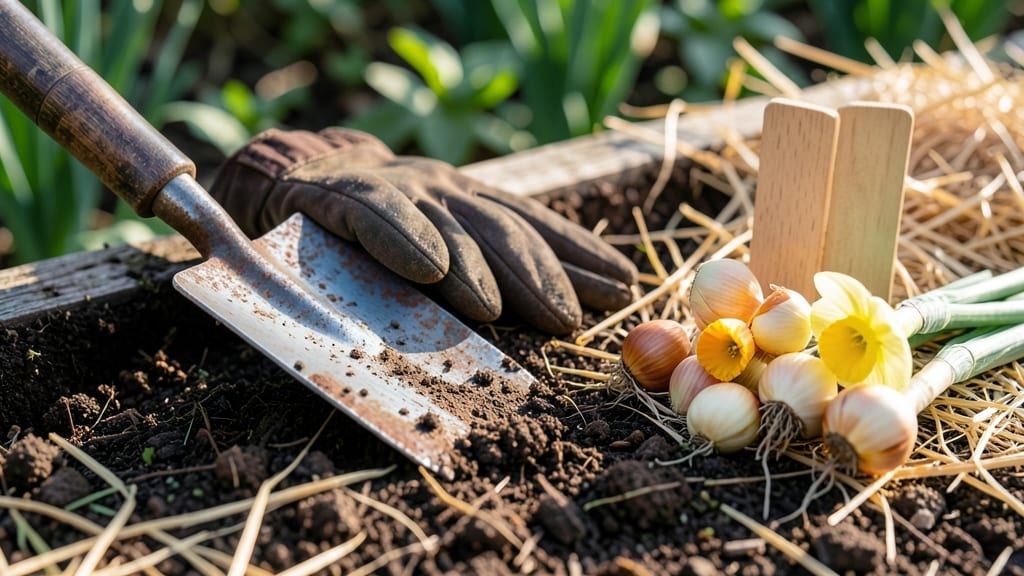
Planting daffodil bulbs at the wrong time in Maryland could mean watching your 🌼 investment rot in soggy soil or fail to bloom next spring. The key window is short—just 4-6 weeks before the ground freezes—but getting it right means vibrant flowers by April.
Maryland’s 7a-7b climate gives you a narrow frost-free window, typically between mid-October and November. Plant too early, and bulbs may sprout before winter sets in; too late, and they won’t establish roots before the cold hits. Timing isn’t just about the calendar—it’s about soil temperature.
I’ve learned the hard way that Maryland’s unpredictable weather demands precision. Bulbs need 40–50°F soil to root properly, which usually aligns with late October in most regions.
Whether you’re in Baltimore or the Eastern Shore, this guide will help you pinpoint the exact moment to plant for stronger blooms and fewer surprises.
Ready to avoid the common mistakes? I’ll walk you through the best varieties for Maryland, soil prep tricks, and how to adjust for early frosts. Let’s make sure your daffodils thrive—not just survive—the winter.
Maryland daffodil planting timeline by heat Zone (5b–7a)
Maryland’s three distinct USDA heat zones (5b, 6a, and 7a) create unique frost-free windows for planting daffodil bulbs. The key is planting when soil temperatures drop to 40–50°F—ideal for root growth before winter dormancy.
In Zone 5b (northern MD like Frederick), aim for mid-October to early November, while Zone 7a (southern MD like Calvert County) can wait until late October to early December.
For Baltimore County (Zone 6a), the sweet spot is late October, giving bulbs 4–6 weeks to establish roots before the first hard frost (average Nov 15). Missing this window risks bulbs rotting in warm soil or failing to bloom the following spring.
Use Maryland’s last frost date (April 15) as a backward calendar—plant bulbs 6–8 weeks before that date to ensure strong root systems.
Here’s how Maryland’s regional climate variations affect timing:
| Heat Zone | County Examples | Planting Window | Soil Temp Goal | Key Risk |
|---|---|---|---|---|
| Zone 5b | Frederick, Hagerstown | Mid-October – Early November | 40–50°F | Early frost |
| Zone 6a | Baltimore, Annapolis | Late October – Mid-November | 40–50°F | Warm soil delays root growth |
| Zone 7a | Calvert, Charles | Late October – Early December | 45–55°F | Late frost damage |
Check soil temperatures with a soil thermometer—plant when readings consistently hit 50°F or below at 6-inch depth. In clay-heavy Maryland soils, warm soil can linger into November, so test before planting.
For Delmarva Peninsula (Zone 7a), extend planting to early December if soil stays warm, but avoid planting after November 20 to prevent frost damage.
Use Maryland’s historical frost data as a guide: Northern counties (Zone 5b) see first frosts by November 10, while southern areas (Zone 7a) may wait until November 25. Plant bulbs 4–6 weeks before your area’s average first frost date to ensure roots establish before winter.
For example, Baltimore gardeners should finish planting by November 15 to avoid rot in warm soil.
Pro tip: Pre-chill bulbs for 4–6 weeks in the fridge (35–40°F) if planting early in Zone 7a—this mimics winter conditions and encourages root growth. Store bulbs in a cool, dry place (like a garage) until soil temps drop.
Avoid planting in September unless you’re in Zone 7a with unusually warm soil—early planting risks mold and rot.
For container gardening in Maryland, plant bulbs in pots by late October (Zone 6a/7a) or mid-October (Zone 5b). Use well-draining mix with perlite or sand to prevent waterlogging.
Move containers to a garage or shed before winter to protect roots from extreme cold snaps, which can occur as early as November 5 in northern Maryland.
Remember: Daffodil bulbs need cold exposure (vernalization) to bloom. Planting too late (after December 1) in Maryland’s Zone 5b may result in weak or non-flowering bulbs the following spring. Use Maryland’s frost-free period (165 days) to your advantage—plant bulbs when days grow shorter, signaling winter’s approach.
🌼
Signs you’re planting daffodil bulbs too early or late in Maryland
Planting daffodil bulbs at the wrong time in Maryland can turn your 🌼 investment into a soggy mess or weak blooms. One of the biggest mistakes I’ve seen is planting too early—before soil temperatures drop to 40–50°F.
When bulbs sprout in warm soil, they’ll grow tender shoots that freeze and die when winter hits. Look for mold or soft bulbs after planting as a red flag.
On the flip side, planting too late means bulbs won’t establish strong roots before the ground freezes. This leads to shorter stems and fewer flowers next spring. If your daffodils bloom but the stems are weak or floppy, it’s a classic sign of delayed planting.
Maryland’s early November cold snaps can catch gardeners off guard—always check your local frost dates!
Here’s how to avoid these mistakes: Use a soil thermometer to confirm temperatures are 50°F or below before planting. I swear by this trick—it’s saved my bulbs more times than I can count.
Also, watch the weather forecast for three consecutive days below 40°F; that’s your cue to stop planting.
Moon phases? Skip it. While some gardeners swear by planting under a full moon, there’s zero scientific backing for this myth. What does matter is soil temperature and moisture. Focus on Maryland’s frost-free window (typically mid-October to November) and adjust for your specific heat zone (5b–7a).
Another warning sign: Bulbs that sprout too early in fall. If you notice green shoots peeking through the soil before winter, your bulbs were planted too soon.
Cover them with mulch or straw to protect them from frost, but mark the spot so you don’t accidentally dig them up in spring.
For late plantings, bulbs may still survive but will produce smaller, weaker blooms. If your daffodils bloom but the flowers are tiny or sparse, it’s a sign they didn’t get enough time to root.
Next year, aim to plant 4–6 weeks before your first frost—usually by mid-November in most of Maryland.
Pro tip: If you’re unsure about timing, plant a few test bulbs in early October. Monitor their progress—if they sprout, cover them immediately. If they stay dormant, you’re in the clear to plant the rest.
This trial-and-error method has never failed me, and it’s a great way to learn your garden’s unique rhythm.
- Early October cold snaps can trick you into planting too soon—wait for consistent 50°F soil.
- Clay-heavy soils in Maryland stay warm longer; plant 2–3 weeks later than northern zones.
- Squirrels and voles love fresh bulbs—cover planting spots with hardware cloth.