
Plants
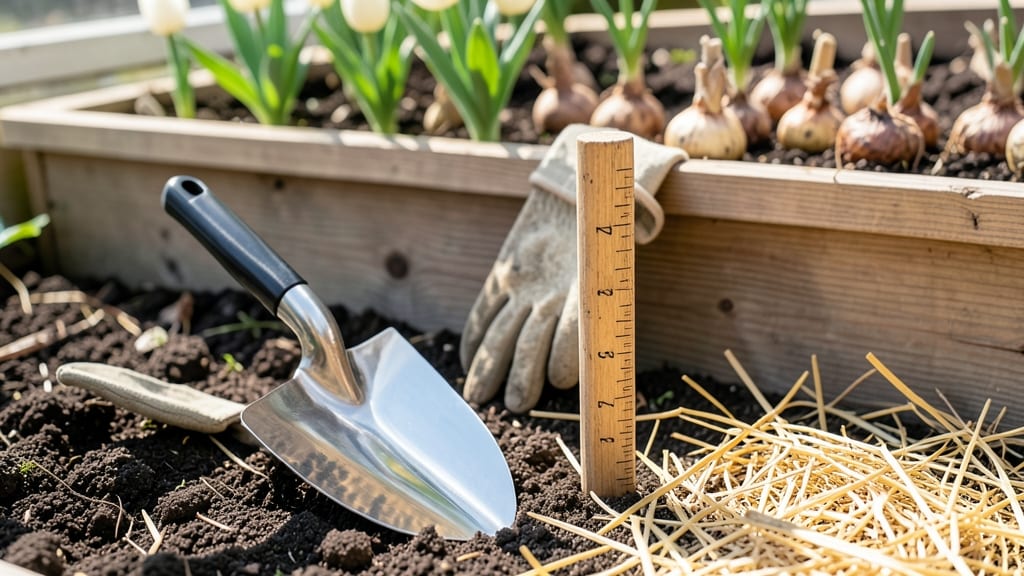
Planting bulbs at the wrong time in Indiana can mean waiting all winter for blooms that never come—or worse, losing them to frost before they even sprout. The key to vibrant spring displays lies in understanding when to plant bulbs in Indiana, where unpredictable frost dates make timing everything.
Most gardeners know fall is the prime window for planting 🌱 bulbs, but Indiana’s 6a zone demands precision. Whether you’re tucking in tulips in September or preparing daffodils for a spring surprise, getting the timing right ensures your bulbs thrive despite the region’s chilly surprises.
Let’s break down the exact frost-date calendar and soil conditions that separate success from disappointment.
You’ll discover the 3 critical windows for planting—fall, early spring, and late spring—plus how to adjust for Indiana’s erratic weather. From soil temperature checks to frost-free date math, I’ll share the exact steps I use to guarantee blooms year after year, even in the Hoosier State’s toughest winters.
Skip the guesswork and learn how to plant bulbs with confidence, whether you’re a first-time gardener or a seasoned green thumb. By the end, you’ll know exactly when to dig, how deep to go, and which bulbs will shine brightest in your Indiana garden.
Indiana bulb planting timeline by frost zone (best months revealed)
Indiana’s USDA Zones 5-6 create a unique challenge for bulb planting—too early, and frost zaps your bulbs; too late, and they rot before winter. The solution? Planting in the 6-8 week window before ground freeze for fall bulbs, or 4-6 weeks before last frost for spring varieties.
For Indiana, that typically means September-October for fall and March-April for spring, but exact timing depends on your microclimate.
Northern Indiana (Zone 5) gardeners should aim for mid-September planting to beat the October 15 average first frost, while Southern Indiana (Zone 6) can extend planting until early November.
Spring planting for tender bulbs (like dahlias) starts after April 15, but hardy varieties like daffodils can handle March planting if soil temps stay above 50°F.
Here’s my proven timeline for Indiana’s most popular bulbs, broken down by frost zone and soil conditions. Use this as your planting GPS to avoid common mistakes like frost damage or overly wet soil.
For container gardening, adjust your timeline by 2-3 weeks earlier—pots warm up faster in spring and cool down quicker in fall. If you’re in Northern Indiana, add 1-2 weeks earlier to your planting schedule to account for earlier frosts.
Always test soil moisture before planting; bulbs rot in waterlogged conditions.
Pro Tip: Mark your planting dates on a calendar and set reminders. In 2022, Indiana saw a 3-week delay in last frost in many areas, catching gardeners off guard. By planting crocuses in August (their earliest window), you ensure at least one bloom season even if spring arrives late.
Soil preparation is just as critical as timing. Work in compost or aged manure 2-3 weeks before planting to improve drainage, especially in clay-heavy soils common in Southern Indiana. Avoid fresh manure—it can burn bulb roots and reduce winter hardiness.
Finally, don’t overlook spring-blooming bulbs like grape hyacinths or snowdrops. These thrive when planted in late summer (August-September) and often bloom before snow melts, adding early color to Indiana gardens. Pair them with tulips for a sequential bloom effect that lasts from March through May.
With this timeline, you’ll never miss the planting window again—even in Indiana’s most unpredictable years. Next, we’ll cover how to adjust for weather surprises like early frosts or soggy springs, so you’re fully prepared for whatever Mother Nature throws your way. 🌱
How to adjust bulb planting for Indiana’s unpredictable weather patterns
Indiana’s unpredictable frost dates and soil temperature swings can turn bulb planting into a high-stakes game of chance. But with a few smart adjustments, you can outsmart Mother Nature and still get reliable spring blooms.
The key is flexibility—knowing when to plant early, when to wait, and how to protect your bulbs from early freezes or late springs.
First, always check your local frost dates—they can vary by 1-2 weeks even within Indiana. For example, Northern Indiana (Zone 5) might see frost by October 15, while Southern Indiana (Zone 6) could push it to November 1.
Plant bulbs 6-8 weeks before your average first frost for fall planting, or 4-6 weeks before the last spring frost for spring varieties.
Here’s my go-to rule: If your soil feels cool to the touch (below 60°F) but isn’t frozen, it’s safe to plant. Use a soil thermometer for accuracy—this small tool can save you from frozen bulbs or rotted roots.
For high-risk areas like Northern Indiana, add a 4-inch layer of mulch (straw or shredded leaves) after planting to insulate the soil and protect bulbs from early freezes.
⚠️ Warning: Late Spring Risks
Don’t plant spring bulbs too early if the ground is still cold or soggy. Wait until soil temperatures hit 50°F consistently. In 2021, many Indiana gardeners who planted tulip bulbs in March saw them rot when unseasonable rains kept soil waterlogged for weeks.
Pro Tip: If your spring arrives late, opt for hardier bulbs like daffodils or alliums, which tolerate cooler soils better than tulips or hyacinths.
For extra insurance, consider a backup planting strategy. If you’re unsure about frost dates, plant a few test bulbs (like crocuses) in early September and monitor their progress.
If they thrive, you can safely plant more. In containers, use black plastic pots—they absorb heat and warm the soil faster in spring, giving bulbs a head start.
Adjust your bulb depth based on soil conditions too. In sandy soil (common in Northern Indiana), plant bulbs deeper (8-10 inches) to protect them from freeze-thaw cycles. In clay-heavy soil (Southern Indiana), plant shallower (6 inches) to prevent waterlogging.
Always plant with the pointy end up—this isn’t just a myth; it ensures proper root growth.
Finally, if you’re in a microclimate (like a low-lying area or near a large body of water), err on the side of earlier planting. These spots often freeze earlier in fall and warm up later in spring.
Use row covers or cold frames for early spring plantings to extend the growing season. With these adjustments, you’ll turn Indiana’s unpredictable weather into an advantage, not a setback.