
Companion Plants
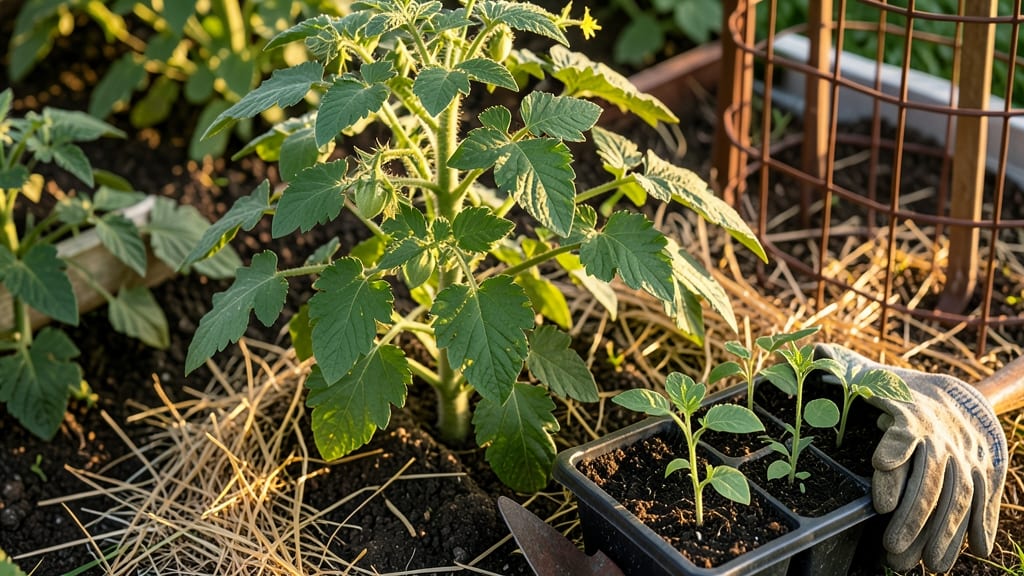
Planting tomatoes in Pennsylvania at the wrong time can mean the difference between a bumper crop of juicy 🍅 and a sad, frost-nipped disappointment. The key isn't just waiting for spring—it's understanding your local frost dates, soil warmth, and even which tomato varieties play nice with your 5b-7a climate.
Most gardeners in PA start seeds indoors by late March, but don't rush to transplant until after April 15, when soil temperatures hit 60°F and the last frost has passed.
That window—April 15 to June 1—is your golden opportunity to get tomatoes in the ground before summer heat sets in.
Here's the game-changer: early varieties like 'Early Girl' can handle cooler soils, while heat-lovers like 'Brandywine' need warmer conditions. I'll show you exactly how to match your planting strategy to your microclimate, whether you're in Pittsburgh's cooler hills or Philadelphia's urban heat islands.
Ready to avoid the most common mistakes? Let's dive into the soil temperature secrets, variety choices, and smart techniques that'll keep your tomatoes producing until October—no matter where in PA you garden.
Best planting times for tomatoes in PA by last frost date
Pennsylvania’s USDA Zones 5b-7a mean your last frost date can vary dramatically—from late April in southern regions like Philadelphia to mid-May in the Poconos. For tomatoes, timing is everything: plant too early, and a late frost will kill seedlings; too late, and your harvest shrinks.
The key is soil temperature, not air temperature.
Tomatoes need consistent soil temps of 60°F+ for transplants or 50°F+ for direct sowing. In PA, this typically aligns with mid-May for most regions, but urban areas like Pittsburgh may be ready by early May. Always check your local Almanac frost dates—they’re your best guide.
Here’s how to break it down by PA region and method:
| Region | Last Frost Date | Soil Temp for Planting | Transplant Window | Direct Sow Window |
|---|---|---|---|---|
| Southern PA (Philly, Reading) | Late April | 60°F+ | Mid-April (start indoors) | Early May |
| Central PA (Harrisburg, State College) | Mid-April | 60°F+ | Late April (indoors) | Late May |
| Northern PA (Erie, Poconos) | Mid-May | 60°F+ | Early May (indoors) | Early June |
🌱 Pro Tip: Use a soil thermometer ($10 at garden centers) to confirm temps before planting!
If you’re starting transplants indoors, begin seeds 6-8 weeks before your last frost date. For example, in Philadelphia (Zone 7a), that means mid-March starts. Use grow lights to prevent leggy seedlings—natural light alone won’t cut it.
For direct sowing outdoors, wait until soil is 50°F+ and nighttime temps stay above 55°F. In colder zones like the Poconos, this often means June 1 or later. Use black plastic mulch to warm soil faster—it can add 2-3°F to soil temperature.
Missed the ideal window? No problem! Succession planting works for PA’s short season. Sow fast-maturing varieties like 'Early Girl' every 2 weeks from May to June for staggered harvests. Just avoid planting after July 15—seedlings won’t mature before frost.
Watch for false springs, too. A warm spell in March or April can trick you into planting early. Check the 10-day forecast and be ready to cover seedlings with frost cloth if nights dip below 40°F. I’ve lost three batches of seedlings to April frosts—don’t make my mistake!
Finally, urban gardeners in cities like Pittsburgh or Allentown often have 2-3°F warmer microclimates due to heat islands. If your neighbors’ plants are thriving a week earlier, you might be able to plant 1 week ahead of rural areas. Observe and adjust!
🌿
Tomato varieties that thrive in PA’s short season (early vs. late planting)
Picking the right tomato varieties for Pennsylvania’s short growing season can mean the difference between a bountiful harvest and disappointment. With only 165 frost-free days on average, choosing fast-maturing, cold-tolerant, or heat-resistant varieties is key. I’ve tested these top performers in my PA garden—here’s what works best.
For early planting (late April to early May), prioritize determinate varieties that mature quickly and handle cooler soil. These are perfect for succession planting every 2 weeks to stretch your harvest.
If you’re planting later (May to early June), opt for indeterminate varieties that produce over time but need warmer soil to thrive.
🌱
If you’re in northern PA (Zone 5b), stick to early varieties like Stupice or Mountain Merit to avoid frost. In southern PA (Zone 7a), you can experiment with indeterminate types like Better Boy or Sungold for a longer harvest.
Always check your local frost dates—they can vary by 2-3 weeks across the state!
For succession planting, I recommend starting with Early Girl in late April, followed by Celebrity in early May, and finishing with Brandywine in late May. This ensures you have tomatoes from June through October—no gaps in your harvest!
☀️