
Planting
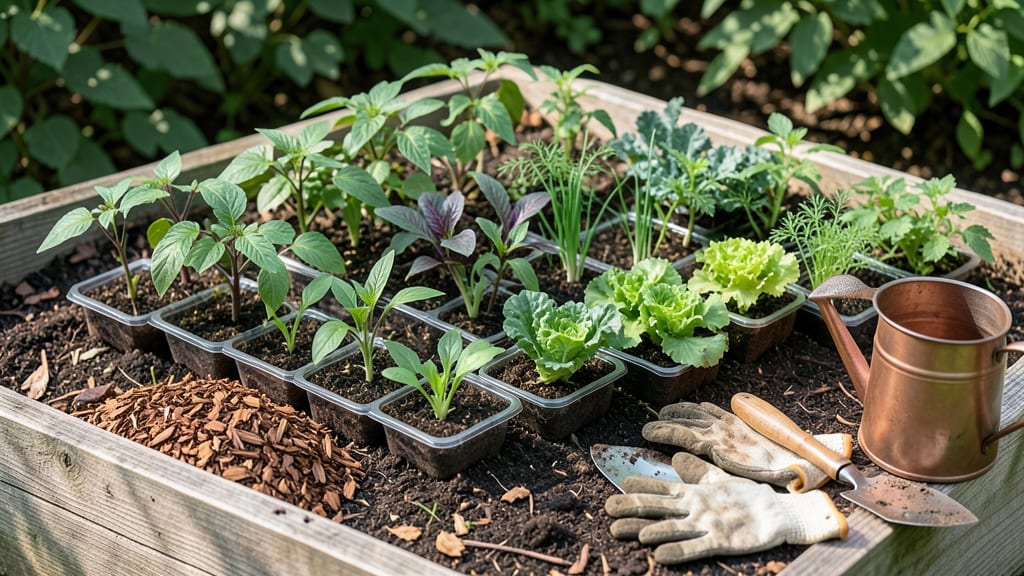
Timing your vegetable garden in New York can make the difference between a bountiful harvest and wasted seeds—because one wrong move, and you're either planting too early for frost or too late for summer heat.
The key is understanding your specific region's frost dates, whether you're in the NYC metro, Hudson Valley, or Western NY, where microclimates shift planting windows by weeks.
I've spent years tracking New York's planting calendar, and what I've learned is that cool-season crops like peas and lettuce thrive when planted 4-6 weeks before the last frost, while tomatoes and peppers need to wait until after mid-May in most zones.
But here's the catch: even within New York, frost dates vary by 10-14 days depending on elevation and proximity to water.
What if you could extend your growing season by 30 days or more? The secret isn't just about knowing when to plant—it's about using row covers, cold frames, and succession planting to squeeze every possible harvest from your garden.
Let me show you exactly how to align your planting schedule with New York's climate quirks for maximum success.
From seed-starting indoors in early March to transplanting heat-lovers in June, this guide breaks down the month-by-month planting schedule that works for New York's diverse growing zones.
Whether you're a beginner or a seasoned gardener, you'll walk away with a clear roadmap to avoid common mistakes and grow more food than ever before.
New York frost dates by region: when to start planting cool vs warm season crops
New York’s diverse climate means frost dates vary dramatically across regions, from the Hudson Valley’s chilly USDA Zone 5 to Long Island’s milder Zone 7. Knowing your last spring frost and first fall frost is critical for timing cool-season crops like lettuce and warm-season crops like tomatoes.
Let’s break it down by region so you can plant with confidence.
For cool-season crops, you’ll want to start seeds 4-6 weeks before your last frost date. Warm-season crops like peppers and cucumbers need to wait until 2 weeks after your last frost, when soil temperatures hit at least 60°F.
Below, I’ll share exact frost dates for five key NY regions—plus how to adjust for microclimates in your backyard.
🌱
| Region | Last Spring Frost | First Fall Frost | USDA Zone | Best for Crops |
|---|---|---|---|---|
| NYC Metro (Bronx, Queens, Brooklyn) | April 15–May 1 | October 15–20 | Zone 7a–7b | Tomatoes, Peppers, Basil |
| Hudson Valley (Albany, Poughkeepsie) | April 20–May 5 | October 5–10 | Zone 5b–6a | Lettuce, Peas, Kale |
| Long Island (Nassau, Suffolk) | April 10–20 | October 25–November 1 | Zone 7b–8a | Sweet Corn, Green Beans |
| Western NY (Buffalo, Rochester) | May 1–10 | September 20–October 5 | Zone 5a–6b | Onions, Carrots, Potatoes |
| Adirondacks (Lake Placid, Saranac Lake) | May 15–25 | September 10–15 | Zone 4a–4b | Cold-Hardy Kale, Spinach |
If you’re in Zone 5 (Hudson Valley, Adirondacks), start spinach and peas as soon as soil is workable—often late March or early April. For tomatoes and peppers, wait until mid-May when nighttime temps stay above 50°F.
In Zone 7 (NYC, Long Island), you can plant warm-season crops as early as April 15, giving you a longer growing season.
Pro tip: Use row covers to protect early plantings from late frosts. I’ve extended my cucumber season by 2 weeks using lightweight fabric—just remove it when flowers appear to allow pollination. Check the National Weather Service or Cornell Cooperative Extension for real-time updates on frost risks in your area.
For warm-season crops like tomatoes and peppers, soil temperature matters more than air temperature. Use a soil thermometer to confirm temps are above 60°F before planting.
In colder regions like the Adirondacks, consider starting seeds indoors in March and transplanting after the last frost. This gives heat-loving plants a head start.
🌿
Don’t forget about fall planting! Many cool-season crops, like kale and radishes, thrive in fall’s crisp air
Best vegetable planting schedule for New York: month-by-month variety guide
New York’s growing season varies dramatically from the Adirondacks to Long Island, so timing is everything. I’ve broken down the best months to plant 20+ common vegetables, including when to start seeds indoors and transplant outdoors for maximum yield.
For example, cool-season crops like spinach thrive in early spring, while tomatoes need warm soil to avoid blossom-end rot.
Start by marking your last frost date (typically mid-April to late May across NY) on your calendar. This is your cue to begin planting hardy greens like kale and peas. For warm-season crops, wait until soil temperatures hit 60°F+, usually late May to early June.
I’ll also share my succession planting secrets to keep your harvests coming all summer.
🌱 Month-by-Month Planting Guide
For succession planting, focus on leafy greens and root vegetables. For example, I sow lettuce every 2 weeks from May through July to avoid bolting. Similarly, bush beans planted in June and again in August give me a double harvest.
Don’t forget to rotate crops yearly to prevent soil-borne diseases—my zucchini patch thrives where tomatoes grew last year!
Pro tip: Use row covers to extend your planting window. I’ve successfully grown spinach in early March by covering it with lightweight fabric, which protects it from late frosts while still allowing sunlight. This trick adds 3-4 extra weeks to your growing season without a greenhouse.
Finally, keep a planting journal to track what works in your microclimate. In my Bronx garden, for instance, tomatoes planted in early May often suffer from blossom drop due to cool nights, so I now wait until mid-June for better results.
Adjust these timelines based on your local frost dates and soil conditions—your garden will thank you!