
Plants
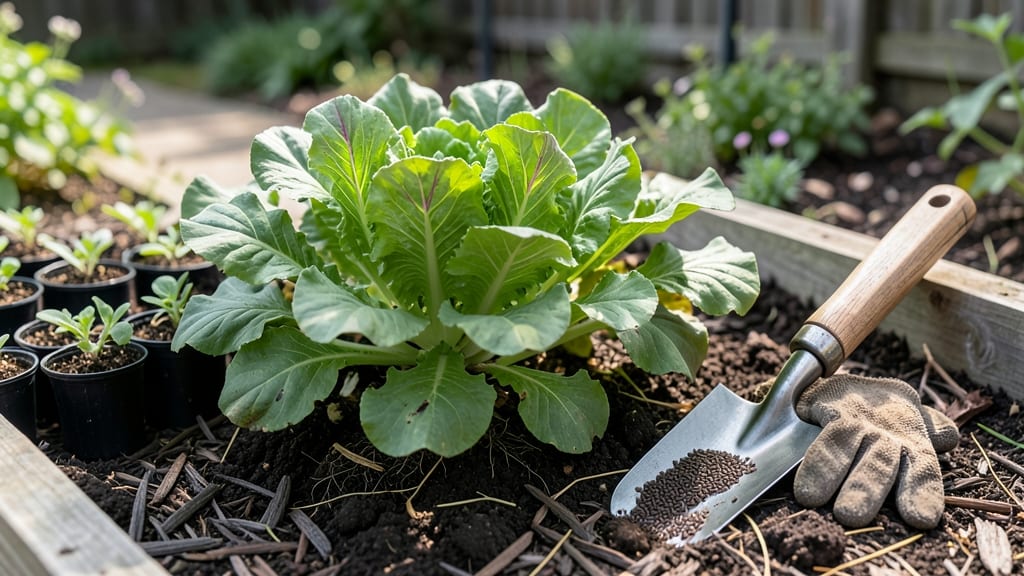
Planting lettuce in Georgia at the wrong time means either waiting for frost to ruin your tender 🥬 leaves or watching them bolt into bitter stalks under summer heat.
The key to crisp, continuous harvests lies in knowing exactly when to start seeds or set transplants—whether you're in the cooler North Georgia mountains or the warmer coastal plains.
Most gardeners in zones 7b-8a get two perfect windows: late winter through early spring for that first fresh harvest, and again in late summer for a fall crop. But timing isn't one-size-fits-all—your local microclimate could mean planting 2-3 weeks earlier in the mountains than along the coast.
Let me show you how to pinpoint your exact schedule and avoid the most common mistakes.
You'll discover how to stretch your growing season with simple tricks like shade cloth and succession planting, plus which lettuce varieties actually thrive in Georgia's heat.
Whether you're a first-time gardener or a seasoned green thumb, these insights will help you enjoy homegrown 🥬 from April through November without the usual struggles.
Ready to transform your garden into a lettuce-producing machine? I'll walk you through everything from soil prep to harvest timing, so you can enjoy crisp salads straight from your backyard—no more store-bought greens when the weather's just right for growing them yourself.
Best planting windows for lettuce in Georgia: spring and fall timing explained
Georgia’s USDA zones 7b-8a create a unique opportunity to grow lettuce year-round, but timing is critical. The last frost date typically falls around mid-March, while the first frost arrives in mid-November. These dates define your planting windows for maximum success.
For spring lettuce, start seeds indoors 6-8 weeks before your last frost (around January) and transplant outdoors 4-6 weeks before frost (typically late February to early March). This ensures tender leaves mature before summer heat arrives. In North Georgia, cooler microclimates may allow slightly earlier planting.
Fall planting begins late summer (around August) for a harvest before frost. Direct-sow seeds 8-10 weeks before first frost (usually early September) or transplant 6-8 weeks before frost (around mid-September). This timing avoids the bolting trigger of Georgia’s late-summer heat.
| Season | Planting Window | Key Dates (GA) | Notes |
|---|---|---|---|
| Spring | Indoor Start | Jan 15 - Feb 15 | 6-8 weeks before last frost |
| Spring | Outdoor Transplant | Feb 28 - Mar 15 | 4-6 weeks before last frost |
| Fall | Direct Sow | Aug 15 - Sep 5 | 8-10 weeks before first frost |
| Fall | Transplant | Sep 15 - Oct 1 | 6-8 weeks before first frost |
In South Georgia, where summers are hotter, focus on heat-tolerant varieties like 'Jericho' or 'Black Seeded Simpson'. These can handle 85°F+ temperatures better than traditional lettuce. For North Georgia, prioritize bolt-resistant varieties like 'Winter Density' to extend your harvest window.
Always check your local frost dates using the National Weather Service or University of Georgia Extension resources, as microclimates can shift planting windows by 1-2 weeks. Coastal areas may experience earlier last frosts than inland regions, allowing for slightly earlier spring planting.
For succession planting, sow new seeds every 2-3 weeks during your planting window. This ensures a continuous harvest and prevents overwhelming bolting. In summer months, use shade cloth (30-50%) to protect tender lettuce from intense sunlight and maintain crisp texture.
Remember that soil temperature matters just as much as air temperature. Lettuce germinates best in 60-70°F soil. In early spring, use black plastic mulch to warm the soil faster. In late summer, plant in shaded beds or under drip irrigation to keep roots cool.
By following these Georgia-specific timing guidelines, you’ll avoid the two biggest lettuce pitfalls: frost damage and heat-induced bolting. With the right schedule, you can enjoy crisp, homegrown lettuce from late winter through early fall—just in time for Georgia’s famous Pimento Cheese sandwiches!
Best planting windows for lettuce in Georgia: spring and fall timing explained
Georgia’s USDA Zones 7b-8a create unique challenges for lettuce growers. Unlike northern states, we can’t just follow a simple "plant in spring" rule—our mild winters and long summers demand precise timing.
The key is avoiding frost damage in early spring and heat stress in summer, which causes lettuce to bolt prematurely.
For most of Georgia, the last frost date falls around mid-March, while the first frost typically arrives in mid-November. This means we’ve got a 210-240 day frost-free window—plenty of time for two full lettuce crops if timed correctly.
Let’s break down the exact windows for your spring and fall harvests.
| Season | Planting Window | Harvest Window | Key Considerations |
|---|---|---|---|
| Spring | Late February - Early April | April - June | Plant 4-6 weeks before last frost (around February 15-March 1). Use heat-tolerant varieties if planting late March. |
| Fall | Late July - Early September | October - November | Aim for 8-10 weeks before first frost (around August 15-September 1). Use shade cloth in late summer to prevent bolting. |
| Summer (Heat-Tolerant) | May - June | June - July | Only for heat-resistant varieties like Jericho or Black Seeded Simpson. Requires 30-50% shade during peak heat. |
Georgia’s microclimates create regional variations. Gardeners in North Georgia (Zone 7b) should plant slightly earlier—aim for February 1 for spring crops—to beat frost. Meanwhile, South Georgia (Zone 8a) can push spring planting to March 15 safely.
For fall, North Georgia’s shorter season means starting by August 1, while South Georgia can wait until September 1.
Pro tip: Use succession planting every 2 weeks during your chosen window to ensure a continuous harvest. For example, if planting spring lettuce, start your first batch on February 15, then follow with March 1 and March 15 batches.
This staggered approach prevents glutting your kitchen and maximizes garden space.
Remember, soil temperature matters just as much as air temperature. Lettuce seeds won’t germinate well in cold soil—wait until soil reaches 40°F (4°C) for spring planting. Test this with a soil thermometer or wait until March 15 as a general rule for most of Georgia.
For gardeners in coastal areas like Savannah or Brunswick, you’ve got an extra advantage: milder winters and longer fall seasons. You can often push fall planting to early October and still harvest before frost. Just monitor local frost forecasts and use row covers for added protection.