
Planting
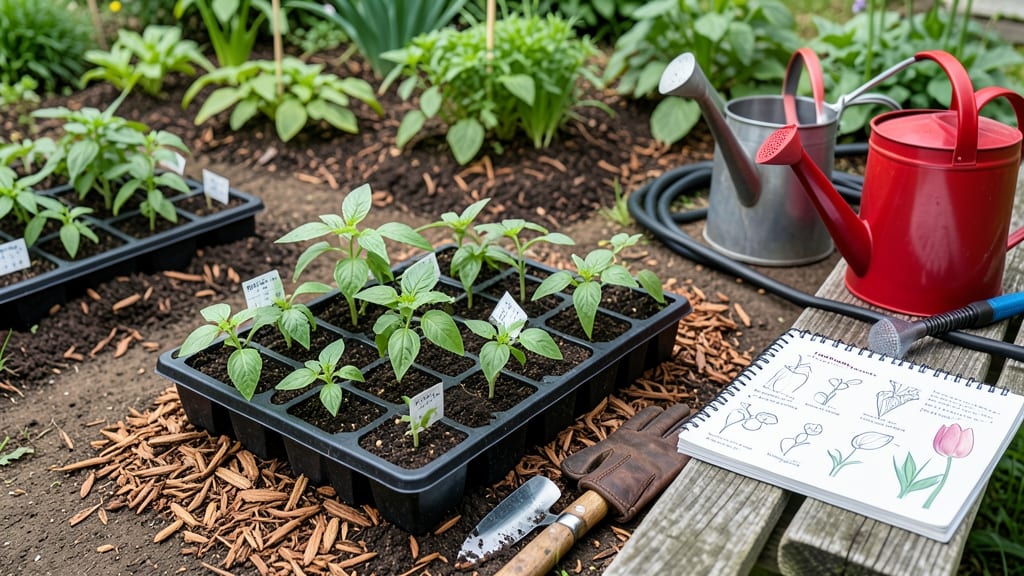
Planting a garden in New Brunswick at the wrong time can leave you staring at frost-killed seedlings instead of a bountiful harvest—so knowing your exact frost-free dates for Zones 5B and 6A is non-negotiable.
The difference between a 30-day growing window and a 60-day one often comes down to timing, and local microclimates like Fredericton’s valleys or Saint John’s coastal breezes can shift those dates by weeks.
I’ve spent years testing planting schedules across New Brunswick, and the key is balancing soil warmth with air temperature—because even if your 🌱 garden soil is ready, a late frost can still wipe out your early peas.
What works in Moncton’s milder Zone 6A might fail in rural Zone 5B, where frost lingers longer. Let me break down the science behind these dates and how to adjust for your specific corner of the province.
You’ll discover which cool-season crops (like spinach and kale) can handle early spring plantings, and which warm-season varieties (tomatoes, peppers) need to wait until after Memorial Day—plus how to stretch your season with row covers or cold frames.
No more guessing games: just proven strategies to maximize your harvest before the first frost hits.
Whether you’re a first-time gardener or a veteran looking to fine-tune your schedule, this guide cuts through the confusion. We’ll cover urban balconies and rural fields, early vs. late varieties, and even how to read your local weather patterns like a pro.
Ready to turn your New Brunswick garden from “maybe next year” to “already thriving”?
New Brunswick frost-free dates by zone: when to plant cool-season vs. warm-season crops
New Brunswick’s Zone 5B and 6A climate creates a short but productive growing season, with last frost dates varying by region. Fredericton typically sees its final frost around May 15, while Saint John and Moncton average May 10-12.
These dates determine whether you plant cool-season crops early or wait for warm-season varieties to thrive.
Understanding these microclimate differences is key—urban areas like Fredericton often warm faster than coastal regions. Always check local frost-free date averages and prepare for late frosts, which can damage tender seedlings. My garden in Zone 5B lost a batch of tomatoes last year because I planted too early!
Below is a detailed planting timeline for New Brunswick, broken down by crop type and region. Use these frost-free date guidelines to maximize your harvest potential while avoiding common mistakes like overcrowding seedlings or planting too late.
For cool-season crops like lettuce, spinach, and peas, start seeds 4-6 weeks before your last frost date. In Fredericton, that means mid-April, while coastal areas should wait until late April. These plants tolerate light frosts and even thrive in cool soil temperatures.
Warm-season crops, including tomatoes, peppers, and cucumbers, need soil temperatures above 60°F (15°C). In New Brunswick, this usually happens 2-3 weeks after the last frost. For Fredericton, that’s around June 1, while Saint John may wait until June 10. Always use row covers to protect young plants if late frosts threaten.
| Crop Type | Fredericton (Zone 5B) | Saint John/Moncton (Zone 6A) | Planting Notes |
|---|---|---|---|
| Cool-Season (Lettuce, Spinach, Peas) | Mid-April (4-6 weeks before last frost) | Late April (4-6 weeks before last frost) | Direct sow or start indoors. Use row covers for frost protection. |
| Warm-Season (Tomatoes, Peppers, Cucumbers) | June 1 (after soil warms to 60°F) | June 10 (after soil warms to 60°F) | Start indoors 6-8 weeks before transplanting. Use black plastic mulch to warm soil. |
| Root Vegetables (Carrots, Beets, Potatoes) | Early May (soil temp 45°F/7°C) | Late April (soil temp 45°F/7°C) | Direct sow after last frost risk passes. Loosen soil to prevent forking. |
| Herbs (Basil, Cilantro, Dill) | Late May (after frost risk) | Early June (after frost risk) | Basil needs warm soil; cilantro bolts in heat—sow in partial shade. |
For succession planting, sow bush beans, radishes, and lettuce every 2 weeks after your initial planting to ensure a continuous harvest. In my garden, this means late May, June 1, and June 15 for Fredericton.
Always check seed packet instructions for specific days to maturity—some varieties like radishes mature in just 25 days, while cabbage takes 80+ days.
If you’re new to gardening in New Brunswick, start small with easy-to-grow crops like peas, lettuce, and radishes. These tolerate cool temperatures and short growing seasons better than finicky plants.
My first year, I overcommitted to tomatoes and peppers—only 3 out of 10 survived the late May frost!
Pro tip: Use a garden journal
Best vegetables to plant in New Brunswick’s short growing season (zone 5B/6A guide)
New Brunswick’s short growing season demands smart choices—focus on fast-maturing varieties that thrive in Zone 5B/6A. My top picks balance cold tolerance and heat resilience, ensuring harvests even with late frosts or early chills.
For spring planting, prioritize cool-season crops like peas and spinach, which handle frost down to -3°C (27°F). These can start indoors in early March or directly outdoors by late April once soil warms.
Summer brings warm-season staples like tomatoes and peppers, but choose early-maturing hybrids (e.g., 'Stupice' tomatoes—50 days to harvest). Plant these after last frost (mid-May) and use black plastic mulch to warm soil faster.
Don’t overlook fall crops! Kale and carrots sweeten after frost, while garlic planted in October yields next summer. My go-to fall variety is 'Winterbor' kale—it thrives in Zone 5B’s early frosts and keeps producing until snow flies.
For urban gardeners, container-friendly picks like bush beans ('Blue Lake') and bok choy ('Toy Choy') fit small spaces while delivering quick harvests. These need 6+ hours of sun but tolerate partial shade better than tomatoes.
Pro tip: Pair heavy feeders (tomatoes, peppers) with nitrogen-fixers (peas, beans) to boost soil fertility naturally. Rotate crops yearly to prevent disease buildup in New Brunswick’s humid summers.