
Plants
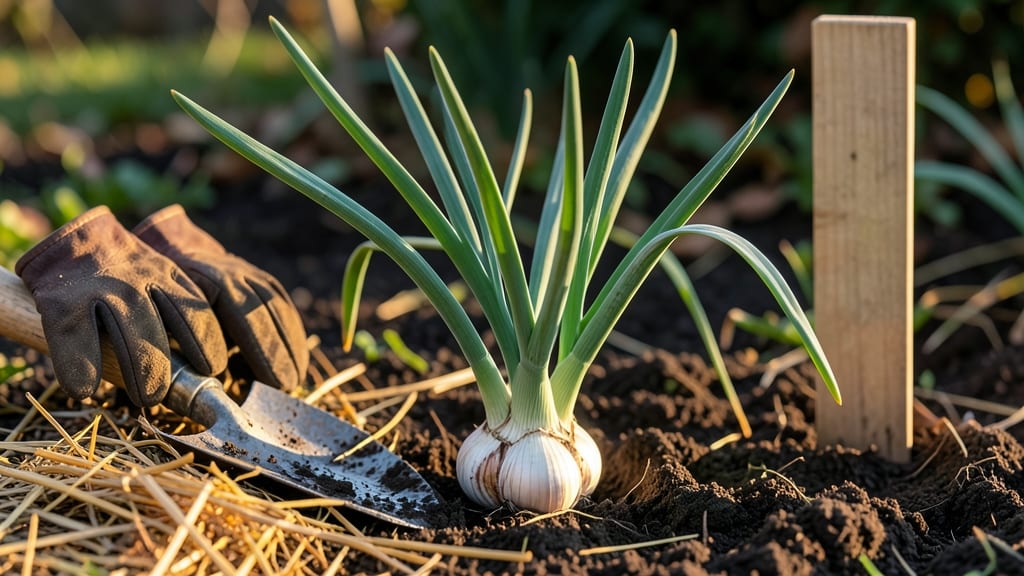
Planting garlic in the fall is one of the most rewarding gardening decisions you can make—but timing it wrong could mean losing your crop before it even starts. The key to success lies in understanding when to plant based on your local climate, whether you're growing hardneck or softneck varieties.
In USDA Zone 6a, like many temperate regions, the ideal window is 4-6 weeks before the ground freezes, typically between mid-October and early November. This timing allows garlic to establish roots before winter dormancy, setting the stage for a robust harvest the following summer.
Hardneck and softneck garlic have slightly different needs, but both benefit from fall planting. Hardneck varieties, known for their bold flavor and scapes, thrive when planted early, while softneck types—often used for braiding—can handle a slightly later window.
The difference in timing can mean the difference between a thriving crop and a disappointing one.
Don’t let common myths fool you—planting garlic too late or too early can stunt growth or invite pests. I’ll walk you through the exact steps to time your planting perfectly, from soil prep to post-planting care, so you can enjoy a bumper crop of 🧄 next season.
Best fall planting months for garlic by US hardiness zone
Planting garlic in the fall gives it a head start, allowing roots to establish before winter dormancy. The ideal window is 6-8 weeks before your first frost, but this varies dramatically by USDA hardiness zone.
In colder northern zones (like Zones 3-5), aim for mid-October to early November—any later risks frost damage before roots settle.
Southern gardeners in Zones 6-8 have more flexibility, with September to early November working well. The key is ensuring soil temps stay above 40°F (4°C) for root growth. Use your local last frost date as your anchor point—count backward to plan.
For example, if your first frost hits November 15, plant by October 1 in Zone 5. In Zone 7, you might extend planting until December 1, but avoid planting when soil temps drop below 50°F (10°C)—roots won’t form properly.
Hardneck varieties (like ‘Music’ or ‘German White’) thrive in colder climates and need cold exposure to form bulbs.
Softnecks (like ‘Artichoke’ or ‘Silverskin’) tolerate warmer winters but still benefit from early fall planting. Miss the window? Don’t panic—garlic can handle light frosts, but avoid planting when ground is frozen.
| USDA Zone | Ideal Planting Window | Soil Temp Threshold | Notes |
|---|---|---|---|
| 3-4 | Mid-September to October 15 | 40°F (4°C) minimum | Hardneck preferred; mulch heavily |
| 5-6 | October 1 to November 1 | 45°F (7°C) minimum | Both types work; avoid late planting |
| 7-8 | September 15 to December 1 | 50°F (10°C) minimum | Softneck excels; extend window |
| 9-10 | October 15 to November 30 | 55°F (13°C) minimum | Spring planting possible but less ideal |
🌱 Pro Tip: Use a soil thermometer to confirm temps before planting.
Regional microclimates add another layer. Coastal areas stay warmer longer, while inland zones freeze sooner. Mountain regions may need planting by September 1 due to early frosts. Check with your local cooperative extension office for hyper-local advice—some years, a 1-2 week shift in timing can make or break your harvest.
Don’t let late fall rains delay planting—garlic cloves rot in soggy soil. If ground is too wet, wait for a dry spell or plant in raised beds for better drainage. Over-planting is another pitfall; space cloves 4-6 inches apart in rows 12 inches apart to prevent competition.
Hardneck garlic in Zones 3-5 often produces scape shoots in spring—a sign of bulb development. Softnecks in warmer zones may not scape at all. Remove scapes from hardnecks to redirect energy to bulb growth, but leave them on softnecks unless they’re crowding the plant.
After planting, mulch with straw (4-6 inches deep) to insulate roots through winter. This prevents heaving (when bulbs push out of frozen soil) and keeps temps stable. In Zone 9+, mulch may not be needed, but a light layer still protects against temperature swings.
Remember: Garlic planted in fall matures the following summer, not the same year. Patience pays off—proper timing now ensures larger, more flavorful bulbs by harvest season. Start early, and you’ll thank yourself when you’re pulling plump cloves in July or August.
Best fall planting months for garlic by US hardiness zone
Planting garlic in the fall gives it time to develop strong roots before winter dormancy, but the exact timing depends on your USDA hardiness zone. In zones 3-5, aim for 6-8 weeks before the ground freezes, typically mid-October to early November.
Warmer zones like 6-8 can plant as late as December, while zones 9-10 may even start in November for a spring harvest.
Northern gardeners in zones 3-4 should prioritize early planting (by October 15) to ensure roots establish before frost. Southern zones (7-10) have more flexibility but risk heat stress if planted too late.
Always check your local last frost date—garlic needs cold exposure to form bulbs, but not deep freeze.
Here’s a quick reference to align your planting with your zone’s climate patterns:
| Zone | Ideal Planting Window | Notes |
|---|---|---|
| 3-4 | Mid-October to early November | Early planting critical; soil temps must drop below 40°F for bulb formation. |
| 5-6 | Late October to mid-November | Hardneck varieties thrive here; mulch heavily for winter protection. |
| 7-8 | November to early December | Softneck garlic prefers milder winters; avoid late planting in heat-prone areas. |
| 9-10 | November to January | Plant in cooler months; may need shade cloth in summer to prevent bolting. |
For hardneck garlic, cold winters are essential—they trigger bulb formation. In zones 9-10, growers often use refrigeration tricks or plant in high-altitude areas to mimic cold exposure. Meanwhile, softneck varieties are more adaptable but still benefit from a 4-6 week chill period.
Pro tip: Use a soil thermometer to ensure soil temps are below 50°F at planting. If your zone’s fall is unpredictable, err on the earlier side—garlic roots grow slowly in cold soil but won’t survive if planted too late.
Regional microclimates matter too. Coastal areas may plant later than inland zones due to milder winters, while high-elevation gardens can extend planting into December. Always observe your garden’s unique patterns over a few seasons to refine timing.
Once planted, focus on mulching (3-4 inches of straw or leaves) to insulate bulbs through winter. This protects against heaving (when soil freezes and thaws, pushing bulbs out of the ground) and keeps moisture consistent.