
Plants
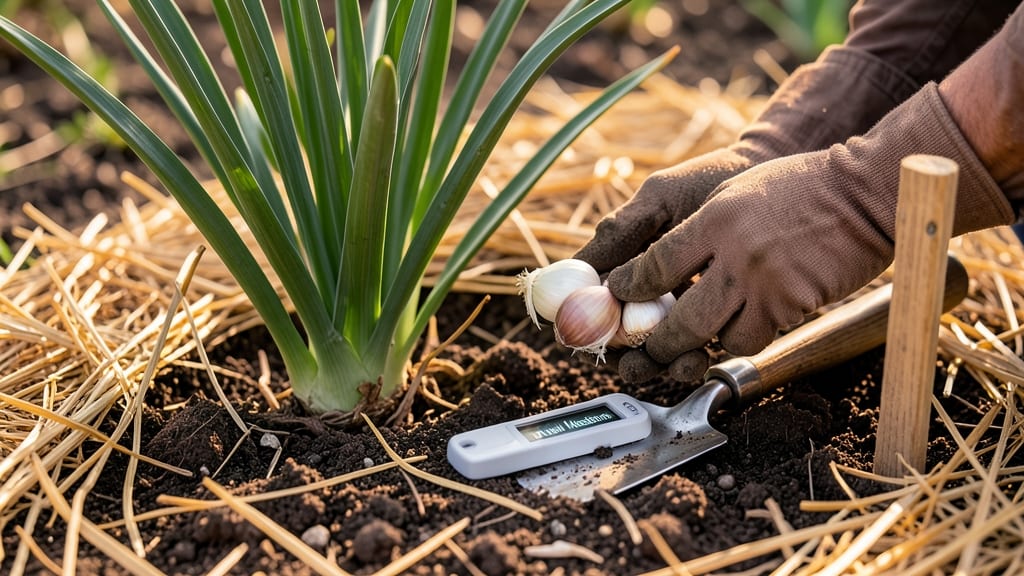
Planting garlic in Zone 5 at the wrong time can mean the difference between bold, flavorful bulbs and disappointing harvests—so timing is everything. The key to growing 🧄 that thrives in your climate lies in understanding when the soil and weather align perfectly for success.
If you've ever wondered why some gardeners swear by fall planting while others try spring, you're not alone. Let me break down the best months to plant garlic in Zone 5 and why getting it right makes all the difference.
Fall planting, specifically between October and November, gives garlic the head start it needs to establish roots before winter dormancy. This cold-hardy approach ensures robust growth when spring arrives, leading to stronger bulbs by harvest time.
But what happens if your fall window slips or you're new to gardening? I'll walk you through the best strategies to adjust for unpredictable weather and regional variations in Zone 5.
You'll also discover how to prepare your soil, select the right garlic varieties, and protect your crop from early frosts. Whether you're a seasoned gardener or just starting, these insights will help you avoid common mistakes and maximize your harvest.
Let's dive into the best months for planting garlic in Zone 5 and set you up for a bountiful yield.
The secret to growing garlic that's larger, more flavorful, and ready by late summer starts with the right timing. By following these proven methods, you'll be well on your way to a successful harvest. Ready to transform your garden? Let's get started.
Best planting months for garlic in Zone 5: a month-by-month breakdown
In Zone 5, timing your garlic planting correctly is the secret to growing plump, flavorful bulbs. The ideal window is 4-6 weeks before the ground freezes, typically between mid-October and November. This gives garlic time to establish roots before winter dormancy.
For hardneck varieties, this timing is critical—they need cold exposure to form bulbs. Softneck garlic, while possible, thrives best with a similar fall planting schedule.
Why fall planting? Garlic grows slowly in cool weather, and the cold helps develop flavorful bulbs. Planting too early risks rot from excess moisture, while planting too late may not give roots enough time to anchor before frost.
Zone 5’s average last frost date is around November 15, so aim to plant by then. If you miss fall, a spring planting (March-April) is possible but yields smaller bulbs.
🌱
| Month | Soil Temp | Best For | Notes |
|---|---|---|---|
| September | 50-60°F | Early Start | Risk of rot if too wet; best for early varieties. |
| October | 40-50°F | Ideal Time | Perfect balance of root growth and frost prep. |
| November | 35-45°F | Last Chance | Plant by mid-November before ground freezes. |
| December | Frozen | Not Recommended | Roots won’t establish; save for spring. |
For hardneck garlic, which includes popular varieties like Rocky Mountain and German Red, fall planting is non-negotiable. These varieties need vernalization (cold exposure) to trigger bulb formation.
Plant them by October 15 for best results. Softneck garlic, like Silverskin, can be planted later but still benefits from fall’s cooler temps.
If you’re unsure about your local frost dates, use a soil thermometer to guide planting. Aim for 40-50°F soil temps—this ensures roots grow but won’t rot in warm conditions. In Zone 5’s northern regions, like Minnesota or Upstate New York, plant by early October.
In southern Zone 5, like Kansas or Missouri, you might extend planting until mid-November.
Pro tip: Use organic mulch, like straw, after planting to insulate bulbs from freeze-thaw cycles and keep soil temps stable. This is especially critical in Zone 5’s unpredictable winters. Mulch also suppresses weeds and retains moisture during dry spells in early spring.
Spring planting is an option if you miss fall, but bulbs will be smaller and less flavorful. If you choose this route, plant as soon as soil is workable (usually March-April) and expect a harvest 2-3 weeks earlier than fall-planted garlic.
For best results, stick to softneck varieties, which tolerate spring planting better.
One common mistake in Zone 5 is planting garlic too deep. Aim for 2 inches deep, with the pointy end up. Overly deep planting can lead to rot or poor bulb formation.
Space cloves 4-6 inches apart in rows 12 inches apart to allow airflow and reduce disease risk.
🌿
Best planting months for garlic in Zone 5: a month-by-month breakdown
In Zone 5, planting garlic at the right time ensures strong, flavorful bulbs that thrive through winter. The ideal window is October to November, but timing varies slightly between hardneck and softneck varieties.
Cold-hardy hardneck garlic benefits from a 6-8 week cold period before summer growth, while softneck varieties tolerate milder winters.
For Zone 5 gardeners, aim to plant garlic 4-6 weeks before the ground freezes. This typically falls between mid-October and early November, but check your local last frost date (usually around November 15). Planting too early risks rot, while planting too late may stunt bulb development.
🌱 Key Takeaway: Hardneck garlic planted in October yields the largest bulbs, while November plantings work for softneck varieties or areas with early frosts.
| Month | Hardneck Garlic | Softneck Garlic | Soil Temp |
|---|---|---|---|
| September | Early planting possible in warm microclimates | Avoid (risk of rot) | 50-60°F |
| October | Best time for hardneck varieties | Good for late-maturing softneck | 40-50°F |
| November | Last chance before frost | Ideal for softneck | 35-45°F |
| December | Only if ground isn't frozen | Risky (limited growth) | Below 32°F |
If you miss the fall window, you can plant garlic in early spring (March-April), but bulbs will be smaller and less flavorful. Spring-planted garlic lacks the cold vernalization needed for full development. For Zone 5 gardeners, prioritize fall planting—it’s the secret to bold, robust garlic.
Pro tip: Use a soil thermometer to confirm 40-50°F soil temps before planting. Cooler temps (35°F or below) slow germination, while warmer soils risk rot. Mulch heavily after planting to insulate cloves through winter.
For Zone 5’s unpredictable climate, consider planting hardneck varieties like ‘Music’ or ‘German White’—they handle cold better than softneck types. Adjust planting dates based on your local microclimate (e.g., urban areas may freeze earlier than rural zones).