
Plants
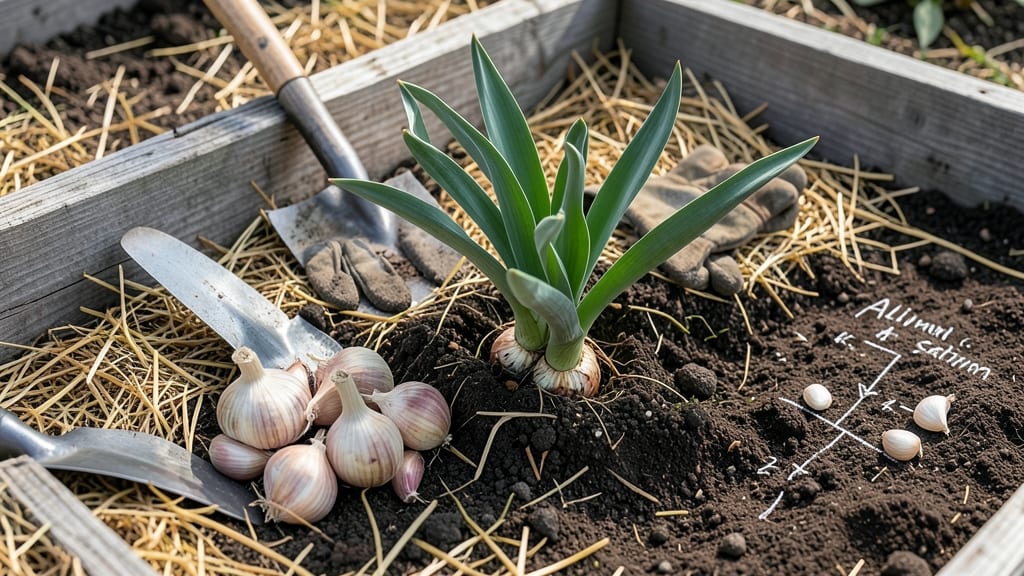
Planting garlic in Zone 8a at the wrong time could mean the difference between a flavorful harvest of plump cloves and a disappointing flop. Unlike other crops, garlic thrives when planted in cool fall months, not spring—this is the key to developing those bold, pungent bulbs we all love.
For gardeners in Zone 8a, timing isn’t just about months—it’s about catching that sweet spot between October and November, when soil temperatures drop but frost hasn’t settled in yet.
Miss this window, and you risk stunted growth or cloves that never fully mature. Let me show you exactly how to nail your planting schedule for maximum yield and flavor.
We’ll dive into the best varieties for your region, how to prep your soil for success, and even how to adjust for those tricky Zone 8a microclimates.
Whether you’re a seasoned grower or just starting with 🧄, these tips will help you avoid common mistakes and grow garlic that rivals store-bought—only better.
Ready to transform your garden? Let’s get those cloves in the ground at the perfect moment for a harvest that’ll make your kitchen—and your taste buds—sing.
Best months to plant garlic in Zone 8a by variety type
In Zone 8a, where winters are mild and summers can be scorching, timing your garlic planting correctly is everything. Unlike cooler climates, you can’t just plant in October—you’ll need to account for 6-8 weeks of cold stratification to trigger bulb formation.
For most gardeners here, that means starting in late September or October, but hardneck and softneck varieties have slightly different needs.
Hardneck garlic (rocmansky, purple stripe) thrives with cold exposure, so aim for planting between October 1st and November 15th. Softneck varieties (silverskin, artichoke) are more flexible and can handle later plantings, even into December, though they may produce smaller bulbs.
The key is to plant 4-6 weeks before your first hard frost—in Zone 8a, that’s typically around mid-December.
Here’s the critical rule: Soil temperatures should be below 60°F (15°C) when you plant. In Zone 8a, this usually happens by late September, but if your soil stays warm, wait until October 15th to avoid premature sprouting.
Pro tip: Use a soil thermometer to check—garlic cloves won’t sprout until temps drop below 50°F (10°C).
Now, let’s break down the ideal planting windows by variety, including how to adjust for early or late starts. This comparison table will help you pick the best timing for your garden’s microclimate.
| Variety Type | Ideal Planting Window | Cold Stratification Needed | Adjustments for Late Starts | Harvest Window |
|---|---|---|---|---|
| Hardneck (e.g., Rocmansky, German Red) | October 1–November 15 | 6–8 weeks below 50°F | Plant earlier (Sept 20–Oct 1) if soil cools fast | Late June–July |
| Softneck (e.g., Silverskin, Artichoke) | October 15–December 1 | 4–6 weeks below 50°F | Use mulch to protect from frost | July–August |
| Elephant Garlic (e.g., Inchelium Red) | November 1–December 10 | 8+ weeks below 50°F | Plant in raised beds for warmth | July–August |
If you’re planting hardneck garlic and miss the October window, don’t panic—you can still try a late October or early November planting, but use extra mulch (6–8 inches of straw) to insulate cloves from frost.
For softneck varieties, December plantings are possible, but bulbs may mature earlier and store less well. Always prioritize soil temperature over calendar dates—your garlic will thank you with larger, more flavorful cloves.
Another pro tip: Consider moon phases if you’re planting in late fall. A waxing moon (when the moon is growing brighter) is traditionally thought to encourage root growth, which is ideal for garlic.
Plant on a waxing gibbous phase in October for best results. Just don’t stress over this—it’s more about tradition than science, but it’s a fun way to connect with your garden’s rhythms.
For Zone 8a gardeners, the last frost date (around January 15th) is less critical than the first frost (around December 15th). If you plant too late, your garlic may sprout before winter sets in, leading to small bulbs or no harvest at all.
To avoid this, always plant at least 6 weeks before the first frost—even if it means starting in early September for hardneck varieties in warmer microclimates.
Finally, remember that garlic planted in spring (March–April) in Zone 8a will not form bulbs—it’ll just grow green shoots. If you’re set on spring garlic, focus on green garlic harvests (young shoots) rather than bulbs.
How to adjust your planting schedule for Zone 8a’s unique climate challenges
Zone 8a’s mild winters and hot summers create a tricky balance for garlic growers. Unlike colder zones, you can’t just plant in early fall and forget it—your cloves need 6-8 weeks of cold to form bulbs, but they’ll also sprout prematurely if exposed to warm spells.
The key is adjusting your timeline to account for these microclimate quirks, like urban heat islands or coastal breezes that can shift frost dates by weeks.
Start by checking your last frost date (typically around January 15 in Zone 8a), then work backward. Plant 4-6 weeks before that date to ensure garlic gets enough cold, but not so early that it sprouts too soon.
For example, if your frost date is late January, aim for mid-to-late November planting. This window gives cloves time to root before winter sets in, while still allowing bulbs to mature by summer.
If you’re in a warmer microclimate (like near pavement or in a low-lying area), push planting to early December to delay sprouting. Conversely, in cooler pockets (like higher elevations), you might plant as early as late October.
Always test soil temperatures—ideal planting temps are 40-50°F. Use a soil thermometer or dig down 4 inches to check.
- Early Planting (Oct-Nov): Best for cooler microclimates; risks sprouting if soil warms too soon.
- Delayed Planting (Dec): Safer for warm zones; may reduce bulb size if winter is too short.
- Cold Stratification: Use black plastic mulch or straw to insulate cloves and regulate soil temps.
- Soil Prep: Amend clay-heavy soils with compost to improve drainage and warmth retention.
- Variety Choice: Prioritize short-day varieties (like ‘California Early’) for Zone 8a’s mild winters.
Another trick for Zone 8a gardeners is extending the cold period. If your winter is too short, try planting in late fall and covering beds with straw or leaves to mimic longer winters. This helps bulbs develop properly even with mild temperatures.
Avoid planting in spring—garlic won’t form bulbs without a cold snap, and you’ll end up with just scape greens (the curly tops), not cloves.
Watch for premature sprouting, a common Zone 8a issue. If cloves sprout before winter, they’ll use up energy and may not bulb out well. To prevent this, store cloves in the fridge for 2-3 weeks before planting or choose larger, firm cloves (they’re less likely to sprout early).
Once planted, monitor for green shoots—if they appear before frost, mulch heavily to slow growth until cold sets in.
Finally, don’t overlook harvest timing, which shifts slightly in Zone 8a. Since winters are milder, bulbs may mature 1-2 weeks earlier than in colder zones. Start checking for harvest readiness in late May or early June, when lower leaves yellow but upper leaves stay green.
If you wait too long, bulbs may split or rot in the heat.
With these adjustments, you’ll turn Zone 8a’s challenges into advantages—producing larger, more flavorful bulbs than gardeners in harsher climates. The secret? Flexibility and attention to microclimates make all the difference. 🌱