
Plants
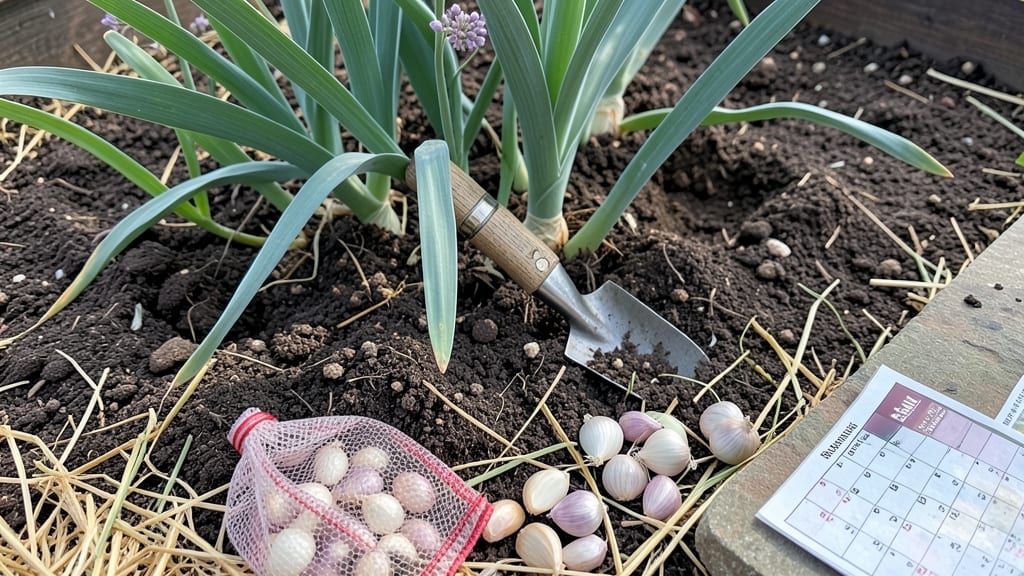
Planting garlic in New Jersey at the wrong time can mean the difference between a bountiful harvest and a disappointing one. With the 🧄 season kicking off in fall, timing is everything—especially when choosing between hardneck and softneck varieties, each with their own ideal schedule.
If you’ve ever wondered why some gardeners swear by October plantings while others wait until November, it all comes down to New Jersey’s unique climate and frost patterns.
The key is planting 4-6 weeks before the ground freezes, but getting that window just right ensures your garlic develops strong roots before winter sets in.
In this guide, I’ll break down the best planting months for each type of garlic, share soil prep tips tailored to NJ’s 6a-7b zones, and walk you through the exact steps to maximize your harvest.
Whether you’re a first-time grower or a seasoned gardener, these insights will help you avoid common mistakes and grow the best garlic possible.
Ready to turn your garden into a flavorful harvest? Let’s get started with the perfect planting schedule for your 🧄 this fall.
Best planting months for garlic in New Jersey by variety type
New Jersey’s USDA zones 6a-7b create a unique window for garlic planting, where timing directly impacts bulb size and flavor. Hardneck varieties (like Music or German White) need a cold period to form bulbs, while softneck varieties (such as Silverskin) are more flexible but still benefit from fall planting.
Let’s break down the ideal months for each type in NJ’s climate.
For hardneck garlic, the optimal planting window is between mid-October and early November. This gives plants enough time to establish roots before the ground freezes (typically mid-November in most of NJ).
Planting too early (before September 15) risks premature sprouting, while waiting until December may result in weak root development.
Softneck garlic, however, offers more flexibility. You can plant from October through December, but the earliest window (October) still yields the largest bulbs. Coastal areas (like Cape May) may push planting into early January due to milder winters, while inland zones (like Morris County) should stick to October-November for best results.
⚠️ Critical Note: Avoid planting after the first hard frost, as garlic won’t tolerate frozen soil. Use a soil thermometer to ensure temperatures stay above 40°F for root establishment.
| Variety Type | Best Planting Window (NJ) | Key Considerations | Bulb Maturity |
|---|---|---|---|
| Hardneck (e.g., Rocambole, Purple Stripe) | Mid-October to Early November | Needs cold vernalization (40-50°F for 60+ days). Avoid coastal delays. | Late June - Early July |
| Softneck (e.g., Silverskin, Artichoke) | October - December (coastal: Jan) | More flexible timing. Store better long-term but smaller bulbs if planted late. | July - August |
| Both Types | Avoid planting after first hard frost | Soil temp must stay above 40°F for root growth. Use mulch (straw) to protect overwinter. | N/A |
If you’re in Northern NJ (Zone 6a), prioritize planting by October 15 to ensure roots establish before winter. In Southern NJ (Zone 7b), you can extend planting into early December, but bulbs may be smaller.
For coastal areas, milder winters allow planting into January, but hardnecks won’t form scapes (the flavorful flower stalks).
Pro tip: Break apart garlic bulbs into individual cloves right before planting. Use the largest cloves for the best-sized harvest next year. Discard any cloves that are soft, shriveled, or moldy—these won’t sprout well.
Once planted, mulch heavily (4-6 inches of straw) to insulate roots from freeze-thaw cycles common in NJ winters. This protects garlic from heaving (when soil expands and contracts, pulling bulbs out of the ground). Remove mulch in early spring to allow soil warming for growth.
For spring planting (a backup option), you can try planting in March, but bulbs will be smaller and less flavorful. This method works best for softneck varieties and is only recommended if you missed the fall window.
Remember: Patience pays off. Garlic planted in October will reward you with large, flavorful bulbs by July, while late plantings may yield smaller, less robust harvests. Mark your calendar now—your future meals depend on it! 🧄
Best planting months for garlic in New Jersey by variety type
New Jersey’s USDA zones 6a-7b create a perfect window for planting garlic, but the timing depends on whether you’re growing hardneck or softneck varieties. Hardnecks thrive when planted in fall (October-November), while softnecks offer a slightly longer window, including early winter (December).
The key is to plant 4-6 weeks before the ground freezes—typically mid-November for most of NJ.
For hardneck garlic, the ideal planting window is mid-October to early November. This gives the cloves time to establish roots before winter dormancy.
In cooler northern NJ (zone 6a), aim for the earlier end of this window, while warmer southern NJ (zone 7b) can stretch it slightly later. Hardnecks need cold stratification to form bulbs, so don’t plant after the ground freezes.
Softneck garlic, like Silverskin or Artichoke varieties, is more flexible. You can plant them from October through December, but the best results come from October-November plantings. Softnecks don’t require cold stratification, making them a good choice if you miss the hardneck window. However, planting after mid-December risks poor bulb development.
🌱 Garlic Planting Timeline for New Jersey
| Variety | Best Planting Window | Key Consideration |
|---|---|---|
| Hardneck (e.g., Music, German White) | Mid-October to early November | Needs cold stratification; plant before ground freezes |
| Softneck (e.g., Silverskin, Artichoke) | October through December | More flexible; can handle slight winter delays |
If you’re in coastal NJ (e.g., Cape May, Atlantic City), where winters are milder, you might push softneck plantings into early January. However, inland areas (e.g., Newark, Trenton) should stick to the October-November window to avoid winter damage.
Always check your last frost date—planting too late can lead to weak bulb formation.
Pro tip: Break your garlic bulbs into individual cloves just before planting. Larger cloves yield bigger bulbs, but even small ones will grow if planted correctly. Store cloves in a cool, dry place until planting day to maintain viability.
Once planted, mulch with 2-3 inches of straw to insulate the soil and protect cloves from freeze-thaw cycles. This is especially critical in zone 6a, where temperatures can drop sharply. Mulching also suppresses weeds and retains moisture—both crucial for early root development.
Remember, garlic planted in fall will produce summer harvests (June-July). If you miss the fall window, you can try a spring planting (March-April), but bulbs will be smaller and less flavorful. For the best results, stick to the fall schedule and enjoy plump, robust garlic all season.