
Plants
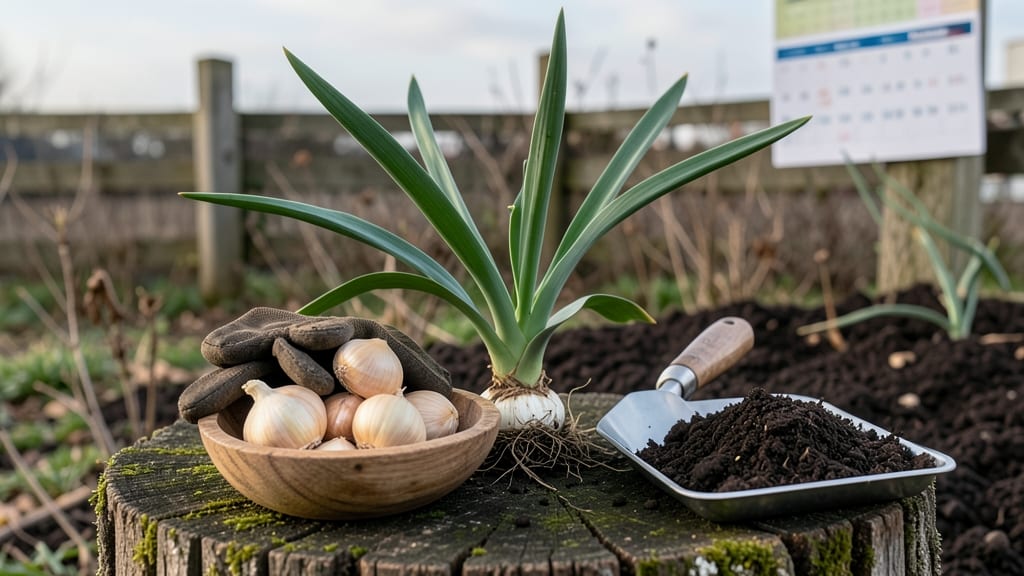
Timing your garlic planting in Pennsylvania just right could mean the difference between a thriving crop of 🧄 and a disappointing harvest.
If you've ever wondered why some gardeners swear by fall planting while others try spring, the answer lies in understanding your local climate—and Pennsylvania's diverse zones make it especially important to get it right.
Most gardeners in zones 5b-7a know that fall is the golden window for planting garlic, typically between October and November. But here's the catch: planting too early can trigger premature sprouting, while waiting too late risks weak root development before winter sets in.
I'll break down exactly when to plant for both hardneck and softneck varieties, so you can avoid these common pitfalls.
What you'll discover is that Pennsylvania's average first frost (around October 15) serves as your planting deadline—aim to get cloves in the ground 4-6 weeks before that date.
We'll also cover how soil temperatures and regional microclimates can shift your ideal window by weeks, giving you the precise timing tailored to your corner of the state.
Whether you're a seasoned gardener or just starting with garlic, these insights will help you plan for a harvest ready to roll in July or August of next year. Let's make sure your garlic gets the perfect start—because in Pennsylvania, timing truly is everything.
Best months to plant garlic in Pennsylvania by variety (hardneck vs softneck)
Pennsylvania’s USDA zones 5b-7a create a unique challenge for garlic growers—timing isn’t one-size-fits-all. Most gardeners here focus on fall planting (October-November), but softneck varieties offer a second chance in early spring. The key? Understanding your local frost dates and garlic type.
Hardneck garlic (Artichoke, Rocambole, Porcelain) thrives with cold vernalization—they need winter chill to form bulbs. Softneck (Silverskin, Artichoke) is more flexible but still benefits from fall planting.
In Pittsburgh (Zone 6b), aim for mid-October planting, while Erie (Zone 6a) can wait until late October.
Here’s how Pennsylvania’s diverse climate zones affect your planting window:
| Variety | Best Planting Months | Key Notes for PA | USDA Zones |
|---|---|---|---|
| Hardneck (e.g., Music, German Red) | October 1–November 15 | Plant 4-6 weeks before frost; needs cold winter for bulb formation | 5b–7a |
| Softneck (e.g., California Early, Inchelium Red) | October 1–November 15 or March 1–April 15 | Fall planting preferred; spring option works in Zone 7a+ | 6a–7a |
| Elephant Garlic (Giant Garlic) | October 15–November 10 | Treat like hardneck; needs longer growing season | 5b–6b |
For Zone 5b gardeners (e.g., Scranton, Altoona), prioritize hardneck varieties planted by October 15. In Zone 7a (e.g., Philadelphia, Harrisburg), you can push fall planting to November 1 or try spring planting for softnecks.
Pro tip: Use mulch (straw or leaves) after planting to insulate bulbs during PA’s unpredictable winters. This protects roots from freeze-thaw cycles that can damage emerging shoots in spring.
If you’re new to garlic growing, hardneck varieties are the easiest for Pennsylvania’s climate—they’re hardier and produce scape shoots (edible stems) as a bonus. Start with ‘German Red’ or ‘Music’ for reliable results.
Remember: Garlic planted in fall will harvest in July-August of the following year. Spring-planted softneck garlic (if attempted) will harvest by late summer—but yields may be smaller due to shorter daylight.
For a second crop, some Pennsylvania gardeners plant softneck garlic in early March—but this only works in warmer microclimates (Zone 7a+) with well-draining soil.
🌱 Whether you’re a beginner or experienced grower, Pennsylvania’s fall planting window is your best bet for large, flavorful bulbs—just don’t wait until December!
Critical factors that determine your garlic planting window in PA
Pennsylvania’s diverse climate means your garlic planting window depends on more than just calendar months—soil temperature, frost dates, and even microclimates play starring roles. For hardneck varieties, the sweet spot is when soil hits 40-50°F and stays there, usually October in most of PA.
But if you’re in Zone 5b (like Erie), you might push it to early November.
Softneck garlic is more flexible, tolerating slightly warmer soils (50-55°F), which can extend your window into early December in milder areas like Pittsburgh or Philadelphia. The key is planting 4-6 weeks before hard frost, which varies 10-14 days across PA’s regions.
Don’t overlook microclimates—a south-facing slope or urban heat island can push your window 1-2 weeks later than official frost dates suggest. Use a soil thermometer ($10 at garden centers) to confirm readiness before planting.
| Factor | Pennsylvania Specifics | Actionable Tip |
|---|---|---|
| Soil Temperature | 40-50°F (hardneck), 50-55°F (softneck) | Test with a thermometer at 6" depth |
| First Frost Date | Oct 15 (varies by region) | Plant 4-6 weeks before frost |
| Microclimates | Urban areas: +1-2 weeks | Observe local frost patterns |
| Garlic Type | Hardneck: Oct-Nov; Softneck: Oct-Dec | Adjust for your variety |
Pro tip: Check Pennsylvania’s USDA Plant Hardiness Map for your exact location—even within the same county, frost dates can shift 5-7 days. For example, State College (Zone 6a) typically plants 2 weeks earlier than Scranton (Zone 5b).
If you’re spring-planting softneck (rare in PA but possible), aim for early March when soil warms to 50°F. Just know yields will be 30-40% smaller than fall-planted garlic. For most gardeners, sticking to fall planting guarantees the best results.
Remember: Garlic needs cold stratification to form bulbs, so winter dormancy is non-negotiable. If you plant too late, roots won’t establish before freezing, and your crop will fail. Use this two-step check: 1) Soil temp < 50°F, 2) 6+ weeks until hard frost.