
Plants
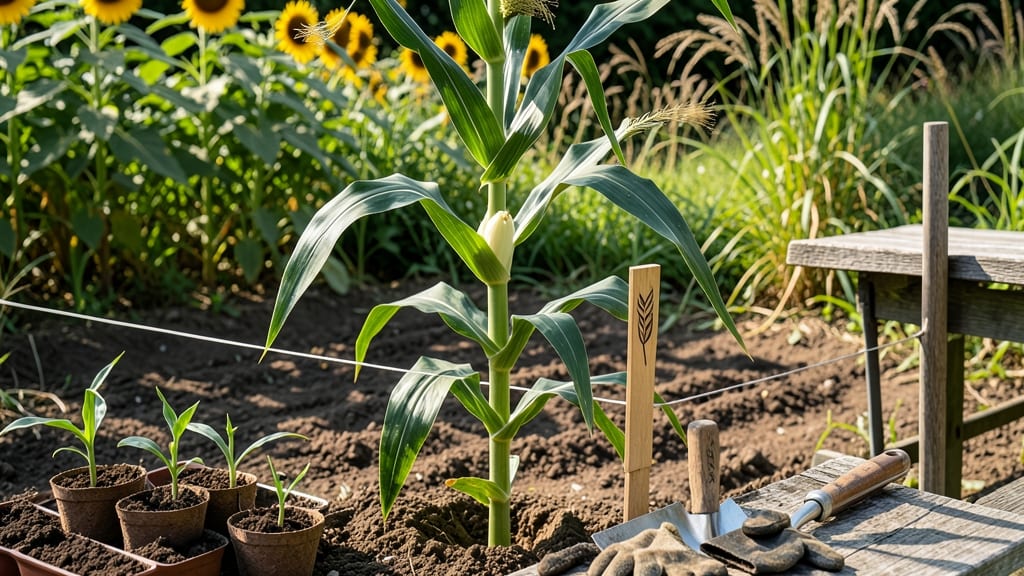
Planting corn at the wrong time in Washington State could mean the difference between a golden harvest of 🌽 and a sad, stunted disappointment.
Unlike other crops, corn thrives when planted after the soil warms to 60°F—and that timing shifts dramatically from the rainy Puget Sound to the dry Columbia Basin.
In Western WA (zones 7b-9a), you’ve got a narrower window—typically mid-April to early May—while Eastern WA’s 5b zone can stretch planting until early June. The key? Waiting for the last frost (which hits mid-April in Spokane but lingers until early May near Seattle) and checking soil temps.
This isn’t just about dates—it’s about matching your corn variety to your microclimate. Early-season types like ‘Golden Bantam’ work for coastal gardeners, while heat-tolerant varieties suit the high desert. Get it right, and you’ll have ears ready by July; get it wrong, and you’ll be chasing frost again.
I’ll break down the exact frost-free dates by elevation, soil prep tips, and how to adjust for Washington’s wild weather swings. Let’s make sure your corn gets the perfect start—because in this state, timing is everything.
Washington State corn planting dates by elevation Zone
Washington’s diverse climate means corn planting times vary dramatically between regions. Coastal areas like Seattle (USDA Zone 8b-9a) have longer growing seasons, while high-desert zones like Yakima (Zone 5b-6a) face earlier frosts.
Timing is critical—plant too early, and frost will kill seedlings; too late, and harvest yields suffer. Here’s your zone-by-zone planting guide for sweet corn, dent corn, and popcorn varieties.
Most Washington gardeners plant corn in late spring, but exact dates depend on elevation, microclimates, and soil temperature. A general rule: wait until soil reaches 60°F (15°C) and the last frost date has passed.
In Western WA, this is typically mid-April to early May, while Eastern WA may delay until late May. Always check your local frost dates—tools like the National Weather Service or WA State University Extension provide reliable data.
Soil temperature is just as important as frost dates. Corn seeds won’t germinate below 50°F (10°C), and growth stalls below 60°F (15°C). Use a soil thermometer to confirm readiness. In cooler zones (e.g., Mount Rainier or San Juan Islands), opt for cold-tolerant varieties like ‘Early Sunglow’ or ‘Golden Bantam’, which can handle slightly cooler soils.
Coastal WA (Zones 8b-9a): Plant mid-April to early May. The mild winters and long summers allow for two plantings—one in April and another in early June for a fall harvest. Example: Seattle averages a last frost of April 15, so April 20 is a safe start date.
Western WA (Zones 7b-8a): Aim for late April to early May. Areas like Olympia or Bellingham have cooler summers than Seattle, so earlier-maturing varieties (e.g., ‘Silver Queen’) are ideal. Plant after May 1 if nights are still below 50°F (10°C).
Eastern WA (Zones 5b-6a): Delay until late May to early June. The high desert (e.g., Yakima, Walla Walla) has hot days and cold nights, so fast-growing varieties like ‘Peaches & Cream’ (65-day maturity) work best. Start seeds indoors in April for a head start.
Mountainous Regions (Zones 4b-5a): Plant late May to early June. Areas like Leavenworth or Snoqualmie Pass have shorter seasons and cooler soils. Choose short-season varieties (e.g., ‘Ambrosia’, ‘Bodacious’) with maturity under 80 days. Use black plastic mulch to warm soil faster.
| Zone | Last Frost Date | Planting Window | Soil Temp Goal | Best Varieties |
|---|---|---|---|---|
| Coastal WA (8b-9a) | Mid-April | Mid-April–Early May | 60°F (15°C) | Silver Queen, Golden Bantam |
| Western WA (7b-8a) | Late April | Late April–Early May | 60°F (15°C) | Early Sunglow, Peaches & Cream |
| Eastern WA (5b-6a) | Early May | Late May–Early June | 65°F (18°C) | Bodacious, Ambrosia |
| Mountainous (4b-5a) |
How to adjust corn planting for Washington’s microclimatesWashington’s microclimates can shift corn planting windows by weeks or even months. Coastal areas like Seattle (Zone 7b-8a) enjoy milder springs, while Yakima (Zone 5b-6a) faces earlier frosts. Understanding these variations helps you avoid late-spring frosts or summer drought stress. Start by checking your local last frost date—not just the USDA zone average. For example, Bellingham’s last frost typically occurs around April 15, while Spokane’s can linger until May 10. Use NOAA frost maps or local extension office data for precision. For early spring planting (March-April), choose cold-tolerant varieties like ‘Early Sunglow’ or ‘Golden Bantam’. These can handle 45°F soil temps and light frost exposure better than standard sweet corn. Plant in warm microclimates like south-facing slopes or near buildings first. In high-desert regions (e.g., Walla Walla, Zone 6b-7a), prioritize early planting (late April) to escape summer heat stress. Use drip irrigation to maintain consistent soil moisture—drought here can stunt growth by 30%. Coastal gardeners can push planting to early June for fall harvests, but ensure 120+ frost-free days. For example, Port Townsend (Zone 8a) can grow late-season varieties like ‘Peaches and Cream’ safely until July 15 planting. Pro tip: Use row covers for 2-3 weeks post-planting to protect seedlings from unpredictable late frosts. Remove covers once plants reach 6 inches tall to avoid overheating. Monitor soil temperature with a soil thermometer—corn germinates best at 60°F+. If temps dip below 55°F, delay planting or use black plastic mulch to warm the soil faster. 🌱 Key Adjustments for Washington Microclimates
If you’re unsure about your microclimate, observe nearby fruit trees like apples or cherries—they thrive in similar conditions. For example, cherry trees in Wenatchee signal safe planting by May 1. Remember: Corn needs 6–8 hours of sun daily, so avoid planting in shady microclimates like dense woodlands. Even a 10% reduction in sunlight can cut yields by 20%. |