
Plants
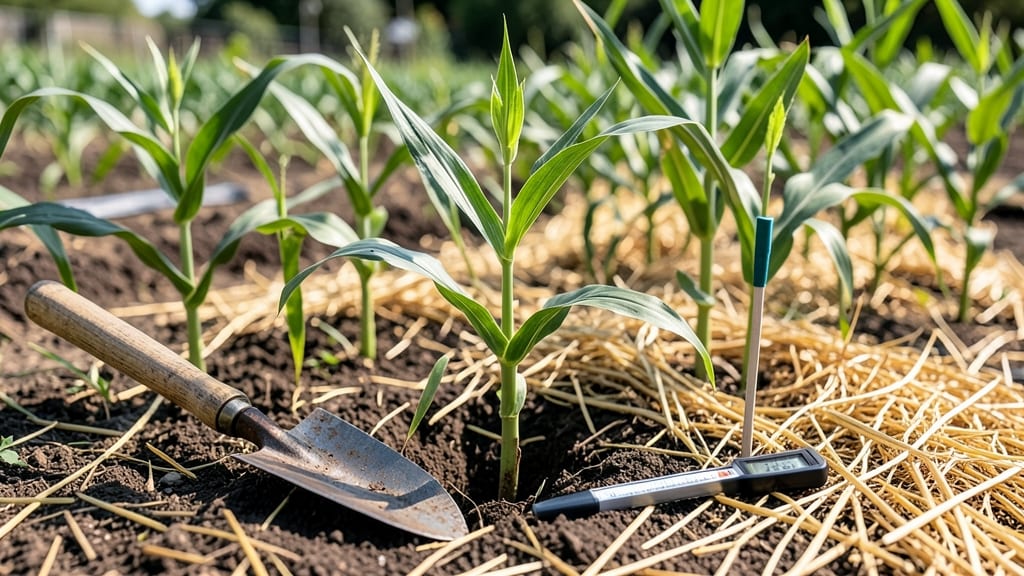
Timing your 🌽 corn planting in Western Washington can mean the difference between a bumper crop and wasted seeds—because the 8a zone’s cool springs demand precision. Plant too early, and frost will nip tender sprouts; too late, and your harvest arrives when summer’s already fading.
The sweet spot? Mid-April to early May, when soil warms to 50°F and frost risk fades.
Here’s the kicker: coastal areas like Puget Sound may need a 2-week head start compared to inland valleys, where heat arrives faster. I’ll break down exactly how to read your microclimate’s signals—so you’re not guessing whether to plant now or wait.
You’ll also discover which corn varieties handle Western Washington’s short season best, plus pro tips for extending your harvest window. Whether you’re a first-time gardener or a veteran grower, these insights will help you avoid the most common mistakes.
Let’s get your corn off to the right start—so you’re pulling sweet, plump ears from late July through September instead of scratching your head in frustration.
Best planting windows for corn in Western Washington’s climate zones
Corn thrives in Western Washington’s USDA Zones 7-9, but the cool, damp springs and short growing season demand precise timing. Aim to plant between mid-April and early May when soil temperatures hit 50°F+—this ensures strong germination before summer heat arrives.
Coastal areas like the Puget Sound may start slightly later due to slower soil warming.
Use your local last frost date (typically March 15 in most areas) as a guide, but don’t rush—corn seeds won’t sprout below 50°F.
Inland valleys like Yakima can plant 1-2 weeks earlier thanks to warmer soils, while high-elevation spots near the Cascades should delay until late April to avoid frost.
For sweet corn varieties like 'Golden Bantam' (60 days) or 'Ambrosia' (75 days), time planting so ears mature between late July and September. Early varieties like 'Early Sunglow' (65 days) are safer bets for coastal gardeners with cooler summers.
🌱
To check soil temperature, bury a soil thermometer 2 inches deep in a shady spot. If it reads below 50°F, wait—corn seeds need warmth to germinate reliably. I’ve learned the hard way that rushing leads to poor germination or weak stalks.
For direct sowing (recommended for corn), plant seeds 1-1.5 inches deep and 4-6 inches apart in rows spaced 30-36 inches apart. This spacing gives plants room to grow tall (6-10 feet!) and prevents cross-pollination issues if growing multiple varieties.
If you’re transplanting starts, do so when seedlings have 3-4 true leaves and soil is 60°F+. Harden off seedlings for 5-7 days before transplanting to avoid shock. I’ve had success with biodegradable pots to minimize root disturbance.
💧
Pro tip: Use a planting calendar like the Washington State University Extension’s to track local frost dates and soil conditions. They offer free, region-specific planting guides tailored to Western Washington’s quirks.
Finally, consider succession planting every 2 weeks through early June for a staggered harvest. This works especially well for short-season varieties like 'Silver Queen' (70 days), ensuring you get multiple harvests before fall frost.
Best planting windows for corn in Western Washington’s climate zones
Western Washington’s USDA Zone 8a climate demands precise timing for corn—plant too early and risk frost damage, too late and ears won’t mature before fall. The ideal window is mid-April to early May, when soil temps hit 50°F+ and frost danger passes.
For Puget Sound areas, this might shift to late April due to cooler coastal conditions.
Corn needs 165 frost-free days to mature, so calculate your last frost date (typically March 15) and count backward. Most sweet corn varieties like 'Golden Bantam' (75 days) or 'Ambrosia' (85 days) fit this timeline, but dent corn (like 'Country Gentle') can stretch to 100 days for late harvests.
🌱 Key Rule: Wait until soil reaches 50°F at 1-inch depth—use a soil thermometer to avoid guesswork. Cold soil slows germination, leading to patchy stands. For early starts, use black plastic mulch to warm soil faster.
| Zone/Region | Planting Window | Soil Temp Threshold | Frost Risk |
|---|---|---|---|
| Puget Sound (Coastal) | Late April–Early May | 50°F+ | Moderate (cooler microclimates) |
| Inland Valleys (Yakima) | Mid-April–Late April | 50°F+ | Low (warmer springs) |
| Cascade Foothills | Early May–Mid-May | 55°F+ (cooler soils) | High (late frosts) |
For transplanting seedlings, aim for 4–6 weeks after sowing, but direct-sowing is better—corn roots hate disturbance. Space seeds 1–1.5 inches deep and 4–6 inches apart in rows 30–36 inches apart to ensure cross-pollination (corn needs neighbors!). Use starter fertilizer at planting for faster emergence.
If you miss the spring window, try late-June planting for short-season varieties like 'Peaches and Cream' (70 days). However, harvests will be smaller and later, risking fall frost. Always mulch heavily to retain warmth and moisture—critical for ear development in Western Washington’s cool summers.
Pro tip: Plant a test row 2 weeks early to gauge soil warmth. If seedlings emerge in 7–10 days, your main planting is safe. If not, wait another week. Patience here prevents stunted plants and poor yields.