
Plants
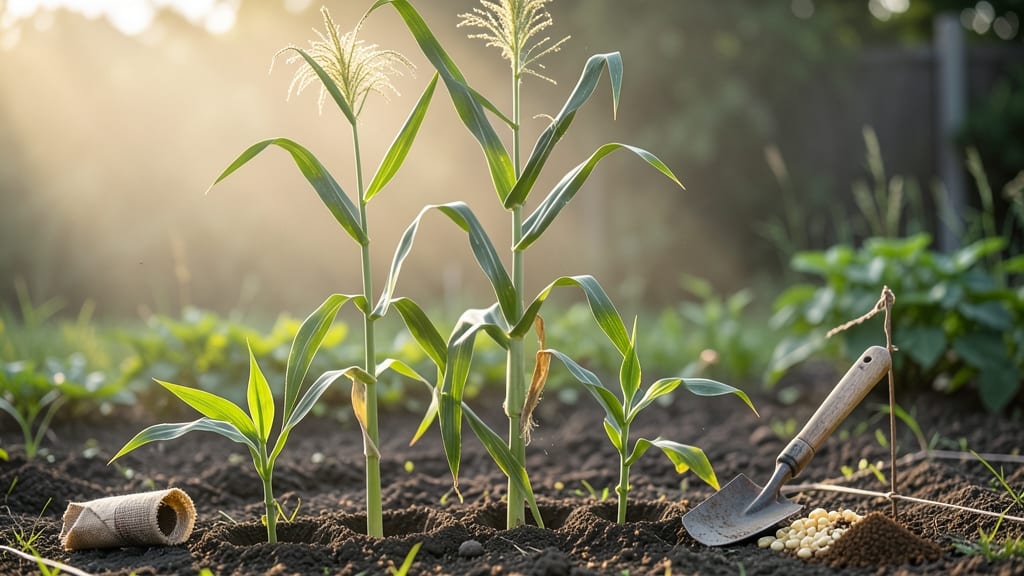
Planting corn in Vermont at the wrong time can mean the difference between a bountiful harvest and a disappointing flop—especially when frost dates shift yearly. The 5a-6a zone’s short growing season demands precision, and waiting too long risks stunted growth or even total crop failure.
Most gardeners know to plant after the last frost, but Vermont’s unpredictable weather adds complexity. With soil needing to reach 50°F and frost lingering until mid-May, timing isn’t just about dates—it’s about watching for those critical signs that say, “Now’s the moment.”
In this guide, I’ll break down the exact window (mid-April to early June) based on frost data, soil temps, and Vermont-specific varieties like ‘Golden Bantam.’ You’ll also learn how to adjust for late starts or microclimates that can shift your schedule by weeks.
Whether you’re a first-time grower or a seasoned farmer, these strategies will help you maximize your 🌽 harvest—no matter what Mother Nature throws your way.
Vermont zone 5B corn planting timeline: exact dates by frost risk
Timing your corn planting in Vermont hinges on two critical factors: soil temperature and last frost dates. Most of Vermont falls under USDA Zone 5B, where the last spring frost typically arrives between May 10–20.
However, this window can shift dramatically—like in 2020, when a late-May frost hit hard. Aim to plant 1–2 weeks after your average last frost date to avoid seedling damage.
For sweet corn varieties, the ideal planting window stretches from mid-April to early June. Field corn, which matures slower, should go in by late May at the latest. Soil must reach at least 50°F—cold soil delays germination, leaving seedlings vulnerable to frost.
Use a soil thermometer to confirm readiness, especially in cooler microclimates like the Northeast Kingdom.
| Planting Window | Soil Temp Requirement | Last Frost Risk | Vermont Varieties |
|---|---|---|---|
| Mid-April | 50°F+ | High (plant in containers) | Golden Bantam (70 days) |
| Late April | 55°F+ | Moderate (use row covers) | Ambrosia (80 days) |
| May 1–15 | 60°F+ | Low (ideal window) | Peaches & Cream (75 days) |
| May 15–31 | 65°F+ | Very Low (safe) | Silver Queen (85 days) |
| Early June | 70°F+ | None (late crop) | Early Sunglow (65 days) |
Vermont’s heat-unit requirements vary by variety. Sweet corn typically needs 1,200–1,500 growing degree days (GDD) to mature, while field corn demands 2,000+ GDD. Use the Vermont Climate Assessment tool to calculate your local GDD total—this helps avoid planting dwarf varieties too late in the season.
For example, ‘Golden Bantam’ matures in just 70 days, making it ideal for early or late plantings.
If you’re in Zone 5A (e.g., St. Johnsbury), err on the side of earlier planting (mid-April) to maximize your 165-day frost-free window. Conversely, Zone 6A gardeners (like those in Burlington) can afford to wait until late April without risking frost.
Always cross-reference with the Vermont Agricultural Weather Network for real-time updates on soil warmth and frost forecasts.
For succession planting, stagger seeds every 2 weeks from April through June. This ensures a continuous harvest and reduces the risk of bolting (when plants mature too quickly due to heat stress).
Space seeds 1–1.5 inches deep and 4–6 inches apart in rows 30–36 inches wide—this spacing improves airflow and pollen transfer, critical for ear development.
Pro tip: Plant a test row of ‘Early Sunglow’
5 Critical factors that shift Vermont corn planting dates (and how to adjust)
Vermont’s Zone 5B climate throws curveballs like late frosts or microclimates that can shift your ideal planting window by weeks. Understanding these 5 critical factors helps you adjust timing to avoid stunted plants or wasted seeds. Let’s break down what to watch—and how to adapt.
First, soil temperature is non-negotiable. Corn seeds need 50°F+ soil to germinate reliably. In Vermont, this usually aligns with late April to early May, but cold, wet springs (like 2021’s) can delay it until mid-May. Use a soil thermometer to confirm—don’t guess!
Last frost dates are the next hurdle. While the average May 10–20 window works for most of Vermont, northern regions like St. Johnsbury can see frost as late as May 25. Check the Vermont Weatherization Assistance Program’s frost maps or your local USDA Plant Hardiness Zone for precision.
Don’t overlook microclimates. A south-facing slope in Addison County might hit 50°F soil by April 20, while a valley in Bennington could wait until May 5.
Observe your yard: Sunny spots warm faster, so plant there first. If your garden is shaded, opt for dwarf varieties like ‘Golden Bantam’ (5–6 feet tall) to avoid stretching.
For late-spring cold snaps, Vermont’s 2020 Memorial Day frost serves as a cautionary tale. If your area has a history of late frosts, delay planting until June 1 and select 70-day varieties (e.g., ‘Peaches and Cream’).
Pair this with row covers for extra protection during tasseling. The trade-off? Smaller ears, but something is better than nothing.
Finally, seedling vigor matters. Slow germination in cold soil? Soak seeds overnight in lukewarm water for 6–12 hours before planting. For extra insurance, use row covers once seedlings emerge to accelerate growth. Vermont’s short season demands every advantage—don’t skip these tricks!