
Plants
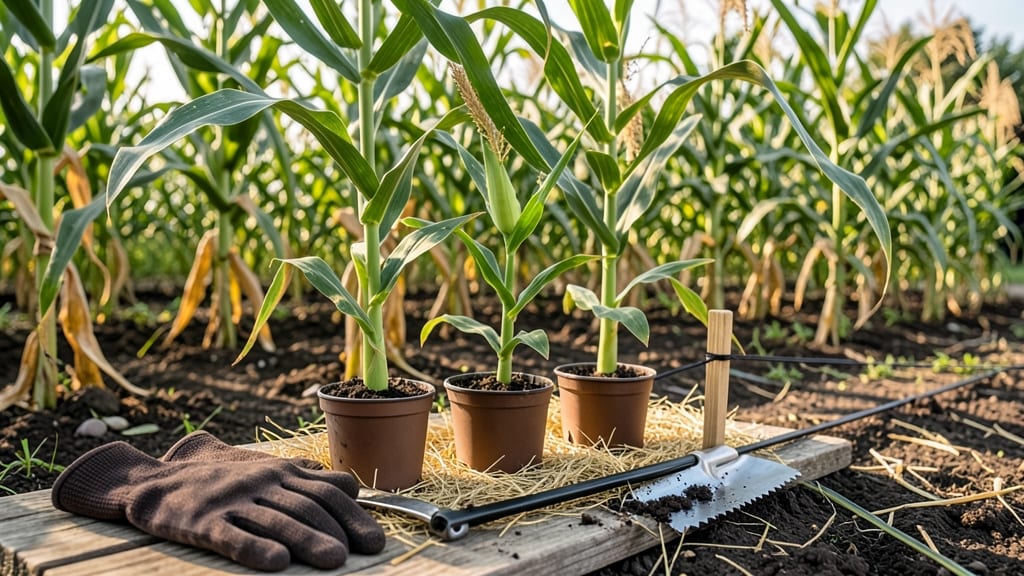
Planting corn in Zone 9b’s scorching summers isn’t just about throwing seeds into the dirt and hoping for the best—it’s about working with the heat to grow sweet, juicy 🌽 instead of tough, dry stalks.
The key? Timing your planting to avoid the worst of the 110°F+ temperatures while still giving your corn enough cool-season growing power.
Most gardeners in Phoenix or the Southern California desert make one big mistake: waiting too late to plant. By the time they realize, the soil’s already baked, and their corn struggles to germinate.
But here’s the secret—Zone 9b’s mild winters mean you’ve got a 60-day window in late winter to early spring (February–March) where soil temps hit that sweet 60°F mark, perfect for germination without overheating.
In this guide, I’ll break down the exact planting schedule, the best heat-resistant corn varieties for your climate, and how to adjust your care routine to beat the desert sun.
Whether you’re a first-time gardener or a seasoned grower, these tips will help you avoid the most common pitfalls and maximize your harvest.
Ready to grow corn that actually tastes fresh? Let’s dive into the optimal timing, soil prep, and heat-beating strategies that’ll have you pulling plump ears by summer—no guesswork required.
Optimal planting windows for Zone 9B corn to avoid heat stress
Zone 9B’s year-round warmth means corn thrives here—but only if planted at the right time. Unlike cooler zones, spring planting is your best bet, while fall planting risks heat stress before harvest.
The key? Start when soil hits 60°F and temperatures stay below 90°F during pollination. In Phoenix or coastal Southern California, that’s typically late February to early March for spring crops.
Why timing matters: Corn struggles when daytime temps exceed 95°F during pollination (silking stage). Plant too early, and cool soils delay germination. Too late, and ears develop hard, dry kernels instead of sweet, juicy ones.
Zone 9B’s lack of frost means no "last frost date" to guide you—soil temperature is your only rule.
For precision, use a soil thermometer to confirm 60°F+ at 4-inch depth. In inland desert areas (like Palm Springs), aim for mid-March to avoid April’s scorching heat. Coastal areas (like San Diego) can start 2 weeks earlier due to milder microclimates.
Pro tip: Succession plant every 2 weeks for continuous harvests. If you miss spring, a fall planting in late August might work—but only with fast-maturing varieties like ‘Early Sunglow’ (60 days). Most Zone 9B summers are too brutal for reliable fall corn.
Common mistake: Planting in May or June for a "summer crop." Corn planted then often bolts (sends up tassels) before ears form, leaving you with seed corn instead of sweet corn. The heat accelerates growth but skips critical development stages.
| Planting Window | Soil Temp | Risk Level | Best For |
|---|---|---|---|
| Late February - Early March | 60°F+ | Low (ideal) | Spring harvest (May-July) |
| Mid-March | 65°F+ | Moderate (desert areas) | Succession planting |
| Late August | 70°F+ | High (risky) | Fast varieties only |
| May - June | N/A (too hot) | Very High | Avoid (seed corn only) |
To calculate your exact window, check your local Almanac’s heat advisories for 90°F+ days. Plant corn so silking occurs before these heat spikes. For example, in Phoenix, avoid planting after March 15 unless you’re growing super-fast varieties (50-60 days).
Zone 9B’s long growing season is a gift—but only if you respect its heat limits. Corn needs 90-120 days to mature, so time it so ears fill out when temps dip below 85°F. Use shade cloth (30-50%) if daytime highs exceed 100°F during pollination.
For organic growers, add compost tea at planting to boost soil microbes, which help corn withstand heat stress. Conventional growers can use mulch (straw or black plastic) to keep roots cool. Both methods improve moisture retention, critical in Zone 9B’s dry summers.
Remember: Corn is a heavy feeder. Amend soil with aged compost 2-3 weeks before planting to ensure nutrients are available during rapid growth. In sandy soils (common in desert 9B), mix in peat moss or coconut coir to retain moisture.
If you’re new to Zone 9B gardening, start with one small patch to test your timing. Even experienced growers lose crops to heat stress—it’s not a matter of skill, but of respecting the climate. With the right window, you’ll harvest plump, sweet ears instead of tough stalks.
Optimal planting windows for Zone 9B corn to avoid heat stress
Zone 9B’s year-round warmth means corn thrives here—but only if planted at the right time. Unlike cooler zones, spring planting is your best bet, as summer’s 90°F+ heat stresses young plants.
Aim for late February to early April when soil temps hit 60°F+ and nights stay mild. This window ensures ears mature before monsoon rains or extreme heat set in.
Skip summer planting unless you’re growing super-fast varieties (like ‘Early Sunglow’, which matures in 60 days). Planting in June or July risks heat stress, where pollen dries out before fertilizing silks, leading to blind ears (ears with no kernels). Even then, use shade cloth to protect seedlings.
Here’s the critical timeline for Zone 9B:
| Planting Window | Soil Temp Threshold | Days to Maturity | Risk Level |
|---|---|---|---|
| Late February–Early March | 60°F+ | 90–110 days | Low (ideal) |
| Mid-March–Early April | 65°F+ | 75–90 days | Moderate (heat stress possible) |
| June–July (fast varieties only) | 70°F+ | 60–75 days | High (heat stress likely) |
Pro tip: Use a soil thermometer to confirm temps before planting. Corn seeds won’t sprout below 55°F, and roots struggle above 95°F. In Phoenix or Palm Springs, wait until March 15th+ to avoid early heat waves.
For coastal Zone 9B (like San Diego), February plantings work if nights stay above 50°F.
Succession planting is key in Zone 9B. Sow new seeds every 2 weeks from February to April to stagger harvests. This ensures a steady supply of fresh ears and maximizes your garden’s productivity. Just avoid planting after April 15th unless you’re using heat-tolerant hybrids and have shade solutions in place.
Watch for heat stress signs like yellowing leaves or drooping tassels. If temps hit 100°F+, provide afternoon shade and water deeply at dawn to keep roots cool. With the right timing, you’ll beat the heat and enjoy sweet, juicy corn all summer long.