
Plants
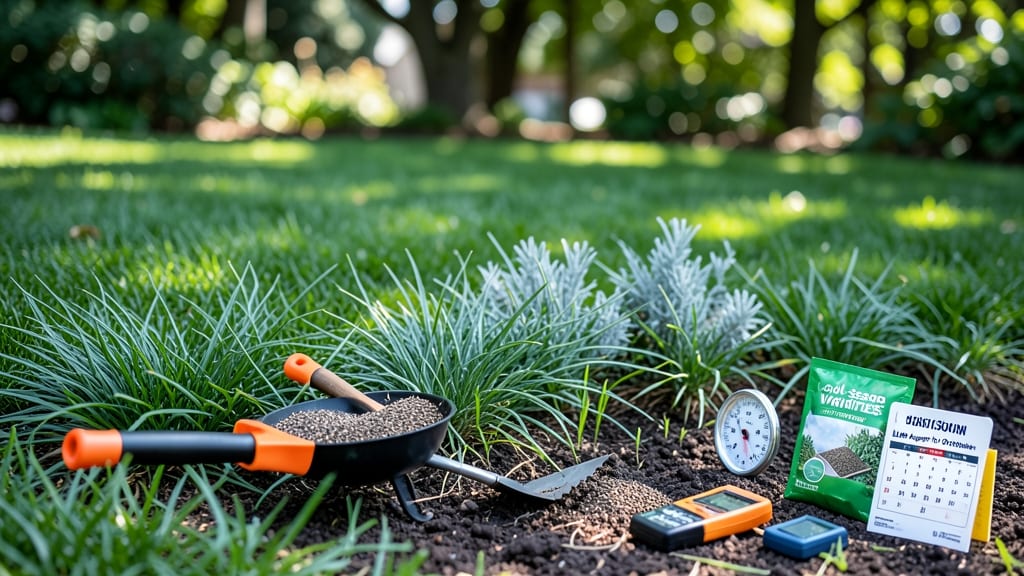
Planting grass in Massachusetts too late can turn your dream of a lush 🌱 lawn into a winter-killed disappointment—especially when frost sneaks in earlier than expected.
The 5b-6b zone means your last safe window is tighter than you think, and missing it could leave you with patchy, weak grass struggling to survive.
Most gardeners assume they have until October, but that’s a risky bet in Massachusetts. Even in coastal areas, the first frost can arrive by mid-October, leaving only a narrow margin for grass seed to germinate and root before winter sets in.
If you’re planting cool-season varieties like Kentucky bluegrass or tall fescue, timing is everything.
Don’t panic—there are ways to push your planting just a little further, like choosing cold-hardy seed blends or insulating the soil. But the real key is knowing your exact last safe date based on your region, whether you’re in Boston’s urban heat island or the cooler inland areas.
Let’s break down the numbers so you can plant with confidence.
In this guide, I’ll share the precise deadlines for fall planting in Massachusetts, plus pro tips to extend your window without risking winterkill. No more guesswork—just a thriving lawn that survives the season.
Massachusetts grass planting deadlines by region: last safe dates before frost risk
Massachusetts’ unpredictable fall weather makes grass planting deadlines tricky—coastal areas like Cape Cod stay frost-free longer than inland spots near Worcester. The last safe planting window depends on your USDA zone (5b-6b) and microclimate, but aim to finish by late September for most regions.
After that, frost risk skyrockets, and your seed may never germinate properly.
For cool-season grasses (like tall fescue or Kentucky bluegrass), the ideal late-season window is mid-August to early September. These varieties thrive in 50–65°F soil, so wait until daytime temps stay above 60°F consistently. Planting too early? Weeds take over. Too late? Frost kills seedlings before roots establish.
Here’s the hard truth: If you’re in western MA (zone 5b), stop planting by September 15. Coastal gardeners in zone 6b (e.g., Cape Cod) might squeeze in seed until October 1, but only with cold-hardy varieties and soil insulation.
After these dates, your grass seed is fighting a losing battle against early frost and dormant soil.
| Region | USDA Zone | Last Safe Planting Date | Soil Temp Requirement | Frost Risk After |
|---|---|---|---|---|
| Coastal (Cape Cod, Nantucket) | 6b | October 1 | 50–65°F | October 15 |
| Metro Boston | 6a | September 25 | 50–65°F | October 10 |
| Western MA (Worcester, Springfield) | 5b | September 15 | 50–60°F | October 1 |
| Northern MA (Greenfield, Pittsfield) | 5a | September 1 | 45–55°F | September 25 |
Pro tip: Use the “6-8 week rule” for fall planting. Count backward from your average first frost date (mid-October for most of MA) to determine your last planting window.
For example, if frost hits October 15, plant by September 1 to give seedlings 6 weeks to establish roots before dormancy.
Soil temperature is your secret weapon against late-season failure. Use a soil thermometer to confirm temps are 50°F+ at a 4-inch depth. Cold soil slows germination to a crawl—even cold-hardy varieties like fine fescue struggle below 45°F.
If your soil is below 50°F, wait or use row covers to warm it.
Don’t assume “hardy” = “frost-proof”. Even cold-tolerant grasses need 4–6 weeks of growth before frost hits. If you plant September 20 in zone 5b, your seedlings will be 2
How to extend your grass planting window: 3 proven strategies to delay frost damage
Massachusetts’ fall weather is famously unpredictable—one day it’s warm enough for shorts, the next, frost clings to your lawn like a stubborn weed. If you’re staring at your empty yard in late September wondering if you can still plant grass, don’t panic.
With the right strategies, you can push your planting window 2-4 weeks later than the typical cutoff. The key? Choosing cold-hardy varieties, insulating your soil, and leveraging microclimates to trick Mother Nature into giving your grass a fighting chance.
First, let’s address the elephant in the yard: cool-season grasses like tall fescue and fine fescue are your best bets for late planting. These varieties tolerate 32°F (0°C) temperatures and can even germinate in 50°F (10°C) soil, which is often still possible in early October for coastal areas.
Inland regions? Aim for mid-September as your absolute deadline, but with insulation, you might squeeze in a few more weeks of growth.
Here’s the game-changer: soil insulation. A thick layer of straw mulch (3–4 inches) or leaves acts like a blanket, keeping the soil 5–10°F warmer than ambient air temperatures. This buys your grass seed critical germination time before frost sets in.
Pro tip: Use unshredded leaves—they trap warmth better than shredded versions. Just avoid piling them directly on seedlings, which can smother them.
Don’t overlook the power of microclimates. A spot near your south-facing garage or under a dense evergreen tree can stay 5–10°F warmer than the rest of your yard. These pockets of warmth extend your planting window by 1–2 weeks.
Just avoid planting near large deciduous trees, which drop leaves that can smother seedlings or create shady spots where grass struggles to thrive.
Finally, if you’re pushing the envelope, overseed in early spring to fill in any gaps. Even if your fall planting doesn’t establish fully, a March overseeding can jumpstart growth when soil temperatures rise.
Think of it as a safety net—your lawn might not be perfect by winter, but with these strategies, you’ll have a head start come spring.
Remember: The goal isn’t to cheat frost entirely but to maximize germination time before winter sets in. With the right seed, insulation, and a little strategic planting, you can turn your late-season lawn dreams into reality—even in Massachusetts’ fickle climate. 🌱