
Plants
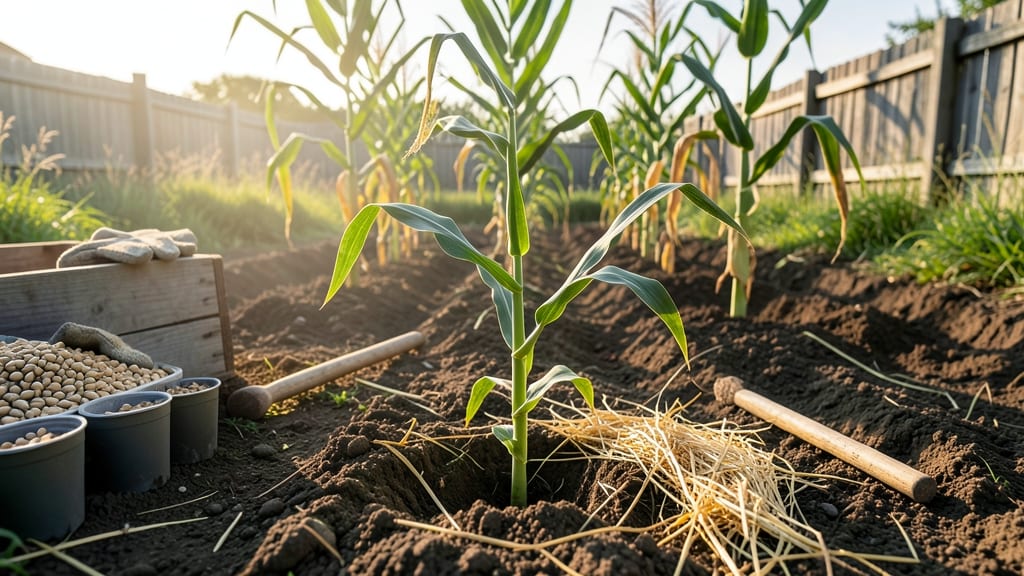
To plant corn in North Carolina at the perfect time means the difference between a bumper crop of sweet 🌽 or a sad, stunted harvest.
The April-June window is your golden opportunity, but timing varies by variety and microclimate—whether you're in the Piedmont's rolling hills or the Coastal Plain's warmer lowlands.
Getting it right means avoiding frost damage to tender seedlings while ensuring enough warm days for strong stalks. I’ve seen gardeners in Zone 7b struggle when they plant too early, only to watch their corn wilt under late spring chills.
The key? Waiting until soil reaches 60°F and counting backward from your first frost date.
Sweet corn lovers and starchy corn growers both need different strategies—early varieties for a July harvest or late-season types that stretch into October. I’ll break down exactly when to drop seeds for each, plus pro tips to extend your growing season if summer heat arrives early.
Ready to grow corn that rivals the best at farmers' markets? Let’s dive into the exact planting schedule that works for North Carolina’s climate, so you can enjoy fresh ears straight from your garden.
Optimal planting dates for corn in North Carolina’s Zone 7b
Timing your corn planting in North Carolina’s Zone 7b is critical for avoiding frost damage while maximizing yield. The last average frost date typically falls around mid-April in most Piedmont regions, but microclimates in the Coastal Plain may see frost as late as early May.
For sweet corn, which is most popular among home gardeners, I recommend starting seeds indoors 4-6 weeks before your last frost or directly sowing seeds 2-3 weeks after frost risk has passed.
Corn thrives in warm soil temperatures of at least 60°F (15°C), which is why I always wait until late April or early May to plant outdoors. Using a soil thermometer helps me confirm the right conditions—cold soil can stunt germination.
In the Mountains region (Zone 6b), I plant 2 weeks later than the Piedmont to avoid late spring frosts that can devastate young seedlings.
Here’s my go-to planting schedule for Zone 7b:
| Corn Type | Best Planting Window | Soil Temp Requirement | Days to Maturity | Notes |
|---|---|---|---|---|
| Sweet Corn (e.g., Silver Queen) | Late April - Early May | 60°F+ (15°C+) | 60-90 days | Plant in blocks, not rows, for better pollination |
| Field Corn (e.g., dent corn) | Early May - Mid-May | 65°F+ (18°C+) | 90-120 days | Tolerates slightly cooler soil; ideal for late-season harvests |
| Popcorn (e.g., Golden Bantam) | Mid-May - Early June | 60°F+ (15°C+) | 80-100 days | Plant later for smaller, sweeter ears; drought-tolerant |
For succeeding crops, I plant a second batch of short-season varieties (like Peaches and Cream) in early June to extend my harvest into early fall. This works well in the Coastal Plain, where the growing season lasts longer.
In the Piedmont, I stick to one planting in early May to avoid risking frost on late-season ears.
One trick I’ve learned is to use black plastic mulch to warm the soil faster in early spring. This lets me plant 1-2 weeks earlier without worrying about cold soil slowing germination.
Just lay the mulch down a week before planting and cut small holes for the seeds. The warmer soil speeds up sprouting and gives me a head start on the growing season.
If you’re in a warmer microclimate, like the Coastal Plain, you might even try an early April planting under row covers or in a greenhouse.
I’ve had success with supersweet varieties like Ambrosia when planted this early, as long as I’m ready to protect them from any unexpected late frosts.
Always check your local NC State Extension office for frost date updates, as microclimates can vary dramatically even within Zone 7b. For example, Asheville’s higher elevation may experience frost until May 10, while Raleigh’s Piedmont flatlands typically see their last frost by April 15.
Adjust your planting schedule accordingly to avoid frost damage to tender young plants.
Remember, corn needs consistent warmth to thrive, so I never rush planting. Waiting until the soil is truly warm—60°F+ for sweet corn—makes all the difference in germination rates and early growth. Patience in the early stages pays off with healthier, more productive plants later in the season.
🌽 For a foolproof method, I mark my calendar for May 1st as my default planting date in most of Zone 7b. This gives me a buffer for late frosts while ensuring I’m not planting too late for a full harvest before fall. With this approach, I’ve consistently grown 6-
How to adjust planting for sweet corn varieties vs. starchy corn
Sweet corn and starchy corn—like dent or flint corn—require different planting approaches in North Carolina’s Zone 7b. Sweet corn varieties like Silver Queen or Peaches and Cream mature faster (60–80 days), while starchy types need 90–120 days to reach harvest.
This means timing your planting window can make or break your yield.
Sweet corn thrives when planted early to mid-April in NC’s Piedmont region, where cooler soils delay germination. Starchy corn, however, benefits from late April to early May plantings to ensure enough frost-free days for full maturity.
The key difference? Daylength sensitivity—sweet corn responds to shorter days by sweetening faster, while starchy corn focuses on kernel development.
Sweet Corn vs. Starchy Corn: Planting Adjustments
Soil temperature is another critical factor. Sweet corn germinates well at 50°F, while starchy corn needs 60°F+ for consistent sprouting. In NC’s Mountain regions, wait until soil reaches 55°F for sweet corn to avoid rot. Use a soil thermometer—it’s the best way to avoid guessing!
For sweet corn, succession planting every 2 weeks from April to June ensures a steady harvest. Starchy corn, however, should be planted in one massive block to maximize pollination. Plant seeds 1–1.5 inches deep and 4–6 inches apart, with rows 30 inches apart for airflow and disease prevention.
Fertilizer needs also differ. Sweet corn benefits from high-phosphorus starter fertilizer (e.g., 5-10-10) to boost early root growth, while starchy corn thrives with balanced NPK (10-10-10) applied at planting and again when plants reach knee height. Side-dress with compost or aged manure during tasseling for both types.
Finally, watch for earworm pressure—sweet corn matures faster, so it’s often harvested before pests become a major issue. Starchy corn, however, may need row covers or early-morning harvesting to protect ears.
In NC’s humid summers, prioritize circulation by thinning seedlings to 12 inches apart once they’re 6 inches tall.