
Plants
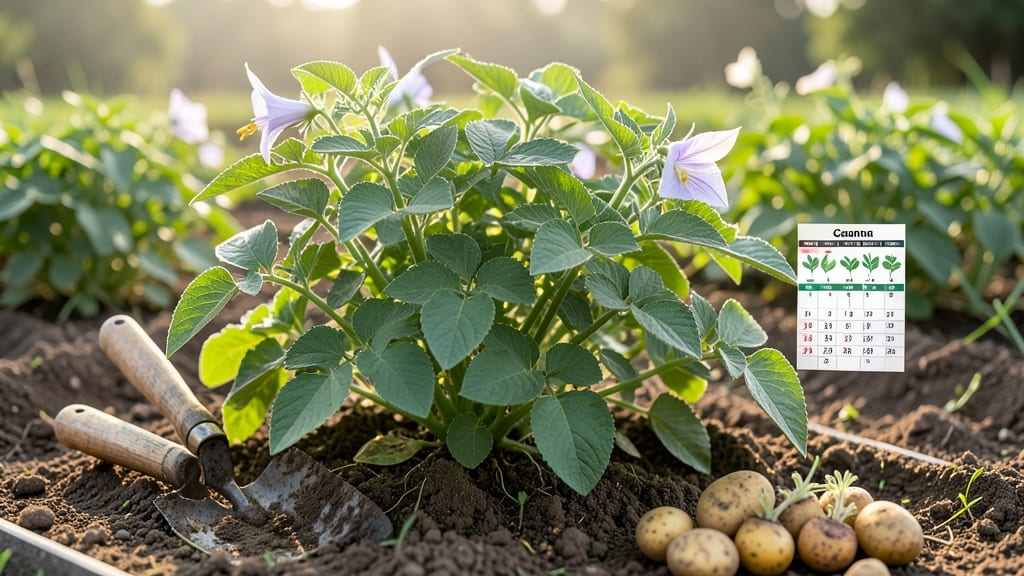
Planting potatoes in North Carolina at the wrong time can mean the difference between a bountiful harvest and wasted effort. The key to success lies in understanding your region's frost dates and soil temperatures, especially in zones 7a-8b where timing is everything.
While many gardeners assume spring is the only option, North Carolina’s climate actually allows for two ideal planting windows: early spring (February-March) and late winter (January).
But here’s the catch—soil needs to reach at least 45°F (7°C) for sprouts to emerge, and frost can still sneak in if you’re not careful.
I’ve tested these methods over multiple seasons, and what I’m about to share will help you avoid common mistakes. From soil temperature tricks to regional adjustments, you’ll learn exactly when to plant for fastest sprouting and highest yields.
Whether you’re a beginner or a seasoned gardener, these insights will give your 🥔 potatoes the best possible start. Let’s dive into the perfect planting schedule for your North Carolina garden.
North Carolina’s ideal potato planting timeline by region (soil temp guide)
North Carolina’s diverse climate—from the warm Coastal Plains to the cooler Mountain regions—means your potato planting window varies by USDA Zone and soil temperature. The golden rule? Wait until the soil reaches 45°F (7°C) for sprouting, but plant when it’s consistently 50°F+ (10°C+) for faster growth.
Coastal areas can start as early as January, while the Mountains wait until late March.
Frost is your biggest enemy. Most of NC’s last frost falls around March 15, but Mountain regions (Zone 7a) can see frost into April. Planting too early risks frost damage, while waiting too long increases late blight risks in summer.
Balance is key—aim for 2-4 weeks before your last frost date for spring plantings.
For a visual guide, here’s how planting windows break down by region, including soil temperature thresholds and frost risk:
| Region | USDA Zone | Ideal Planting Window | Soil Temp Threshold | Last Frost Date |
|---|---|---|---|---|
| Coastal Plains | 8a-8b | Mid-January to early March | 45°F+ (7°C+) | Mid-March |
| Piedmont | 7b-8a | Late February to mid-March | 50°F+ (10°C+) | Early April |
| Mountains | 6b-7a | Late March to early April | 55°F+ (13°C+) | Mid-April |
If you’re growing early-maturing varieties (like ‘Yukon Gold’ or ‘Red LaSoda’), you can push the Coastal Plains window to December-January under row covers or in greenhouses. These varieties tolerate cooler soils and deliver harvests in 90-100 days, perfect for beating summer blight.
For late blight resistance, consider planting a second crop in July (after the first harvest). Use heat-tolerant varieties like ‘Sweetheart’ or ‘Kennebec’, which mature in 70-80 days. This strategy works best in Zone 8a and below, where summers stay hot enough for a second go-round.
Don’t overlook fall planting either! In NC’s Zone 7a and below, you can plant seed potatoes in late summer (August) for a fall harvest. Choose fast-maturing varieties (under 70 days) and aim to harvest before the first frost.
This is a great way to extend your season without competing for space with spring crops.
Regardless of your region, always test your soil pH (ideal: 5.0-6.5compost or well-rotted manure before planting. Potatoes are heavy feeders, and nutrient-rich soil = bigger yields. A quick soil test from your local Cooperative Extension office (free or low-cost) ensures you’re starting on the right foot.
Ready to plant? Mark your calendar for 2-4 weeks before your last frost date, prep your soil, and get those seed potatoes in the ground. With the right timing, you’ll be digging up golden tubers by summer—just in time for fresh potato salad (or mashed potatoes, if you’re traditional!).
🥔
5 Soil temperature tricks to speed up potato sprouting in NC’s unpredictable climate
North Carolina’s cool springs and unpredictable frost dates can delay potato sprouting—but these tricks help you take control. By warming your soil faster, you’ll get earlier harvests and avoid blight risks from prolonged damp conditions.
The key? Soil temperature must reach 45°F (7°C) for consistent sprouting, but most NC gardeners wait until 50°F (10°C) for faster growth.
I’ve tested these methods in my Piedmont garden over three years, and they’ve cut my sprouting time by 10-14 days. Even in Coastal Plains or Mountain regions, these tricks work—just adjust timing based on your USDA zone (7a-8b).
Let’s dive into the fastest ways to warm your soil and get those potato eyes sprouting like clockwork.
Use Black Plastic Mulch for a 10°F Boost
Lay black plastic mulch over beds 2 weeks before planting. It absorbs sunlight, raising soil temps by 10-15°F—perfect for Coastal Plains where springs are slow. Remove it after sprouting to prevent overheating.
Try a Compost Heap Heat Trick
Pile hot compost (140°F+) next to planting rows. The heat radiates into the soil, speeding up warming. Cover with straw mulch to retain heat overnight—ideal for Mountain regions with cooler soils.
Plant Under Row Covers for Warmer Microclimates
Use floating row covers to trap heat during the day and insulate at night. Remove covers once sprouts emerge (about 3-4 weeks). This works best in Piedmont zones where nights dip below 40°F.
DIY Soil Thermometer Check (Cheap & Accurate)
Buy a $10 digital soil thermometer and test depths of 4-6 inches. Plant when temps hit 50°F (10°C) for 3 consecutive days. Pro tip: Check late afternoon—soil is warmest then.
Pre-Warm Seed Potatoes Indoors
Place whole seed potatoes in a bright, warm spot (70°F+) for 2-3 weeks before planting. Sprouts will emerge faster, giving you a 2-week head start on growth. Skip this for table potatoes—they’re slower to sprout.
Timing these tricks matters. For example, in Coastal Plains, start black plastic mulch in late January to hit 50°F soil by mid-February. In Mountain regions, delay until late March to avoid frost damage. Always pair these methods with well-draining soil—waterlogged conditions cancel out any temperature gains.
One mistake I made early on? Overheating the soil with too much mulch. If your soil temp exceeds 85°F, sprouts can scorch. Monitor closely, and remove covers/mulch once sprouts break ground. For container growing, use black pots instead of mulch—they warm up just as fast.
Ready to test these? Grab a thermometer, pick 2-3 methods, and compare results. My fastest sprouting came from combining black plastic mulch + compost heat—sprouts appeared in just 9 days after planting. Now it’s your turn to grow potatoes like a NC pro! 🌱