
Plants
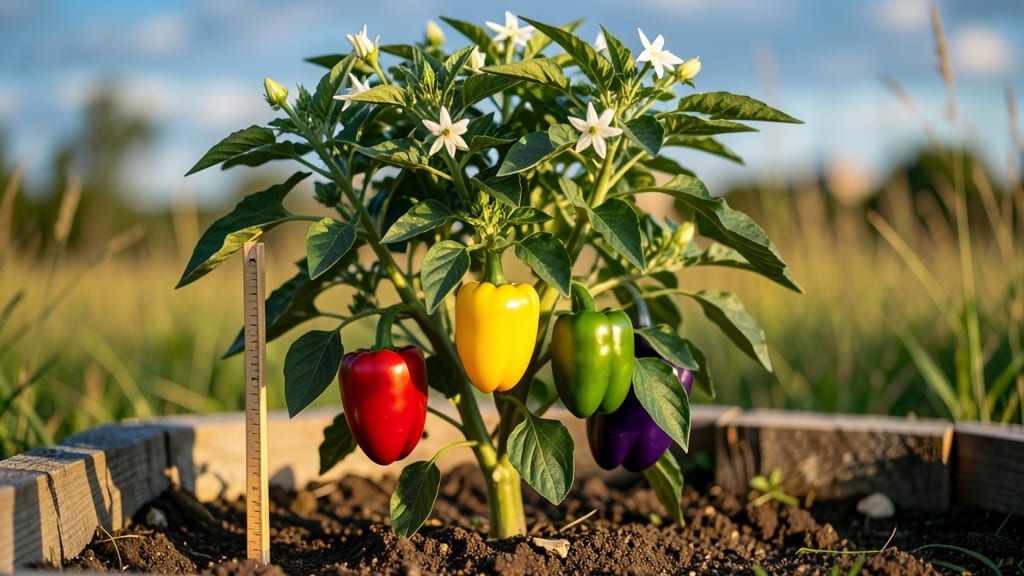
If you're planning your garden layout this spring, knowing how tall bell pepper plants grow could save you from cramped spaces and disappointed harvests. These vibrant 🌶️ plants can range from compact 18-inch bushes to towering 4-foot vines, depending on the variety you choose.
For most gardeners in zone 6a, the average bell pepper plant reaches 2-3 feet tall, making them perfect for small gardens or containers. But if you're growing taller varieties like 'Jupiter,' you might need to plan for 4-foot heights or more with proper support.
The key to managing their size lies in understanding your variety and giving them the right growing conditions. Whether you're working with space constraints or aiming for maximum yield, these insights will help you optimize your garden setup for a thriving bell pepper harvest.
Let's break down the height differences between common varieties and how to support them for the best results—so you can enjoy a bountiful harvest from July through October without any surprises.


Bell pepper plant height by variety: compact vs. tall-growing types
Bell pepper plants can range from waist-high bushes to towering vines reaching over 4 feet tall, depending on the variety. Understanding these differences helps you plan your garden layout, choose containers, or decide whether to use trellises.
Some varieties stay compact, perfect for small spaces or containers, while others thrive when given vertical support to maximize fruit production.
For example, bush-type bell peppers like 'Lunchbox' or 'Patio' stay between 1.5 and 2.5 feet tall, making them ideal for balconies or raised beds. In contrast, vining varieties such as 'California Wonder' or 'Jupiter' can grow 3 to 4 feet tall or even taller if trained upward.
The right variety can transform your harvest—taller plants often produce more peppers but require more space and support.
Here’s how to match your growing space to the perfect variety:
| Variety Type | Height Range | Best For | Sun Needs |
|---|---|---|---|
| Dwarf/Bush | 1.5–2.5 ft | Containers, small gardens, balconies | 6–8 hours |
| Semi-Dwarf | 2.5–3.5 ft | Raised beds, in-ground gardens | 6–8 hours |
| Standard/Vining | 3–4+ ft | Trellises, large gardens, vertical growing | 8+ hours (ideal) |
If you’re growing in containers, opt for dwarf varieties like 'Lunchbox' or 'Patio' to avoid overcrowding. These stay under 2 feet tall and thrive in 5-gallon pots with proper drainage. For in-ground gardens, semi-dwarf types like 'Sweet Banana' (2.5–3.5 ft) strike a balance between space efficiency and yield.
Meanwhile, vining types like 'California Wonder' need trellises or cages to support their weight and encourage upward growth.
Another factor influencing height is pruning habits. Some gardeners prune bell pepper plants to keep them bushier and shorter, while others let them grow tall for easier harvesting.
For example, removing suckers (side shoots) can redirect energy to fruit production, sometimes resulting in a slightly shorter but more productive plant. If you prefer taller plants, avoid heavy pruning and let them climb.
For urban gardeners with limited space, consider vertical gardening. Trellises or tomato cages work well for taller varieties, saving floor space while increasing your harvest. Even dwarf varieties benefit from light staking to improve air circulation and reduce disease risk.
Just ensure your support structure is sturdy—bell peppers can get heavy with fruit!
One common mistake is assuming all bell peppers grow the same height. For instance, 'Jupiter' can reach 4 feet or more without support, while 'Aristotle' stays compact at 2 feet.
Always check seed packets or plant tags for height ranges before buying. This small step can save you from overcrowding or underutilized space in your garden.
Soil quality also plays a role in plant height. Well-draining, nutrient-rich soil encourages stronger stems and healthier growth. Amend your soil with compost before planting to give your bell peppers the best start. If your plants seem leggy or weak, they may need more nutrients or better sunlight exposure.
Lastly, consider your climate zone. In cooler regions, bell peppers may grow slightly shorter due to less sunlight, while warmer zones can produce taller, more vigorous plants. Adjust your expectations and support structures accordingly to match your local growing conditions.
Bell pepper plant height by variety: compact vs. tall-growing types
Bell pepper plants come in a stunning array of heights, from dwarf varieties that barely reach your knees to tall trellised giants that stretch toward your shoulders. Knowing your variety’s mature height helps you plan spacing, support structures, and even container sizes.
For example, my Lunchbox bell peppers stay compact at just 18–24 inches, while California Wonder varieties can soar to 4 feet or taller when given proper support.
Most gardeners assume all bell peppers grow the same height, but the truth is far from it. The difference between a bush-type pepper and a vining pepper can mean the difference between a crowded garden bed and a neatly organized vertical space.
I’ve grown both types, and the support needs for each are completely different—something I’ll cover in detail below.
🌶️ Bell Pepper Height Comparison
| Variety Type | Height Range | Example Varieties | Ideal Support |
|---|---|---|---|
| Dwarf/Bush | 18–24 inches | Lunchbox, Pixie, Tiny Tim | None (compact growth) |
| Semi-Dwarf | 24–36 inches | Early California Wonder, Jupiter | Light staking or cages |
| Standard/Tall | 36–48 inches | California Wonder, King of the North | Trellis or strong stakes |
| Vining (Indeterminate) | 4–6 feet+ | Ariane, Sweet Banana | Heavy trellis or tomato cage |
Note: Heights can vary based on growing conditions like sunlight, soil fertility, and pruning practices.
If you’re growing bell peppers in containers or small spaces, opt for dwarf varieties like Pixie or Tiny Tim, which thrive in 5-gallon pots and don’t require support.
These varieties are perfect for balconies or patios where space is limited. I’ve successfully grown Lunchbox peppers in hanging baskets with minimal height restrictions!
For larger gardens or if you’re aiming for maximum yield, taller varieties like California Wonder or King of the North are excellent choices. These plants benefit from vertical training, which saves space and improves air circulation.
Just be prepared to invest in sturdy trellis systems or cages—my first attempt with a flimsy stake ended in a toppled plant and a sad harvest!
One common misconception is that all bell peppers need full sun to reach their maximum height. While 6–8 hours of sunlight is ideal, some shade-tolerant varieties like Jupiter can handle partial shade and still grow to 3 feet tall.
However, expect slightly reduced yields if sunlight is limited. Always check the seed packet for specific light requirements—it’s a game-changer for height and productivity.
Pro tip: If you’re unsure about your variety’s height, check the seed packet or plant tag for mature height estimates. Many reputable seed companies now include this info, which can save you from guesswork.
For example, Sweet Banana peppers are often labeled as vining types, so you’ll know to plan for extra vertical space from the start.