
Plants
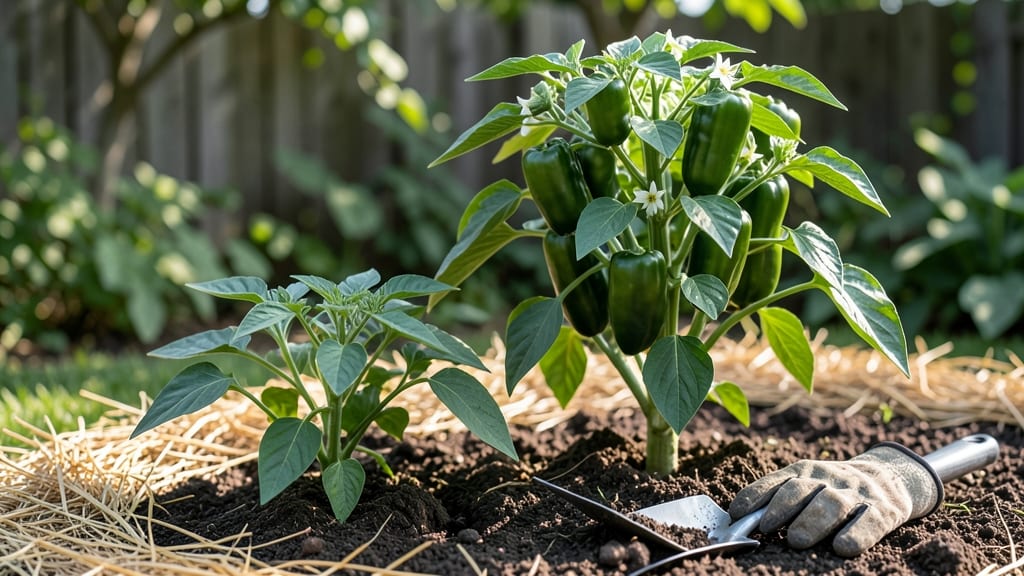
Planting bell peppers 🌶️ in Kansas isn’t just about timing—it’s about surviving the state’s unpredictable swings from frost to scorching heat. If you’ve ever watched your seedlings wilt after a late April freeze or struggled with stunted growth from cool soil, you know how critical the right window can be.
Most Kansas gardeners wait until after the last frost—typically mid-April to early June—but rushing too soon means risking frost damage, while waiting too long cuts your harvest short.
The key is balancing soil warmth (at least 60°F) with frost-free days, especially in Zone 5b-7a where temperatures can still dip unexpectedly.
I’ll break down the exact dates for starting seeds indoors versus direct sowing, plus regional tweaks for Wichita, Kansas City, and Topeka. Whether you’re a first-time gardener or a veteran, these tips will help you avoid common mistakes and maximize your July–October harvest.
Ready to grow peppers that thrive? Let’s get your planting schedule nailed down so you can enjoy homegrown 🌶️ all season long.
Kansas bell pepper planting dates by last frost timeline
Kansas gardeners know timing is everything for bell peppers, especially in Zone 6 where late frosts can still strike after April 15. The key is planting after your last average frost date—typically between mid-April and early May—but only when soil temperatures hit at least 60°F.
This ensures strong root growth and avoids transplant shock.
For direct sowing, wait until mid-May to early June when nights stay consistently above 55°F.
Seedlings are more delicate, so giving them a head start indoors (by mid-March) lets you transplant hardened-off plants by late May, maximizing your 165-day growing season before the first frost in mid-October.
Here’s your Kansas bell pepper planting timeline by region, accounting for microclimates in Wichita, Kansas City, and Topeka. Use these dates as your guide, but always check local forecasts—Kansas weather can be unpredictable!
| Region | Last Frost Date | Start Seeds Indoors | Transplant Outdoors | Direct Sow |
|---|---|---|---|---|
| Wichita (West) | April 20–May 5 | March 15–April 1 | May 1–May 15 | May 15–June 1 |
| Kansas City (East) | April 15–April 30 | March 1–March 15 | April 25–May 10 | May 10–May 25 |
| Topeka (Central) | April 10–April 25 | February 28–March 10 | April 20–May 5 | May 5–May 20 |
*Adjust dates 1–2 weeks later for high-elevation areas (e.g., near Salina).
If you’re planting early varieties like ‘Early California Wonder’ (60 days to maturity), you can push transplanting to early June for a late-summer harvest. Just be prepared to use row covers if temperatures dip below 50°F at night.
For longer-season varieties (like ‘Big Beautiful’ at 80 days), stick to the earlier window to ensure a full harvest before frost.
Pro tip: Use a soil thermometer to confirm 60°F+ soil temps before transplanting. Cold soil slows root growth and makes peppers vulnerable to disease. If your soil is still chilly, warm it up with black plastic mulch laid 1–2 weeks before planting.
For gardeners in western Kansas (e.g., Garden City), where nights can stay cooler, opt for heat-tolerant varieties like ‘Jupiter’ or ‘Aristotle’. These handle 90°F+ days better than standard types and produce fruit even in shorter seasons.
Remember: Succession planting every 2–3 weeks after your first transplant ensures a continuous harvest. Plant a second batch in early June for peppers ready to pick in August–September, just before fall frosts arrive.
Keep an eye on your local National Weather Service alerts for late frosts. In 2022, Topeka saw a 32°F freeze in late May, wiping out unprotected seedlings. When in doubt, delay planting or use frost cloth for extra protection.
With the right timing, your bell peppers will thrive in Kansas’ 90°F summers, delivering sweet, homegrown harvests from July through October.
Kansas bell pepper planting dates by last frost timeline
Kansas’ Zone 6 climate means bell peppers must wait for soil temperatures above 60°F and frost-free conditions—typically mid-April to early June. Planting too early risks frost damage or stunted growth, while waiting too long shortens the harvest window.
The key is aligning your seed-starting indoors or transplant timing with Kansas’ average last frost dates, which range from April 15 in eastern Kansas to May 1 in western regions.
For direct sowing outdoors, wait until after May 15 in most of Kansas, but start seeds indoors 8–10 weeks before your last frost date.
This gives seedlings a head start in greenhouses or sunny windowsills before transplanting. Soil thermometers are your best tool—bell peppers won’t thrive until the ground warms up consistently.
| Region | Last Frost Date | Start Seeds Indoors | Transplant Outdoors | Direct Sow Outdoors |
|---|---|---|---|---|
| Eastern KS (Kansas City) | April 15 | March 1–15 | May 1–15 | May 20–June 1 |
| Central KS (Topeka) | April 20 | March 15–30 | May 5–15 | May 25–June 5 |
| Western KS (Wichita) | May 1 | March 15–April 1 | May 10–20 | June 1–10 |
Microclimates matter! Urban areas like Kansas City often warm up faster than rural spots, while western Kansas’ drier climate can delay soil warming. Use black plastic mulch to raise soil temps by 5–10°F and extend the growing season.
For early varieties like ‘Early California Wonder,’ you can push transplant dates to late April in eastern Kansas, but always monitor forecasts for late frost warnings.
If you’re direct sowing seeds outdoors, wait until after June 1 in most of Kansas—this ensures 60°F+ soil and 120+ frost-free days for a full harvest. Succession planting every 2–3 weeks after your initial sowing can stretch your harvest into October, but prioritize heat-tolerant varieties like ‘Carmen’ or ‘Jupiter’ for late-season success.
Pro tip: Hardening off seedlings for 7–10 days before transplanting prevents shock. Gradually expose them to wind, sun, and temperature swings by moving them outdoors for 2–3 hours daily, then increasing time. This mimics Kansas’ unpredictable spring weather and boosts survival rates.
Remember, Kansas’ growing season is short—plan your bell pepper timeline carefully to avoid wasted effort. Start early, watch the weather forecasts, and don’t rush the process. Your harvest will thank you with plump, flavorful peppers from July through October!