
Plants
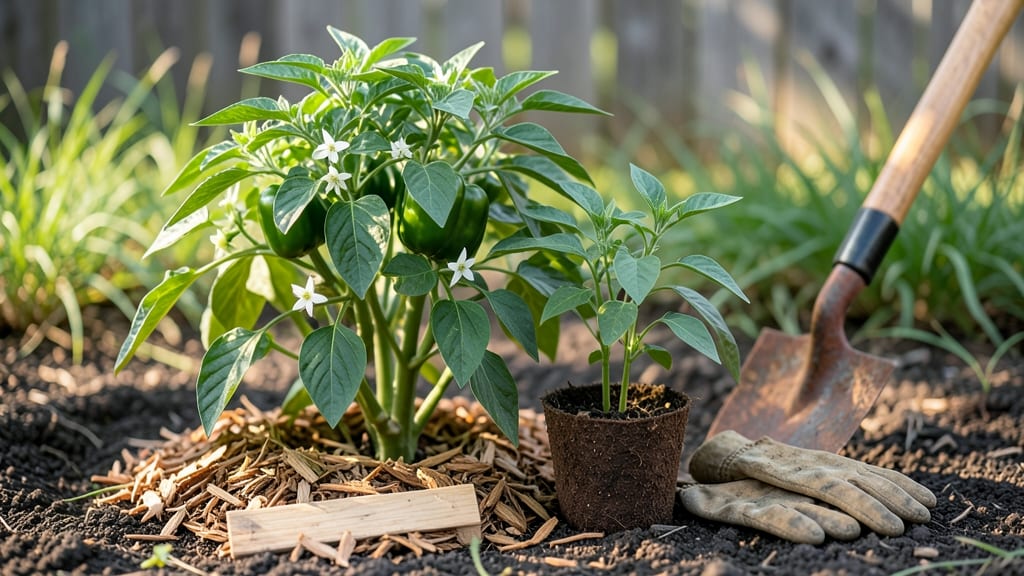
Planting bell peppers in North Carolina at the wrong time can mean the difference between a bumper crop and a sad, wilted disappointment—especially when your soil is still too cold.
The key isn’t just checking the calendar; it’s understanding when your soil hits that sweet 55°F threshold for germination, because those little seeds won’t budge until they’re cozy enough.
I’ve learned the hard way that rushing too early can leave your peppers 🌶️ gasping for warmth, while waiting too long might cut your harvest short.
North Carolina’s diverse climate—from the humid Coastal Plain to the cooler Mountain regions—means there’s no one-size-fits-all answer. But here’s the game-changer: soil temperature matters more than dates.
Whether you’re in Zone 7 or Zone 8, you’ll need to time your planting so seedlings get off to a fast start, avoiding the dreaded “cold shock” that stalls growth. Let me show you exactly how to read your soil’s signals and adjust for your specific corner of the state.
Once you’ve nailed the timing, the next step is preparing your soil and seedlings for success. We’re talking about mulch tricks, transplanting hacks, and even how to spot when your peppers are truly ready to hit the ground.
Skip these steps, and you might end up with leggy, weak plants that struggle to produce. But get it right, and you’ll be feasting on homegrown peppers 🌶️ before you know it—juicy, vibrant, and packed with flavor.
In this guide, I’ll walk you through the exact planting windows for your region, plus the pro tips that turn good harvests into great ones. No more guesswork—just a clear, step-by-step plan to make your NC pepper garden thrive, no matter where you’re growing.
NC bell pepper planting calendar: exact dates by region and soil temperature
Bell peppers thrive in North Carolina’s climate, but timing is everything. The Coastal Plain, Piedmont, and Mountain regions each have unique frost risks and soil warming patterns.
Planting too early risks frost damage, while waiting too long shortens the growing season. Let’s break down the ideal windows by region and soil temperature thresholds.
For successful germination, bell pepper seeds need soil temperatures above 55°F. Transplanting should only happen after the soil reaches 70°F+ and the last frost date has passed. Coastal areas warm faster than the Mountains, so adjust your schedule accordingly. Below is your region-specific planting guide.
| Region | Last Frost Date | Ideal Planting Window | Soil Temp for Germination | Soil Temp for Transplanting |
|---|---|---|---|---|
| Coastal Plain (Zones 8a-8b) | Mid-March to early April | Late March to early May | 55°F+ (by mid-April) | 70°F+ (after May 1) |
| Piedmont (Zones 7a-7b) | Late March to early April | Early April to mid-May | 55°F+ (by late April) | 70°F+ (after May 15) |
| Mountain (Zones 6a-7a) | Late April to early May | Late April to early June | 55°F+ (by late May) | 70°F+ (after June 1) |
If you’re starting seeds indoors, begin 8-10 weeks before your region’s last frost date. For Coastal areas, this means early February, while Mountain gardeners should start seeds in mid-March. Harden off seedlings for 7-10 days before transplanting to avoid shock.
North Carolina’s microclimates can vary dramatically even within regions. If your garden sits in a frost pocket or near water, plant 2-3 weeks later than the general guidelines. Use a soil thermometer to confirm temperatures before planting—this is the #1 way to avoid costly mistakes.
For a second harvest, consider fall planting in late summer (after August 15). Choose heat-tolerant varieties like ‘Carolina Wonder’ and use row covers to extend the season. Just be sure to plant 90 days before your area’s first frost date.
Pro tip: In Zone 7b and below, opt for fast-maturing varieties (60-70 days to harvest) to maximize your growing window. Slow-growing varieties risk stunted growth if planted too late.
Always check your local NC State Extension office for hyper-local frost data, as weather patterns shift yearly. A few degrees can mean the difference between a bountiful harvest and a failed crop.
🌱
5 Soil temperature tricks to speed up germination and avoid common NC mistakes
Bell pepper seeds in North Carolina need consistent soil temperatures above 55°F to germinate, but hitting that threshold can feel like a gamble with our unpredictable spring weather.
I’ve learned the hard way that rushing seedlings or planting too soon after the last frost can stall growth—or worse, kill your seedlings before they even take root.
Here’s the secret: soil temperature tricks can shave weeks off your growing season. Whether you’re using row covers, black plastic mulch, or a simple heat mat, these methods help you bypass NC’s cool springs and get your peppers growing faster.
The key is balancing warmth with moisture—too much of either can lead to rot or shock.
🌱
- Black Plastic Mulch
- Row Covers
- Seedling Heat Mats
- Cold Frame
- Wait for Soil, Not Calendar
I once planted bell peppers in early April in Raleigh, thinking the frost date had passed. Within a week, the seedlings wilted despite my watering routine—the soil was still 50°F, too cold for roots to absorb moisture.
Since then, I’ve sworn by a soil thermometer and black plastic mulch to avoid this mistake.
Another common pitfall? Overwatering cold soil. When temperatures dip below 60°F, seeds and seedlings can’t absorb excess moisture, leading to rot. Let the top inch of soil dry slightly between waterings until the ground warms up.
For transplanting, aim for 70°F+ soil temps and wait 2 weeks after the last frost—even if your local forecast says it’s safe. Microclimates in NC vary wildly: a valley might still have frost while a hillside is thawing.
Observe your neighbors’ gardens or check local weather stations for real-time updates.
💧