
How To
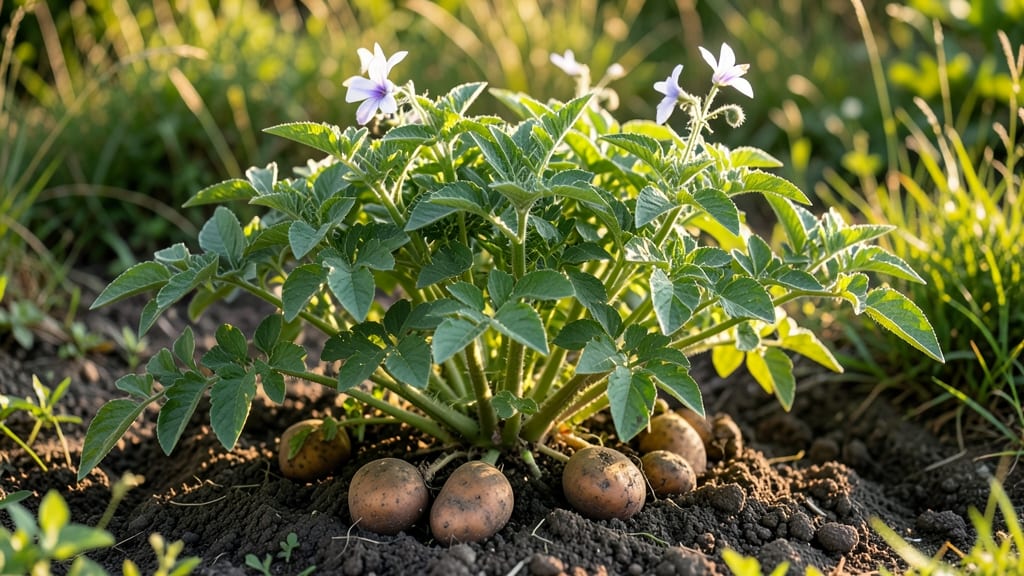
When you picture a potato plant, you might imagine a neat, compact bush—but how tall does a potato plant grow? The answer depends entirely on the type you grow, and knowing this can save you from overcrowded beds or wasted space.
Most standard potato varieties stay between 12 and 18 inches, making them perfect for small gardens or containers. But if you’re growing a tall variety like 'Purple Majesty', expect foliage to reach 3 feet or more—so plan your spacing accordingly.
The good news? With the right techniques, even towering plants can thrive without taking over your yard.
Why does height matter? Because it directly affects your harvest. Too much shade from overgrown plants can reduce yields, while proper spacing ensures each tuber gets the sunlight and nutrients it needs.
Whether you’re working with dwarf varieties or giants, understanding these growth patterns is the key to a bountiful potato patch.
Ready to optimize your garden? I’ll break down the best varieties for different spaces, plus simple tricks—like staking or pruning—to keep your potato plants happy, no matter how tall they grow. Let’s get started!


Potato plant height by variety: from compact to towering
Potato plants come in a surprising range of heights, from dwarf varieties that stay under a foot tall to tall varieties that can reach waist height. The foliage height directly impacts your garden layout, harvest accessibility, and even potato size.
Knowing these differences helps you plan spacing, trellising, or container gardening strategies to maximize your yield without overcrowding.
Most gardeners focus on foliage height when planning, but remember—the tubers grow below ground, often spreading wider than the plant stands tall. This means even compact varieties need proper soil depth (at least 12 inches) to prevent tubers from turning green and bitter when exposed to light.
Here’s the key rule: Space your plants based on their mature foliage height, not tuber spread. For example, a 12-inch-tall variety might still need 12 inches of soil depth and 12 inches of horizontal space between plants. This balance ensures healthy tubers and easy harvesting.
| Variety Category | Foliage Height | Spacing Needs | Best For |
|---|---|---|---|
| Dwarf Varieties | 8–12 inches | 8–10 inches apart | Containers, small gardens |
| Semi-Dwarf Varieties | 12–18 inches | 10–12 inches apart | Raised beds, urban gardens |
| Standard Varieties | 18–24 inches | 12–15 inches apart | Traditional gardens, large plots |
| Tall Varieties | 24–36 inches | 15–18 inches apart | Vertical gardens, trellises |
🌱 Note: Tall varieties like Purple Majesty or Russian Banana benefit from staking or cages.
Let’s break down some popular varieties by height to give you real-world examples. If you’re growing Yukon Gold or Red Pontiac, expect 18–24 inches of foliage, which fits neatly in most gardens.
These standard varieties are ideal for beginners because they’re forgiving about spacing and still produce high yields.
On the other hand, Fingerling potatoes like French Finger or Purple Peruvian often stay 12–18 inches tall but produce long, slender tubers that spread horizontally.
This makes them perfect for container gardening or small-space layouts, as long as you use deep pots (at least 12 inches deep) and provide support if needed.
For tall varieties, think Purple Majesty or Russian Banana, which can reach 3 feet or more. These are stunning in a vertical garden or when grown on a trellis, but they require extra support to prevent flopping.
Without staking, their sprawling habit can shade lower plants and reduce yields.
If you’re working with limited space, prioritize dwarf or semi-dwarf varieties like Red Norland or Kennebec. These stay under 18 inches tall and thrive in raised beds or container gardens. Just remember: even compact foliage needs deep soil (12+ inches) for tubers to develop properly.
One pro tip for managing height: Prune the foliage when it reaches 12–18 inches tall to redirect energy to tuber production. This works especially well for standard varieties like Russet, which can become leggy if overcrowded. Simply snip the top 2–3 inches of growth to encourage bushier, shorter plants.
Finally, consider your climate zone. In cooler regions (USDA Zones 3–5), potato plants may grow taller and slower due to
How to control potato plant height for small gardens
If your backyard is more postage-stamp-sized than spacious, don’t let potato plants take over! With the right techniques, you can keep tall varieties in check while still harvesting bountiful tubers. The key is working with—not against—the plant’s natural growth habits.
For example, Purple Majesty potatoes can reach 3 feet tall if left unchecked, but with strategic pruning, you can trim that height by 40-50%.
Start by choosing compact varieties like Yukon Gold or Red Norland, which max out at 18-24 inches. These are ideal for containers or small plots. Even with these shorter types, proper spacing is critical—12-15 inches apart prevents overcrowding, which forces plants to stretch upward for light.
Think of it like giving each plant its own personal space to grow outward instead of upward.
- Prune Strategically
- Use Vertical Supports
- Mulch Deeply
- Space for Airflow
- Harvest Early
Don’t overlook the power of companion planting to manage height naturally. Pair potatoes with bush beans or carrots, which grow vertically and won’t compete for space. Avoid planting near tomatoes or corn, which can encourage potato plants to grow taller as they reach for sunlight.
Even in small spaces, a little planning goes a long way toward keeping your potato patch neat and productive.
For container gardening, opt for dwarf varieties like Red LaSoda (12-18 inches) and use 5-gallon buckets with drainage holes. Fill them with a mix of compost and perlite to prevent waterlogging, which can stunt growth.
Remember, potatoes need deep soil (at least 12 inches) to form tubers, so containers must be tall enough to accommodate this.
If you’re dealing with rambunctious growers like Kennebec potatoes, which can hit 2-3 feet, try the "hill-up" method. Every 2-3 weeks, mound soil around the base of the plant up to the first set of leaves.
This encourages more horizontal growth and fewer tall stems. It’s like giving your potatoes a built-in trellis without the extra hardware.
Finally, monitor your plants weekly for signs of overgrowth, like leggy stems or yellowing leaves. These are red flags that your potatoes need more sunlight or nutrients.
A quick adjustment—like moving containers to a sunnier spot or adding a balanced fertilizer—can keep plants at an ideal height while boosting your yield. With these tips, even the tallest varieties will stay in line. 🌱