
Plants
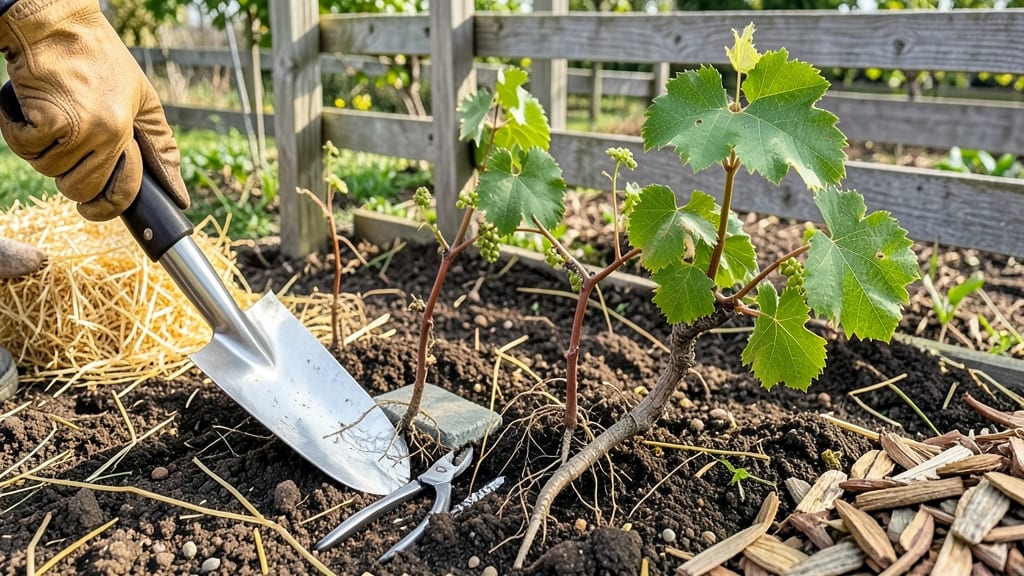
Planting grapes in Alabama at the wrong time can mean the difference between a thriving 🍇 vineyard and frost-damaged vines before they even take root.
With USDA zones 7a-8b offering a long growing season, you’ve got a prime opportunity—but timing is everything to avoid those late-winter freezes that sneak in around March.
Most Alabama gardeners swear by late winter to early spring planting, ideally between February and March, when soil temperatures creep above 50°F.
This window gives young vines enough time to establish roots before summer heat kicks in, setting them up for a 150-180 day growing season that peaks in late summer harvests.
But here’s the catch: not all grapes are created equal. Muscadines, Alabama’s native variety, handle the heat better than their vinifera cousins, which need that extra week of frost-free soil.
I’ll break down the best planting strategies for each type—plus how to protect your investment if Mother Nature throws a curveball.
Ready to turn your backyard into a grape haven? Let’s dive into the exact steps to plant, protect, and nurture your vines for a bountiful harvest—without the guesswork.
Best planting times for grapes in Alabama by variety type
Alabama’s USDA zones 7a-8b offer a 210-240 day frost-free season, but grape varieties have different cold tolerances. Timing your planting to avoid late frosts (mid-March) and summer heat stress is critical for success.
Northern Alabama gardeners face slightly earlier frosts than southern regions, so we’ll break this down by variety and microclimate.
Most Alabama grape growers plant bare-root vines in late winter to early spring (February-March), but muscadines—Alabama’s native grapes—can handle slightly later planting. The key is ensuring soil temperatures reach 50°F (10°C) consistently before planting, which typically happens by mid-March in most regions.
Here’s how to match your grape variety to Alabama’s planting windows:
| Variety Type | Best Planting Window (Alabama) | Soil Temp Requirement | Cold Hardiness | Regional Notes |
|---|---|---|---|---|
| Muscadines (e.g., 'Scuppernong', 'Cowart') | Late February - April | 45-50°F (7-10°C) | Zone 6-9 | Native to AL; handle late frosts better than vinifera |
| Vinifera (e.g., 'Cabernet Sauvignon', 'Chardonnay') | Mid-March - Early April | 50-55°F (10-13°C) | Zone 7-10 | Need warmer soils; vulnerable to early frosts |
| Hybrids (e.g., 'Catawba', 'Norton') | Late February - Mid-April | 48-52°F (9-11°C) | Zone 6-9 | Best compromise for AL climate; disease-resistant |
| All Varieties (Bare-Root) | February - March | 45°F+ (7°C+) | Varies | Plant before bud break (avoid April unless soil is warm) |
For Northern Alabama (e.g., Huntsville, Decatur), aim for late February to early March to avoid late frosts that can kill young vines.
Southern regions (e.g., Mobile, Dothan) have until mid-April in most years, but always check your local average last frost date—Alabama’s can vary by 2-3 weeks between north and south.
Pro tip: Use soil thermometers to confirm temperatures before planting. Cold soils delay root establishment, making vines vulnerable to spring frosts and summer heat stress. If your soil is still below 50°F (10°C) in March, wait another week—your grapes will thank you with stronger growth.
Another critical factor is moisture. Alabama’s spring rains can make soil too soggy for planting. If your garden is waterlogged in March, create raised beds or plant on sloped ground to improve drainage. Well-draining soil prevents root rot, a common issue for newly planted grapevines.
For container growing, you can plant 1-2 weeks later than in-ground vines since pots warm up faster. Just ensure your containers are at least 15 gallons and have drainage holes. Place them in full sun and use a lightweight potting mix with perlite to prevent compaction.
Remember: Bare-root vines should be planted as soon as possible after purchase (they dry out quickly), while potted vines give you more flexibility.
If you miss the ideal window, you can try fall planting (October-November), but this requires extra winter protection like mulch and row covers to survive Alabama’s occasional winter dips below 20°F (-7°C).
🍇
Best planting times for grapes in Alabama by variety type
Alabama’s USDA Zones 7a-8b offer a long growing season, but timing grape planting depends on your variety type and regional microclimate. North Alabama’s cooler springs (like Huntsville) may need earlier planting, while South Alabama (like Mobile) can extend windows into early April.
Soil temperatures below 55°F can stunt root growth, so wait until the ground warms.
Most Alabama gardeners plant bare-root grapes or container-grown vines between February and March, aligning with the last average frost date (mid-March). Muscadine grapes, native to the Southeast, handle Alabama’s heat better than Vinifera varieties like Cabernet Sauvignon, which need cooler climates.
Hybrid grapes (e.g., Norton) strike a balance for most regions.
Here’s how to match your variety to Alabama’s planting window, including soil prep and frost protection tips:
| Variety Type | Best Planting Window | Soil Temp Requirement | Frost Risk | Alabama Regions |
|---|---|---|---|---|
| Muscadines | Late February–March | 50–55°F | Low (native) | All regions |
| Hybrids (Norton, etc.) | Early March–April | 55–60°F | Moderate | North/South |
| Vinifera (Cabernet, etc.) | March only (risky) | 60°F+ | High (needs protection) | South Alabama only |
For North Alabama gardeners, prioritize muscadines or hybrids planted in late February to avoid late frosts. Use black plastic mulch to warm soil faster. In South Alabama, you can push planting to early April for Vinifera, but monitor National Weather Service alerts for unexpected cold snaps.
Always amend soil with compost and sand to improve drainage—Alabama’s clay-heavy soils can suffocate roots.
Pro tip: Test your soil’s pH (6.0–6.5 ideal) before planting. Alabama’s acidic soils often need lime amendments. If planting in containers, use a well-draining mix (50% potting soil, 30% perlite, 20% compost) to prevent root rot.
Container grapes can be moved indoors during winter if temperatures drop below 20°F.
Remember: Young vines need 2–3 years to establish before producing significant yields. Planting at the right time ensures your grapes have enough growing season to mature—especially critical for Vinifera varieties, which need 150+ frost-free days to ripen properly.
Check your local Alabama Cooperative Extension office for microclimate-specific advice.