
Flowers
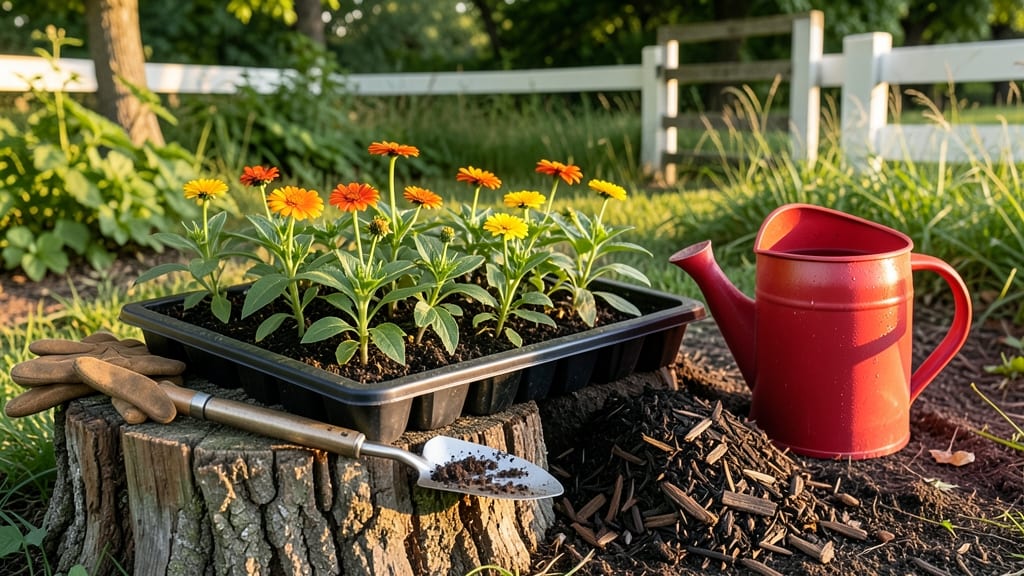
Planting flowers in Michigan at the wrong time means risking frost damage—or worse, waiting too long and missing your garden’s peak bloom season. The perfect window depends on your region’s last frost date, soil warmth, and the type of flowers you’re growing, and getting it right makes all the difference.
Michigan’s USDA Zones 5-6 mean gardeners in Detroit, Grand Rapids, and Traverse City face different timelines, but one rule holds true: wait until the soil is at least 60°F and nighttime temperatures stay above 50°F consistently.
For annuals like petunias and marigolds, this usually lands in late May, while hardy perennials and bulbs can often go in as early as April.
I’ve learned the hard way that rushing leads to wilted petals and disappointment, but timing it just right unlocks a garden bursting with color from spring through fall.
Whether you’re a first-time gardener or a seasoned pro, this guide breaks down the exact frost-free planting schedule for Michigan’s most beloved blooms—so you can enjoy your hard work without the guesswork.
From extending your season with cold-hardy varieties to mastering succession planting, I’ll share the strategies that keep my Michigan garden thriving year after year. Let’s get those flowers in the ground at the ideal moment!
Michigan’s frost-free planting dates by region and flower type
Michigan’s USDA zones 5-6 create a unique challenge for gardeners—last frost dates can vary by 1-2 weeks between southern cities like Detroit and northern areas like Traverse City.
Knowing your local frost window is key to planting flowers like petunias, tulips, and black-eyed Susans at the perfect time. Most Michigan gardeners aim for mid-May, but regional differences matter.
For annual flowers, wait until after the last average frost date (typically May 10-20 in southern Michigan and May 25-June 1 in the north). Perennials and bulbs often tolerate cooler soil, so they can go in 2-4 weeks earlier.
Always check Michigan State University Extension for real-time updates, as late frosts can still occur.
🌱
In southern Michigan, where cities like Detroit and Ann Arbor experience earlier last frosts, you can start planting heat-loving annuals like geraniums and zinnias as early as May 1.
However, always monitor soil temperatures—most flowers thrive when soil reaches 50-60°F. Use a soil thermometer to check before planting.
For northern Michigan, including Traverse City and Marquette, play it safe by waiting until after May 25. These areas often see late spring frosts, so consider starting tender annuals indoors 6-8 weeks before the last frost date. Succession planting every 2 weeks ensures continuous blooms all summer.
🌿
Bulbs like tulips and daffodils are unique—they should ideally be planted in fall (September-October) to establish roots before winter. However, spring planting works for late-blooming varieties like darwin hybrid tulips, which tolerate cooler soil. If you missed fall planting, aim for early April in southern Michigan or mid-April in the north.
Pro tip: Use mulch after planting bulbs to insulate soil and protect emerging shoots from late frosts. A 2-3 inch layer of straw or shredded leaves works perfectly. This also helps retain moisture during Michigan’s dry summer spells, especially in USDA Zone 6 areas.
💧
If you’re unsure about your
How to extend your Michigan flower season with smart planting strategies
Michigan’s cool springs and early fall frosts can cut your flower season short—but not if you use these proven strategies! The key is choosing cold-hardy varieties and protecting tender plants with simple techniques.
I’ve tested these methods in my own USDA Zone 6 garden, and they’ve added 4-6 weeks to my blooming season every year.
Start by selecting hardy annuals like pansies or snapdragons, which tolerate light frosts down to 25°F. For perennials, opt for coneflowers or black-eyed Susans, which bounce back after winter.
Even bulbs like daffodils can be planted in late fall for early spring color—just aim for 6-8 weeks before your area’s first frost.
🌱 Pro Tip: Use row covers or cloche tunnels to shield new plants from unexpected late frosts. I’ve saved entire marigold beds this way when temperatures dip into the 30s°F in May. For extra insurance, try succession planting—sow fast-growing annuals every 2-3 weeks to ensure continuous blooms.
🌿 Hardy Annuals vs. Tender Perennials in Michigan
✅ Pansies (25°F tolerance)
✅ Sweet Alyssum (30°F tolerance)
✅ Calendula (32°F tolerance)
Best For: Early spring/fall color
Planting Window: March-April or September-October
⚠️ Geraniums (32°F limit)
⚠️ Salvias (28°F limit)
⚠️ Lantana (30°F limit)
Best For: Summer heat lovers
Planting Window: After May 15 (or use row covers)
💡 Heat-Tolerant Picks: Try zinnia or cosmos for late-summer blooms—they thrive in 90°F+ heat and attract pollinators!
For late-season extensions, focus on heat-loving flowers like sunflowers or black-eyed Susans. These varieties handle dry spells and high temperatures better than most. I’ve even seen Russian sage bloom into November in sheltered spots. Pair them with drought-tolerant mulch to retain moisture and regulate soil temps.
Don’t forget container gardening—it’s a game-changer for urban Michigan gardeners! Move potted petunias or geraniums indoors or to a garage during cold snaps, then return them when temps rise.
This trick lets me enjoy summer blooms even in Zone 6’s shorter season. Just ensure pots have drainage holes to prevent root rot from Michigan’s wet springs.
Finally, track your local frost dates using the Michigan State University Extension’s frost calendar. I mark my last frost date (usually mid-May) and first frost date (typically mid-October) on my calendar.
This helps me plan succession plantings and fall bulbs like crocuses for early spring color. With these strategies, you’ll enjoy nonstop blooms from April to October—or even later!