
Plants
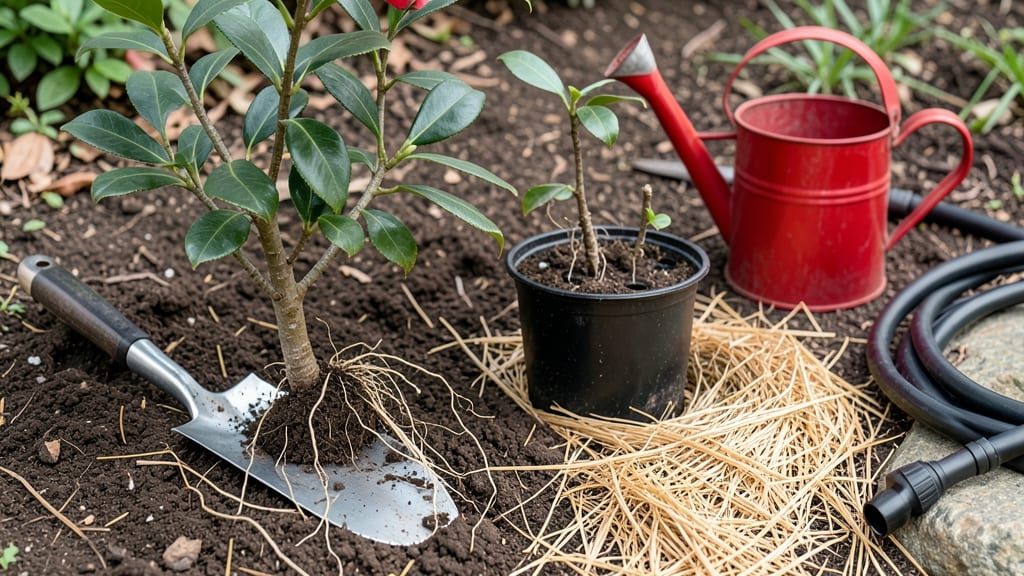
Planting your 🌸 camellias at the wrong time in North Carolina could mean the difference between stunning spring blooms and struggling shrubs that never quite thrive. The state’s varied climate—from the Piedmont’s cooler winters to the Coastal Plain’s longer growing seasons—means timing matters more than you might think.
Most gardeners in USDA Zones 6b-8a swear by fall planting, but early spring works too—if you get it right. The key is avoiding those tricky late frosts that can sneak in as late as mid-April in some regions, or the scorching summer heat that stresses young roots.
I’ll break down exactly when to dig in, whether you’re in the mountains or the coast.
You’ll discover how to read your local frost dates, prep soil for camellias’ acidic needs, and even push the planting window with smart tricks. No more guessing—just proven strategies to give your 🌸 camellias the perfect start, no matter where you live in NC.
Ready to set your garden up for years of lush, blooming beauty? Let’s get those roots in the ground at the ideal moment—before the next frost or heatwave arrives.
NC planting zones & frost-free window for camellias (by month)
North Carolina spans USDA Zones 6b through 8a, which means the frost-free window for planting camellias varies dramatically between the Coastal Plain, Piedmont, and Mountain regions.
In Zone 6b (western NC mountains), you’ll have only 180 frost-free days, while Zone 8a (Coastal Plain) enjoys 240+ days. This difference affects when you should plant—too early, and young roots may freeze; too late, and your camellia struggles to establish before winter.
Most NC gardeners plant camellias in two ideal windows: fall (October–November) or early spring (March–April). Fall planting gives roots time to establish before winter, while spring planting avoids the risk of late frosts.
However, your local frost dates dictate the exact timing—so check your county’s average last frost date (typically April 15 in Piedmont, earlier in the mountains).
For example, in Asheville (Zone 7a), the frost-free window is September 15–May 15, leaving just 8 months for planting. Meanwhile, in Wilmington (Zone 8a), you’ve got until November 1 for fall planting and can start as early as February.
These differences mean one-size-f’timing doesn’t fit all—adjust based on your microclimate.
Soil temperature is another critical factor. Camellias thrive when soil temps are between 50°F–65°F. In NC, this usually aligns with late March–early April for spring planting or October–early November for fall. Use a soil thermometer to confirm—if temps are still below 50°F, wait a few weeks.
If you’re in Zone 7a or 7b (most of the Piedmont), aim to plant camellias 4–6 weeks before your first frost. For example, if your frost date is November 1, plant by early October.
This gives roots time to establish before winter dormancy. In Zone 8a, you’ve got more flexibility—you can even plant sasanqua camellias in December if soil temps stay above 55°F.
For spring planting, wait until after the last frost date and when soil temps consistently stay above 50°F. In the mountains, this might mean waiting until mid-April, while in the Coastal Plain, you could start as early as February.
The key is avoiding late frosts, which can damage tender new growth. Use a frost calendar for your county to pinpoint the safest dates.
One common mistake is planting camellias too early in spring (e.g., February in the Piedmont). While the weather may seem mild, late frosts can still occur, especially in Zone 7a. To hedge your bets, opt for fall planting—it’s often the safer choice for NC gardeners.
Just ensure the ground isn’t frozen, and you’ve protected the root ball with mulch (3–4 inches) to insulate against winter temps.
Pro tip: If you’re unsure about your local frost dates, use the National Weather Service’s frost prediction maps or ask your local Cooperative Extension office. They’ll provide hyper-local advice tailored to your microclimate, which can differ even within the same county.
For example, a south-facing slope in the mountains may warm up faster than a valley, extending your planting window by a few weeks.
Finally, remember that container-grown camellias can be planted slightly later than bare-root plants because their root systems are already established. If you’re using potted camellias, you can push your planting window 2–3 weeks later than the bare-root timeline.
Just be sure to water thoroughly after planting to help the roots acclimate to their
Best Camellia varieties for NC & their optimal planting times
North Carolina’s diverse climate—from the Coastal Plain’s humidity to the Mountains’ cooler temps—means not all camellias thrive equally. Some varieties bloom in winter, others in spring, and their planting windows vary based on cold hardiness.
Let’s break down the best camellia types for NC and when to plant them for maximum blooms.
For Zone 7 (Piedmont) and cooler areas, focus on cold-hardy varieties like Camellia sasanqua, which tolerates temps down to 10°F. In Zone 8 (Coastal Plain), heat-tolerant Camellia japonica varieties shine, but even they need strategic planting to avoid summer stress.
| Variety | Bloom Season | Best NC Zones | Planting Window | Key Notes |
|---|---|---|---|---|
| Camellia sasanqua | Fall/Winter | 6b-8a | Oct-Nov or Mar-Apr | Cold-hardy, drought-tolerant |
| Camellia japonica | Spring | 7a-8a | Mar-Apr (avoid late spring) | Needs afternoon shade in Zone 8 |
| Camellia oleifera | Summer | 8a-9a (Coastal) | Sep-Oct (fall only) | Heat-loving, minimal frost risk |
| Dwarf varieties (e.g., 'Yuki-Cherry') | Spring/Fall | 6b-8a | Oct-Nov or Feb-Mar | Container-friendly, slower growth |
If you’re in Zone 7 (e.g., Raleigh), prioritize sasanqua varieties—they’ll reward you with winter blooms when most gardens are dormant. For Zone 8 (e.g., Wilmington), japonica varieties like 'Nuccio’s Gem' thrive but need afternoon shade to avoid leaf scorch.
Pro tip: Fall planting (October-November) gives roots time to establish before winter, while early spring (March-April) avoids summer heat stress. For oleifera, which loves heat, September-October is your only window—planting later risks heat shock.
Always check your local last frost date (NC ranges from March 15 in the Mountains to April 1 in the Coastal Plain). Planting 4-6 weeks before ensures roots settle before cold snaps hit.
🌸 For container gardening, dwarf varieties like 'Kiri-Shima-Nagasa' can be planted anytime soil temps stay above 60°F, giving you flexibility in Zone 7b+.