
Plants
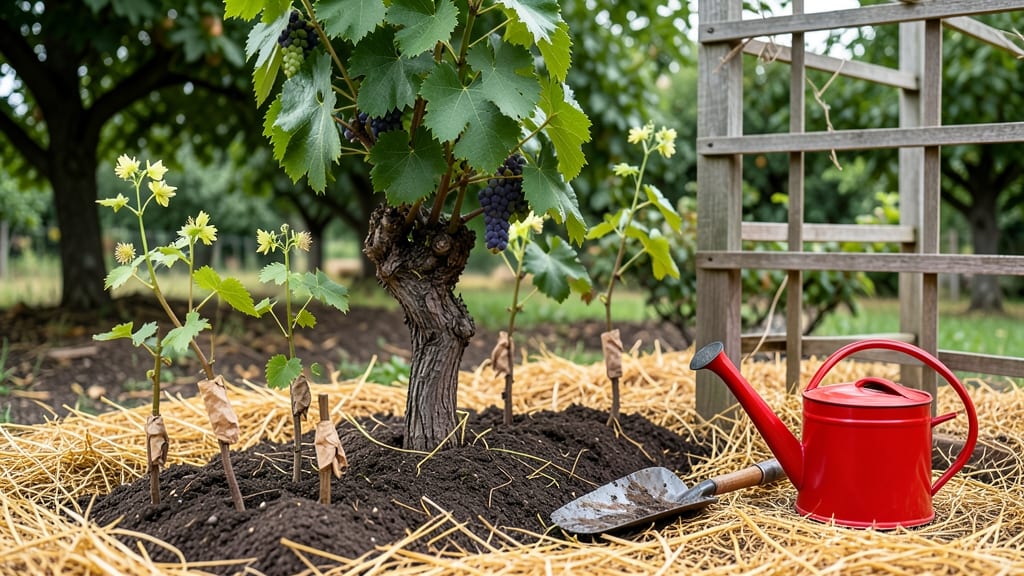
Planting grape vines in Georgia at the wrong time can mean the difference between a lush 🍇 harvest and struggling vines that never quite thrive. With Georgia's unique climate—where frost-free seasons stretch long but winters vary sharply from north to south—getting the timing right is everything.
Most gardeners know spring is ideal, but what about fall? The answer depends on your grape variety's chill-hour needs, whether you're in Zone 7b or 8b, and whether you're planting bare-root or potted vines.
I'll break down exactly when to plant for maximum success, so you can avoid common pitfalls like late frosts or heat stress.
If you've ever wondered why some grape vines flourish while others struggle, the answer often lies in the planting schedule. We'll cover the best months for your specific variety, how to adjust for Georgia's microclimates, and even when to mulch for extra protection.
Let's get your grape vines off to the best possible start.
Ready to transform your garden into a productive vineyard? By the end of this guide, you'll know exactly when to plant—whether you're a beginner or a seasoned gardener looking to refine your technique. Your future harvest depends on getting this step right.
Georgia grape planting timeline by chill-hour requirements
Georgia’s diverse climate—from the cool mountain regions of North Georgia to the hot, humid lowlands of South Georgia—means grape growers must align planting with chill-hour needs. Most Georgia grape varieties thrive with 300-700 chill hours, but timing varies dramatically between Muscadines (low-chill) and European hybrids (high-chill).
Planting too early risks frost damage, while planting too late may stunt root development before winter. The ideal window spans late winter to early spring (February–March) or fall (September–October), but your USDA Zone (7b–8b) and grape variety dictate the exact schedule.
Here’s how to match your grape variety to Georgia’s microclimates and chill-hour zones for peak success:
| Variety | Chill Hours | Best Planting Window | Notes |
|---|---|---|---|
| Muscadine (e.g., 'Scuppernong') | 300–500 | Late winter (Feb) or fall (Sept–Oct) | Low-chill; thrives in South Georgia’s heat |
| Norton ('Cynthiana') | 500–700 | Early spring (Mar) or late fall (Nov) | Adaptable; best for North/Central GA |
| European Hybrids (e.g., 'Chambourcin') | 700+ | Late winter (Feb–Mar) only | High-chill; risky in South GA |
For North Georgia (Zones 7b–8a), where winters are cooler, you can push spring planting into April for high-chill varieties like 'Chambourcin' or 'Traminette'. In South Georgia (Zone 8b), stick to fall planting (September–October) to avoid late-winter frosts that can damage tender roots.
Pro tip: Use bare-root vines in winter for deeper root establishment, or opt for container-grown vines in spring for flexibility. Always water deeply after planting to reduce transplant shock in Georgia’s clay-heavy soils.
If you’re in a transition zone (e.g., Middle Georgia), test your local chill hours using a chill-hour calculator or contact your Extension Office for data. Varieties like 'Bluebunch' (400–500 hours) bridge the gap perfectly for these areas.
Remember: Fall-planted vines establish roots before winter, while spring-planted vines prioritize above-ground growth. Choose based on your variety’s dormancy needs and your local frost dates.
🍇
How to adjust planting for Georgia’s unique climate zones
Georgia’s humid subtropical climate presents unique challenges for grape growers, including late spring frosts, summer heat stress, and hurricane risks.
Adjusting your planting strategy based on your specific microclimate—whether you're in North Georgia’s cooler hills or South Georgia’s hotter plains—can make all the difference in vine survival and fruit quality.
For North Georgia (USDA Zones 7a-7b), where frost dates run from mid-October to mid-April, aim to plant bare-root vines in late winter (February-March) when soil temperatures stabilize above 50°F (10°C). This timing allows roots to establish before spring heat waves arrive, reducing transplant shock.
In South Georgia (Zones 8a-8b), where winters are milder and summers are intensely hot, opt for fall planting (September-October) to take advantage of cooler temperatures and consistent rainfall. Fall-planted vines also benefit from established root systems before the next growing season begins.
🚨 CLIMATE-SPECIFIC WARNING 🚨
For frost-prone areas, consider row covers or low tunnels during early spring to protect young shoots. In coastal regions, watch for hurricane season (June-November) and secure trellises or stakes before storms hit to prevent vine damage.
Soil preparation is critical in Georgia’s clay-heavy soils. Amend with compost or aged manure to improve drainage, and test pH levels (ideal: 5.5-6.5). Muscadine grapes thrive in acidic soils, while European hybrids prefer slightly neutral pH.
Adjust with lime (to raise pH) or sulfur (to lower pH) as needed.
Finally, choose disease-resistant varieties like ‘Norton’ or ‘Albemarle’ for North Georgia, or ‘Scuppernong’ or ‘Cynthiana’ for South Georgia’s heat. These varieties are bred to handle Georgia’s humidity and pests better than standard European grapes.