
Plants
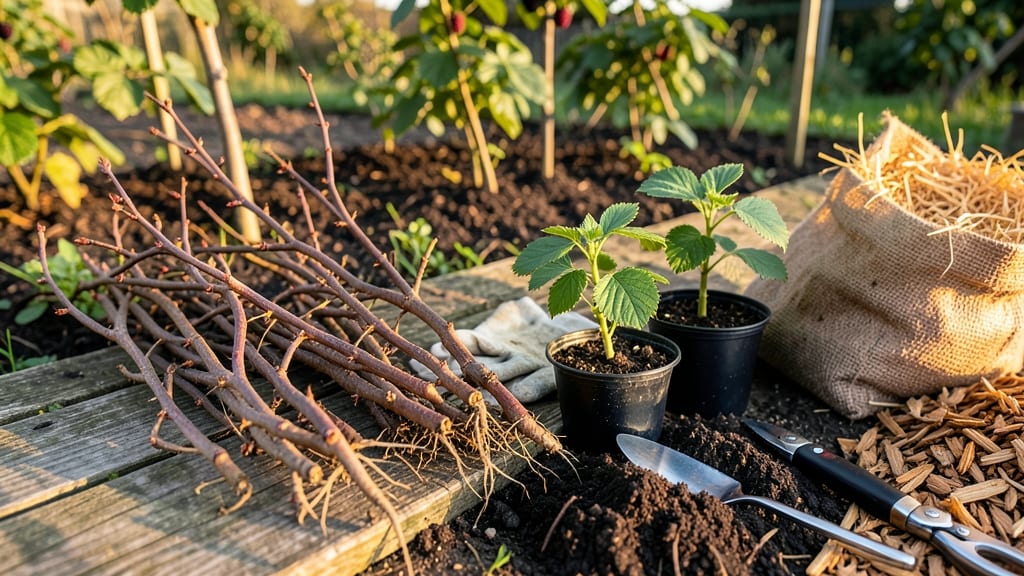
Planting blackberries in Oklahoma at the wrong time could mean winter-killed canes or stunted growth—so getting the timing right is your first step to a bountiful harvest. 🫐 With USDA zones ranging from 6b to 8a, Oklahoma’s chill-hour needs and soil warmth triggers matter more than most gardeners realize.
Most gardeners in Oklahoma assume spring planting is their only option, but fall offers a critical advantage: cooler soil temperatures and established roots before winter.
Whether you’re planting bare-root canes in September-October or early spring (February-April), knowing when your blackberries need dormancy and when to trigger growth makes all the difference.
I’ve grown blackberries across Oklahoma’s microclimates, and the key isn’t just the calendar—it’s matching your variety to chill-hour requirements (200–1,000 hours) and soil warmth (60°F+ for bare-root). Let’s break down the exact windows that work for your region, plus how to avoid common mistakes that waste time and money.
By the end, you’ll know not just when to plant, but how to set your blackberries up for maximum yields—whether you’re in the panhandle or the southeast. Ready to get started?
Oklahoma blackberry planting windows: chill-hours vs. frost dates
Oklahoma’s USDA zones 6b-8a create a unique challenge for blackberry growers—too little winter chill can stunt growth, while premature planting risks frost damage. The key lies in matching your blackberry variety to both chill-hour requirements and local frost dates.
Most Oklahoma regions experience 500-1,000 chill hours annually, but varieties like Chester (800+ hours) thrive in northern zones, while Navaho (300-500 hours) suits southern areas.
First, check your last spring frost date—typically mid-March in northern Oklahoma and late February in the south. Planting too early risks frost-killed canes, while waiting too long delays root establishment.
For best results, aim for 2-4 weeks after last frost when soil temperatures reach 60°F+. Fall planting (September-October) works too, giving roots time to establish before winter.
Here’s how Oklahoma’s microclimates affect timing: In the panhandle (zone 7b-8a), plant primocane varieties like Ouachita in early spring (March) to capitalize on longer growing seasons. In eastern Oklahoma (zone 6b-7a), focus on floricane types like Chester planted in late April to avoid late frosts.
Always verify your local frost dates via the National Weather Service or Oklahoma Mesonet.
Chill-hour mismatches are a top mistake—planting a high-chill variety in southern Oklahoma can result in poor fruiting or no berries at all. For example, Triple Crown (600-800 hours) works in central Oklahoma, but Arapaho (300-500 hours) is better for southeastern counties. Always check the variety tag or seed packet for chill-hour ranges.
🌱
| Variety | Chill-Hours Needed | Best Oklahoma Region | Planting Window | Notes |
|---|---|---|---|---|
| Chester | 800-1,000 | Northern OK (Zones 6b-7a) | Late April-May | Floricane; thorny |
| Navaho | 300-500 | Southern OK (Zones 7b-8a) | March-April | Primocane; thornless |
| Ouachita | 500-700 | Central OK (Zones 7a-7b) | Late March-April | Primocane; semi-thornless |
| Arapaho | 300-500 | Southeast OK (Zone 7b-8a) | February-March | Primocane; thornless |
| Triple Crown | 600-800
Soil warmth triggers: when to plant for maximum Oklahoma yieldsPlanting blackberries in Oklahoma isn’t just about avoiding frost—it’s about waiting for the soil to warm to the right temperature. Cold soil shocks roots, stunts growth, and invites disease. For bare-root canes, aim for 60°F+ soil, while potted plants can handle slightly cooler 50°F+ soil. In Oklahoma’s variable climate, this usually means late March to early April for spring planting. Use a soil thermometer to check depth (4–6 inches). If your soil hasn’t warmed enough by April, delay planting until May—better late than sorry. Fall planting (September–October) offers cooler soil, but ensure at least 6 weeks before first frost to let roots establish. In Oklahoma’s USDA Zones 6b–8a, this means avoiding late October plantings in northern regions. 🌱 Pro Tip: Test soil warmth at 10 AM for accuracy. Early mornings can be misleadingly cold. If your soil is still below 60°F by mid-April, consider black plastic mulch to accelerate warming. ⚠️ Warning: Planting Too EarlyCold soil (<55°F) causes root rot and transplant shock. Oklahoma’s spring temperature swings (30°F to 80°F in weeks) make early planting risky. Wait for consistent daytime highs of 65°F+ before planting bare-root canes. Symptoms of shock: Wilting, yellow leaves, or stunted growth within 2 weeks of planting. If you see these, prune damaged foliage and mulch heavily to insulate roots. For fall planting, prioritize September over October. Soil stays warmer longer, and plants have time to root before winter. In Oklahoma’s panhandle (Zone 7b–8a), you might push to early November, but southeastern Oklahoma (Zone 6b–7a) should finish by late September to avoid early frosts. After planting, monitor soil moisture closely. Newly planted blackberries need 1–1.5 inches of water weekly (deep soak, not surface sprinkling). Oklahoma’s spring droughts can stress young plants, so drip irrigation or soaker hoses work best. Avoid overhead watering to prevent fungal diseases like botrytis. 💧 Key Reminder: Oklahoma’s microclimates vary wildly. Check your local Cooperative Extension Service for frost/freeze alerts. For example, Tulsa (Zone 7a) may have 30°F nights in April, while Lawton (Zone 7b) might stay above 50°F. Adjust your planting timeline accordingly. |