
Planting
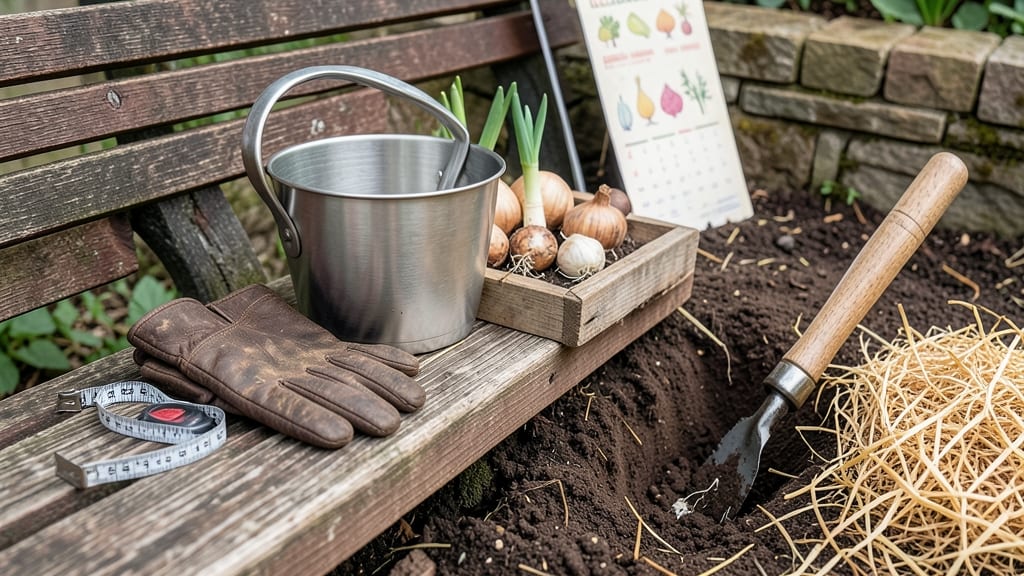
Planting flower bulbs 🌷 in the fall is your golden ticket to a spring garden that pops with color—but timing is everything. Get it wrong, and you might end up with weak blooms or no flowers at all.
The key? Knowing exactly when to plant in your zone and understanding how cold your bulbs need to get before they’ll burst into life.
Most gardeners in Zone 6a should aim to plant 6-8 weeks before the first frost, typically between early September and mid-October. But here’s the catch: some bulbs, like tulips, need 12-16 hours of cold to bloom properly, while others, like snowdrops, thrive with far less.
Plant too early, and they might sprout and freeze; too late, and they won’t get enough chill time.
I’ve learned the hard way that rushing or waiting too long can mean the difference between a showstopping display and a disappointing patch of dirt. The good news? With the right timing and a few simple tricks, you can ensure your bulbs survive winter and deliver vibrant blooms come spring.
Let’s break down exactly how to make it happen.
Whether you’re a first-time gardener or a seasoned pro, this guide will help you avoid common mistakes and set your bulbs up for success. Ready to dig in? Let’s get started.
Fall planting timelines by USDA Zone: when to plant flower bulbs for spring blooms
Planting flower bulbs in the fall is all about timing—specifically, the 6-8 weeks before your first frost. This window ensures bulbs establish roots before winter dormancy. But the exact dates vary dramatically by USDA hardiness zone, from Zone 3's harsh winters to Zone 10's mild climates.
Miss the deadline, and your bulbs may rot before spring blooms.
For example, in Zone 6a (like much of the Midwest), aim for mid-September to early October. In Zone 8 or warmer, you might still plant through November or even December—but only if the ground hasn’t frozen solid.
The key is to plant before the ground freezes, not before winter arrives.
Here’s the critical rule: Soil temperature should be between 40°F and 60°F at planting time. Cooler soils slow root growth, while warmer soils speed it up. Use a soil thermometer if you’re unsure—it’s a small investment for big results.
Southern gardeners in Zones 7-10 have more flexibility. In Zone 9 or 10, plant daffodils and snowdrops in December or January for early spring color. But tulips and hyacinths need cooler temps—plant them in fall (October-November) and protect them from winter rains with a light mulch layer.
Northern gardeners in Zones 3-5 should plant as early as August for bulbs like crocuses and alliums, which can handle early frosts. Tulips and daffodils go in September-October, but don’t wait until November—roots need time to establish before winter sets in.
🌱 Fall Planting Deadlines by USDA Zone
| Zone | Early Fall (Aug-Sept) | Mid Fall (Oct) | Late Fall (Nov-Dec) | Notes |
|---|---|---|---|---|
| 3-4 | ✅ Crocus, Allium | ✅ Tulips, Daffodils | ❌ Too late | Plant by September 15; mulch heavily. |
| 5-6 | ✅ Early varieties | ✅ Most bulbs | ⚠️ Only mild winters | Ideal: September-October; avoid soggy soil. |
| 7-8 | ✅ Late tulips | ✅ Daffodils, Hyacinths | ✅ Snowdrops | Plant through November; protect from frost. |
| 9-10 | ❌ Too early | ✅ Daffodils, Snowdrops | ✅ Winter planting | Best: December-January for cool-season blooms. |
Regional adjustments matter. In Pacific Northwest (Zone 7-8), plant tulips in October to avoid winter rains, which can cause rot. In Deep South (Zone 9-10), daffodils thrive with December planting—they bloom earlier and handle mild winters better than tulips.
Don’t overlook microclimates. A north-facing slope stays cooler longer, while a south-facing bed warms up faster. Adjust your planting timeline by 1-2 weeks if your garden’s microclimate differs from your zone’s average.
Pro tip: Check your local frost dates using the USDA Plant Hardiness Zone Map or a frost calendar from your state’s agricultural extension office. These resources provide hyper-local deadlines that generic zone charts can’t.
If you’re unsure whether to plant early or late, err on the side of early. Bulbs planted too late may not root deeply enough to survive winter.
But if you’re in a warmer zone (7-10) and bulbs sit in the ground too long, they can sprout prematurely and die back in cold snaps.
Finally, test your soil’s readiness. Stick a garden trowel in the ground—if it’s easy to push in but the soil holds its shape, it’s time to plant.
If it’s muddy or frozen, wait a few days. The right timing turns fall planting into a foolproof strategy for spring color.
Chill-hour requirements by flower bulb variety: how cold your bulbs need to bloom
Not all flower bulbs thrive with the same amount of winter chill. Understanding chill-hour requirements ensures your bulbs bloom reliably next spring. Chill hours are the total hours below 40°F (4°C) a bulb needs to trigger flowering. Plant too early or late, and you might skip the bloom entirely!
For example, tulips and daffodils typically need 12-18 hours of chill, while snowdrops bloom with as little as 0-10 hours. Southern gardeners may need to pre-chill bulbs in a refrigerator or plant low-chill varieties like grape hyacinths or crocuses.
Key takeaway: Adjust your planting timeline based on your USDA zone and the chill requirements of your chosen bulbs. For instance, in Zone 7, plant tulips by mid-October to ensure they get enough chill before winter sets in.
| Bulb Variety | Chill-Hour Needs | Best For Zones | Bloom Time |
|---|---|---|---|
| Tulips | 12-16 hours | 3-8 | Early to mid-spring |
| Daffodils | 12-18 hours | 3-9 | Mid to late spring |
| Crocuses | 0-10 hours | 4-10 | Early spring (sometimes winter) |
| Hyacinths | 15-20 hours | 4-8 | Mid to late spring |
| Alliums | 10-15 hours | 3-9 | Late spring |
| Snowdrops | 0-10 hours | 5-9 | Very early spring |
If you live in a warmer zone (9-10), opt for low-chill varieties like crocuses or grape hyacinths. For cooler zones (3-6), almost any bulb will work, but planting early fall ensures they get enough chill before the ground freezes.
Pro tip: Check the back of bulb packages for chill-hour recommendations. Some hybrid varieties may have unique requirements, so don’t assume all tulips need the same treatment!
For gardeners in transition zones (7-8), consider pre-chilling bulbs in a refrigerator for 6-8 weeks before planting if you’re unsure about natural chill accumulation. This mimics winter conditions and can help force blooms even in mild winters.
Now that you know the chill-hour needs of your favorite bulbs, you’re ready to plan your fall planting schedule with confidence. Next, we’ll cover 5 pro tips to