
Plants
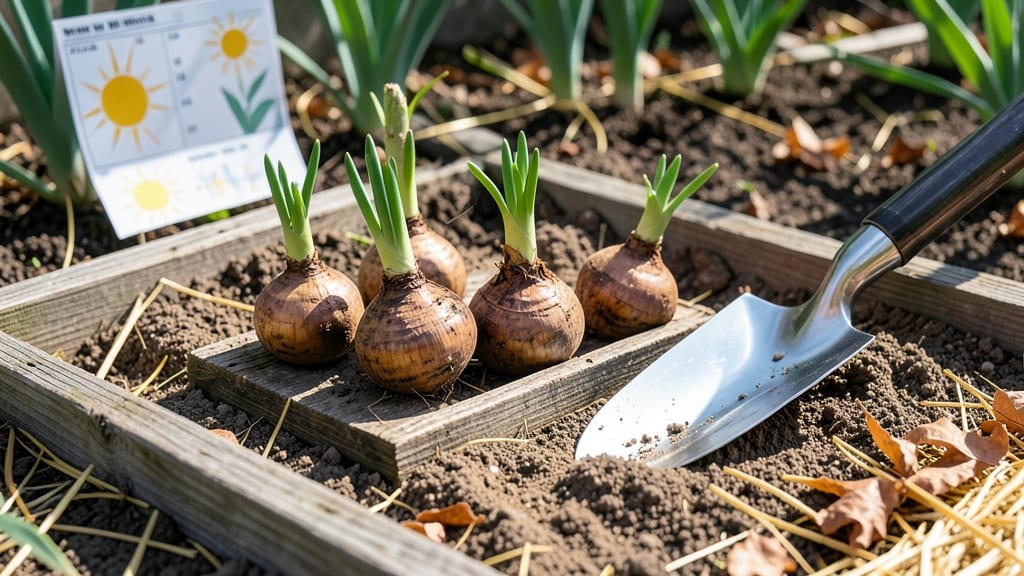
Planting your gladiolus bulbs at the wrong time in North Carolina could mean waiting months for those stunning 🌸 blooms—or worse, losing them to frost before they even sprout.
The key isn’t just knowing when to plant, but matching it to your exact heat zone (7a-8b) and avoiding those tricky late-spring surprises.
Most gardeners in NC focus on spring planting, but did you know fall is actually the secret weapon for extending your blooming season? I’ll break down the exact frost-free windows for both seasons, so you can plant with confidence and skip the guesswork.
We’ll cover everything from soil prep to spacing, plus how to tell if you’ve planted too early (hint: it’s not just about the calendar). By the end, you’ll know exactly when to get those bulbs in the ground for bold, healthy glads that thrive in your backyard.
Ready to transform your garden? Let’s dive into the perfect planting timeline for your North Carolina zone—and say goodbye to missed blooms for good.
North Carolina heat zones & ideal gladiolus planting dates
North Carolina’s diverse climate—spanning USDA zones 6b to 8a—means gladiolus planting times vary by region. In cooler mountain zones (6b-7a), like Asheville, aim for mid-April to early May to avoid late frosts.
Meanwhile, in warmer coastal areas (8a), such as Wilmington, you can plant as early as late March.
Gladiolus bulbs (or corms) thrive when soil temperatures hit 60°F (15°C) consistently. Use a soil thermometer to confirm—this typically aligns with 4-6 weeks before your last frost date.
For NC’s average March 15 last frost, that’s mid-February to early March for coastal zones and late March to early April for Piedmont and mountain regions.
Spring planting yields summer-to-fall blooms (July-October), while fall plantings (August-September) produce late-summer flowers before winter. However, fall plantings risk premature dormancy in colder zones, so prioritize spring for reliability.
| USDA Zone | Region Examples | Ideal Planting Window | Soil Temp Requirement | Bloom Time |
|---|---|---|---|---|
| 6b-7a | Asheville, Boone | Mid-April to early May | 60°F+ (15°C) | July–September |
| 7b | Raleigh, Greensboro | Late March to April | 60°F+ (15°C) | June–October |
| 8a | Wilmington, Fayetteville | Late March to early April | 60°F+ (15°C) | May–September |
| Fall Planting (All Zones) | Statewide | Late August to early September | 65°F+ (18°C) | September–October |
For extended blooms, stagger plantings every 2-3 weeks in spring. Start with early varieties (e.g., 'Picasso') in March, followed by mid-season (e.g., 'Green Star') in April, and late varieties (e.g., 'Black Pearl') in May. This ensures continuous color from July through October.
Check your local NC State Extension Office for hyper-local frost dates—some inland valleys (like the Yadkin Valley) may experience 2-3 weeks later frosts than coastal areas. Use their frost-free date maps to fine-tune your schedule.
Pro tip: In zone 7b and warmer, you can also try container growing for gladiolus. Plant in well-draining pots and move them indoors before first frost (mid-November) to preserve corms for next year.
Always plant gladiolus in full sun (6+ hours daily)—they won’t bloom well in partial shade. Combine them with companion plants like salvia or marigolds to deter pests and attract pollinators.
If you’re unsure about your zone, use the USDA Plant Hardiness Zone Map and enter your ZIP code to confirm. For example, Charlotte (zone 8a) has a 3-week earlier planting window than Hendersonville (zone 7a).
Remember: Gladiolus corms won’t survive winter in NC’s soil—dig them up after first frost and store them in a cool, dry place until next spring. This simple step saves you money and ensures healthier regrowth each year.
North Carolina heat zones & ideal gladiolus planting dates
North Carolina spans USDA Hardiness Zones 6b through 8a, which means your gladiolus planting window depends heavily on where you live. In cooler zones like Asheville (Zone 7a), aim for mid-April plantings, while warmer areas like Raleigh (Zone 7b) can start as early as late March.
The key is planting 4-6 weeks before your last frost date—typically between March 15 and April 15 for most of the state.
For fall plantings, late August to early September works best in NC’s climate. This timing lets bulbs establish roots before winter dormancy, ensuring stronger blooms next year. However, avoid planting too close to the first frost (usually mid-November), as gladiolus corms need time to harden off.
| NC Region | USDA Zone | Spring Planting Window | Fall Planting Window | Soil Temp Requirement |
|---|---|---|---|---|
| Mountains (Asheville) | 6b-7a | Mid-April to May 1 | Late Aug to Sept 10 | 55°F+ |
| Piedmont (Raleigh) | 7b | Late March to April 15 | Aug 15 to Sept 1 | 60°F+ |
| Coastal (Wilmington) | 8a | Early March to April 10 | Late Aug to Sept 5 | 65°F+ |
Check your local frost dates using the NC State Extension's Frost/Freeze Forecast tool to fine-tune your schedule. For example, gardeners in Charlotte (Zone 7b-8a) should plant by April 15 to avoid late-season frosts that can damage emerging shoots.
In Greenville (Zone 8a), you can push planting to early March for early blooms.
Pro tip: Use black plastic mulch in cooler zones to warm the soil faster and extend your planting window by 2-3 weeks. This trick is especially helpful in Zone 6b areas where spring soil stays cold longer.
Always test soil temperature with a soil thermometer—gladiolus corms need 60°F+ soil to sprout reliably.
If you're unsure about your exact zone, use the USDA Plant Hardiness Zone Map and enter your ZIP code. Most of NC falls between Zones 7a and 8a, but microclimates (like urban heat islands) can shift your ideal planting date by 1-2 weeks.
For example, Durham's urban areas may be 1-2 zones warmer than surrounding rural spots.
Remember: Gladiolus bulbs are not frost-tolerant, so never plant them before the soil warms. Even a light frost after planting can kill young shoots. In Zone 7a, wait until April 15 at the earliest—patience here ensures stronger, healthier plants.