
Plants
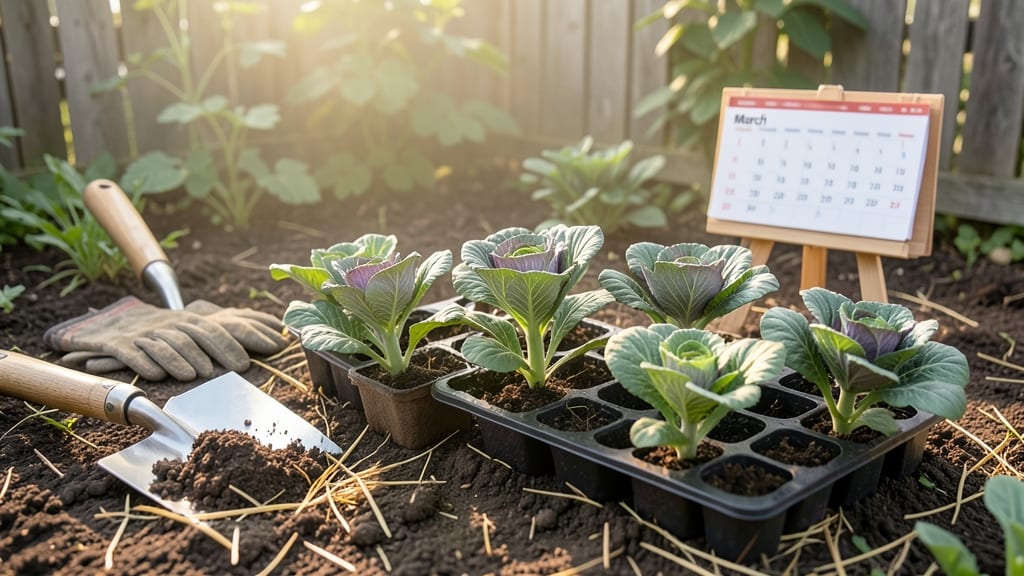
Planting cabbage in North Carolina at the wrong time can mean the difference between a bountiful harvest of crisp, sweet heads and a bitter disappointment. With USDA zones 7a-8b offering two ideal windows—early spring and late summer—timing is everything for your 🥬 garden.
Most gardeners in North Carolina focus on spring planting, starting seeds indoors in February or transplanting seedlings by March to avoid early frosts. But don’t overlook fall planting, which begins in August for a late-October harvest before winter sets in.
The key is understanding your local frost dates—Coastal Plain areas may have 10-14 days earlier last frosts than the Mountains. Whether you’re direct-sowing or transplanting, getting this right ensures your cabbage thrives without bolting or developing off-flavors.
In this guide, I’ll break down the exact planting windows by variety, share tips for extending your season, and help you avoid common mistakes that North Carolina gardeners face. Let’s get your cabbage off to the right start!
Best planting times for cabbage in North Carolina by variety type
North Carolina’s diverse climate zones—from the Coastal Plain to the Mountains—create unique planting windows for cabbage. The key is aligning your variety type with frost dates and soil temperatures.
For spring cabbage, start seeds indoors 8-10 weeks before your last frost date, while fall varieties thrive when planted 8-10 weeks before the first frost. Coastal areas (Zone 8a) can extend seasons, but mountain regions (Zone 7a) need earlier starts.
Cabbage falls into three main maturity categories: early (50-60 days), mid-season (60-75 days), and late (75-90 days). Early varieties like 'Early Jersey Wakefield' are perfect for spring harvests, while late varieties such as 'Golden Acre' excel in fall plantings.
Each category has distinct timing needs to avoid bitter flavors or bolting.
Here’s how to match your cabbage variety with North Carolina’s regional frost dates and planting windows:
| Variety Type | Planting Window | Frost-Free Days Needed | Notes for NC Gardeners |
|---|---|---|---|
| Early Varieties (50-60 days) | February–March (direct sow) or March–April (transplant) | 60-75 days | Ideal for spring harvests before summer heat. Use row covers for late frosts. |
| Mid-Season (60-75 days) | March–April (spring) or August–September (fall) | 90-105 days | Best for Coastal Plain gardeners. Avoid planting in July-August heat. |
| Late Varieties (75-90 days) | July–August (transplant) or August–September (direct sow) | 120-135 days | Perfect for fall harvests. Mountain regions should plant by July 15. |
| Savoy Varieties (60-80 days) | March–April (spring) or August (fall) | 75-90 days | Tolerates cooler temps better. Great for mountain gardens. |
For Coastal North Carolina, where last frost dates can be as late as March 20, you can push spring plantings into early April. In contrast, the Appalachian Mountains may see frost until April 15, requiring earlier starts.
Always check your local frost dates using the NC State Extension resources or a frost calendar for precise timing.
Direct sowing is ideal for spring plantings in North Carolina, but transplanting seedlings gives you more control over timing. Start seeds indoors 4-6 weeks before your last frost date, then harden off seedlings for 7-10 days before transplanting.
This method works especially well for late varieties that need a longer growing season.
Soil temperature is another critical factor. Cabbage seeds won’t germinate in soil colder than 40°F (4°C). Use a soil thermometer to monitor temperatures, especially in mountain regions where nights can still be chilly in April.
If soil is too cold, opt for transplants or use black plastic mulch to warm the soil faster.
Fall plantings should begin 8-10 weeks before your first frost date. In most of North Carolina, this means late July to early August. Choose heat-tolerant varieties like 'Crimson Love' or 'Golden Acre' for summer starts. Avoid planting in mid-August or later, as heads may not mature before frost.
Pro tip: If you’re in Zone 8a (Coast
Best planting times for cabbage in North Carolina by variety type
North Carolina’s diverse climate zones—from the Coastal Plain to the Mountains—create unique planting windows for cabbage. The key is aligning your variety type with local frost dates, which range from March 15 (Coastal) to April 15 (Mountains).
Early varieties thrive in cooler temps, while late-season types handle summer heat better.
For spring cabbage, start seeds indoors 4-6 weeks before your last frost date (typically February) or sow directly in early March. Fall plantings should begin 8-10 weeks before the first frost (usually August), with transplants ready by mid-September.
Summer varieties like 'Golden Acre' tolerate heat better and can be planted in late May.
| Variety Type | Planting Window | Days to Maturity | NC-Specific Notes |
|---|---|---|---|
| Early (e.g., 'Golden Acre') | Feb 15 - Mar 15 (direct sow) or start indoors Jan 15 | 50-60 days | Best for Coastal Plain; avoid heat stress |
| Mid-Season (e.g., 'Market Price') | Mar 1 - Apr 15 (spring) or Aug 15 - Sep 1 (fall) | 60-75 days | Versatile for Piedmont; use row covers if late frost risk |
| Late (e.g., 'Late Flat Dutch') | Aug 1 - Sep 15 (direct sow) or start indoors Jul 15 | 75-90 days | Ideal for Mountains; harvest before first frost |
| Summer (e.g., 'Crimson Love') | May 15 - Jun 15 (direct sow) | 60-70 days | Heat-tolerant; mulch to retain moisture |
In USDA Zone 7a (Western NC), aim for March 1 starts to avoid late frosts, while Zone 8b (Coastal) gardeners can begin as early as February 15. For organic growers, use compost-rich soil to buffer temperature swings, which help seedlings establish faster in cooler months.
Pro tip: Soil temperature should be at least 40°F for germination. Use a soil thermometer to check—cooler soils delay sprouting. In the Mountains, wait until April 1 to avoid frost damage, even if your variety is early-maturing.
For fall harvests, prioritize late-maturing varieties like 'Late Flat Dutch' to extend your season into November. In southern NC, you might even squeeze in a second fall crop by planting in late July, using shade cloth to protect young plants from summer heat.
Always harden off seedlings for 7-10 days before transplanting, especially for spring plantings when nights are still chilly. This toughens them up for North Carolina’s unpredictable weather, whether it’s a late frost or sudden heatwave.