
Plants
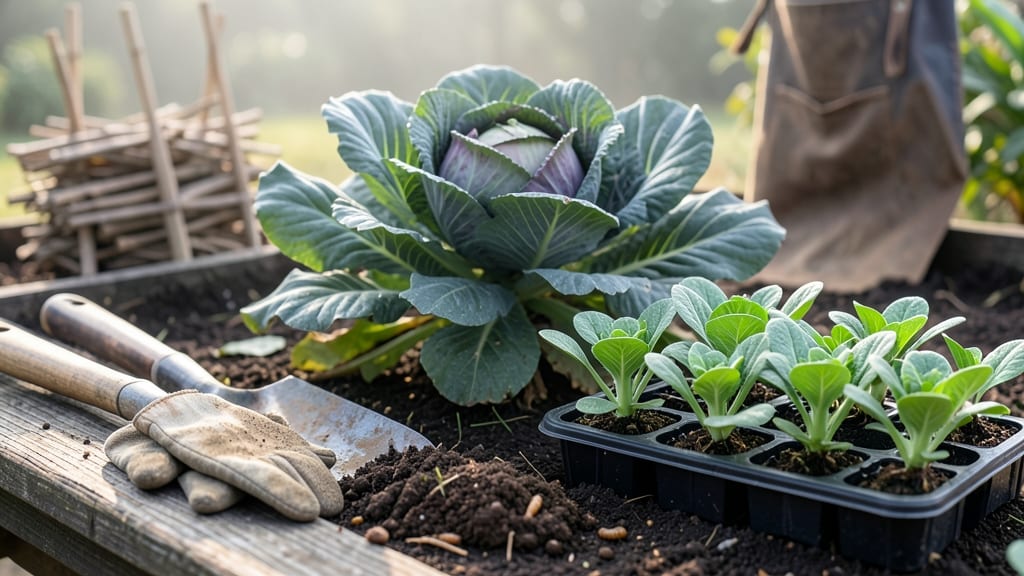
Timing your cabbage planting in Illinois can make the difference between a bountiful harvest and a sad, bolted mess—especially when you're working with USDA zones 5-6 and unpredictable spring weather.
The key is planting 🥬 at the right moments: early spring or late summer, when temperatures cooperate and frost isn’t lurking. Get this wrong, and you’ll either wait forever for heads to form or watch your plants rush to seed before you can enjoy a single crisp bite.
I’ve learned the hard way that planting too early in spring risks frost damage, while waiting too late means summer heat triggers bolting—those bitter, flower-stalk sprouts that ruin everything. Illinois gardeners have two prime windows to work with: March-April for spring crops and July-August for fall harvests.
But here’s the catch: your exact timing depends on whether you’re starting seeds indoors or transplanting seedlings, and which cold-hardy varieties you’ve chosen.
What if I told you there’s a simple strategy to maximize your cabbage yield without guessing? It starts with understanding your last frost date (usually around April 15) and planning accordingly.
Whether you’re a beginner or a seasoned gardener, these proven planting schedules will help you avoid common mistakes and get heads ready for harvest by May-June or September-October—just in time for those cozy fall meals.
Let’s break down exactly when to plant, which varieties perform best in Illinois’ climate, and how to troubleshoot when things go wrong. By the end, you’ll know exactly when to put those seeds in the ground—or transplant seedlings—for cabbage that’s crisp, healthy, and ready to harvest at its peak.
Best planting times for cabbage in Illinois: spring vs. fall schedule
Timing your cabbage planting in Illinois hinges on two key windows: early spring and late summer/fall. Illinois’ USDA Zones 5-6 offer 165 frost-free days, but cabbage’s cool-season preferences demand precision. Plant too early, and frost will damage seedlings; too late, and heat triggers bolting (premature flowering).
For spring planting, aim to sow seeds or transplant seedlings 4-6 weeks before your last frost date. In most of Illinois, this means mid-March to early April.
Cabbage needs 50°F soil temperatures to thrive, so wait until the ground warms—cold soil stunts root growth. Use row covers if frost threatens after planting.
Your fall planting window opens July to early August, targeting a September-October harvest before the first frost. This schedule avoids summer’s heat stress while letting cabbage mature in cooler temps. July planting gives you 100-day varieties like ‘Golden Acre’ for late-season harvests.
🌱
Direct sowing in late winter (February) is risky in Illinois due to frost, but you can try it under cold frames or greenhouse setups. For most gardeners, transplanting seedlings (purchased or home-grown) is easier and more reliable.
Start seeds indoors 4-6 weeks before your last frost date—typically mid-February to early March—to have sturdy seedlings ready for outdoor planting.
Northern Illinois (Zones 4-5) has a shorter growing season, so prioritize early-maturing varieties (60-75 days) like ‘Early Jersey Wakefield’ for spring. Southern Illinois (Zone 6) can stretch to 100-day varieties like ‘Red Express’ for fall harvests. Always check your local frost dates—they vary by 1-2 weeks across the state.
Succession planting is key for continuous harvests. In spring, sow every 2 weeks until mid-May to stagger maturity. For fall, plant every 3 weeks in July to ensure a harvest before frost. This method maximizes your garden space and reduces waste.
🌿
Watch for heat stress signs like yellowing leaves or loose heads—these signal it’s time to harvest or replant. In Illinois’ humid summers, shade cloth (30-50%) can protect cabbage from bolting while maintaining airflow to prevent disease. Pair your cabbage with companion plants like dill or onions to deter pests naturally.
💧
Best planting times for cabbage in Illinois: spring vs. fall schedule
Illinois gardeners have two ideal windows to grow cabbage: early spring and late summer/fall. The key is avoiding summer heat, which causes bolting (premature flowering).
For USDA Zones 5-6, time your planting to align with soil temperatures of 50°F or warmer and frost-free periods of at least 60-75 days.
Spring planting starts 4-6 weeks before your last frost date (typically March-April in Illinois). Fall planting should begin July-August, with enough time for heads to mature before first frost (usually mid-October). These windows ensure crisp, firm heads—never soggy or bitter.
| Planting Window | Best Months | Soil Temp | Days to Maturity | Harvest Window |
|---|---|---|---|---|
| Early Spring | March-April | 50°F+ | 75-100 days | May-June |
| Late Summer/Fall | July-August | 50°F+ | 60-80 days | September-October |
*Use row covers to extend fall harvests if frost threatens early.
For direct sowing, wait until soil warms to 50°F (use a soil thermometer to check). If starting indoors, begin seeds 4-6 weeks before transplanting (early March for spring, early July for fall). Harden off seedlings for 7-10 days before moving them outdoors to avoid shock.
Northern Illinois (Zones 4-5) should plant 2 weeks later than southern regions (Zones 6) to avoid early frost damage. Always check your local frost dates—they can vary by 7-10 days even within the state. Use mulch to insulate roots and maintain even soil temps.
Missed spring planting? Don’t panic—fall cabbage is just as rewarding. Just choose fast-maturing varieties (like ‘Red Express’) to ensure heads form before frost. Avoid planting after mid-August, as heat stress will trigger bolting and ruin your crop.
Pro tip: Succession plant every 2-3 weeks in spring for a continuous harvest. Space plants 18-24 inches apart to prevent disease and allow airflow. Cabbage loves cool weather—embrace it!