
Plants
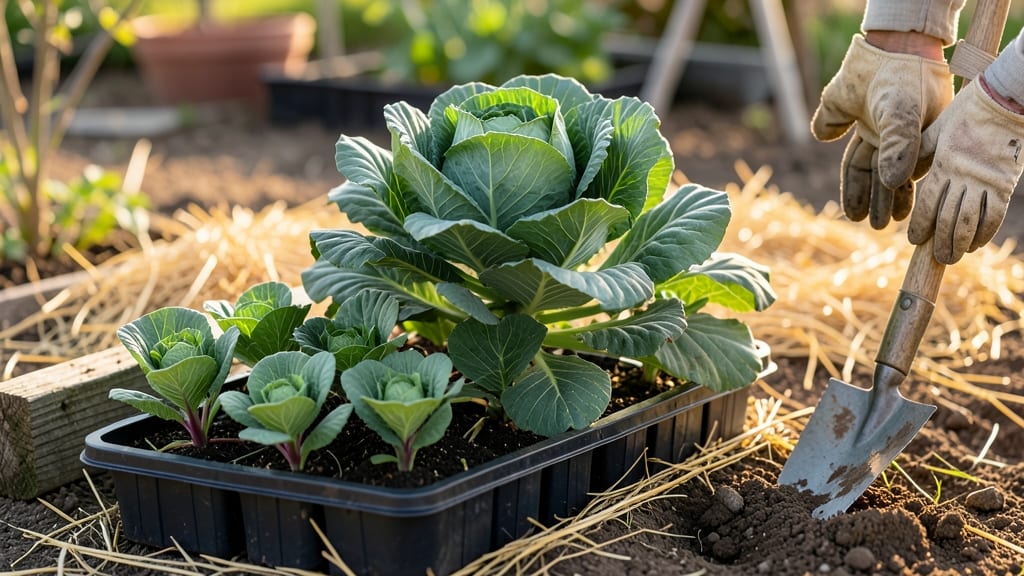
To plant cabbage in Alabama—and actually get a bountiful harvest—you’ve got to time it perfectly between the last frost and the summer heat. The wrong window means bolting plants or wilted heads, but get it right, and you’ll enjoy crisp, homegrown 🥬 from spring through fall.
Alabama’s 7b-8b climate gives gardeners two prime planting seasons: early spring (February-March) and late summer (August-September). These windows avoid the heat stress that sends cabbage into early bolting, while still providing enough frost-free days for full growth.
Here’s the game-changer: soil temperature matters just as much as frost dates. Cabbage thrives when soil stays between 45°F and 85°F, but Alabama’s inland and coastal regions have different microclimates. I’ll walk you through how to adjust your schedule based on your exact location.
Whether you’re a first-time gardener or a seasoned pro, these insights will help you grow cabbage that’s bolt-resistant and ready for harvest at the perfect moment. Let’s dive into the exact timing and techniques that work in Alabama’s unique growing conditions.
Best cabbage planting times in Alabama: frost dates & soil temperature guide
Alabama’s diverse microclimates mean your cabbage planting window depends heavily on whether you’re in North Alabama (USDA Zone 7b) or South Alabama (Zone 8b). The key to success? Planting when soil temperatures stay between 45°F and 85°F—too cold and seeds won’t germinate; too hot and seedlings bolt prematurely.
Let’s break down the exact planting months and frost-free windows for each region.
In North Alabama, the last spring frost typically arrives around mid-March, while South Alabama enjoys a 2-3 week earlier window due to milder winters. For fall planting, aim to sow seeds 8-10 weeks before your first frost—usually late August to early September in most areas.
These timing adjustments prevent heat stress in summer and frost damage in winter.
🌱
For direct sowing, wait until soil temperatures reach at least 45°F—use a soil thermometer to check early mornings. If you’re starting seeds indoors, begin 6-8 weeks before your last frost date for robust transplants.
Pro tip: Harden off seedlings by exposing them to outdoor conditions gradually over 7-10 days before transplanting.
Alabama’s summer heat (often exceeding 90°F) makes mid-summer planting risky—cabbage bolts when stressed. Instead, focus on early spring (for May-June harvests) and late summer (for October-November harvests). If you’re eager for a winter harvest, try cold-hardy varieties like ‘Windsor’ and use row covers to protect tender plants.
🌡️
Soil temperature is just as critical as air temperature. Cabbage seeds won’t germinate below 40°F, and growth slows dramatically below 50°F. In Alabama’s cooler inland valleys, you might extend your spring window by 1-2 weeks compared to coastal areas.
Always test soil with a thermometer—50-60°F is ideal for germination, while 65-75°F speeds up growth. Overheated soil (85°F+) triggers bolting, so avoid planting when daytime highs exceed 80°F.
For fall cabbage, aim to harvest before hard frosts hit. In North Alabama, this means October harvests, while South Alabama gardeners can enjoy November harvests.
If you miss the fall window, consider winter varieties like ‘January King’—they tolerate light frosts and produce sweeter heads in cooler weather.
📅
Localized adjustments matter! Check the Alabama Cooperative Extension System for your county’s specific frost dates—some areas, like Mountain Brook or Daphne, have unique microclimates. For example, coastal Alabama (like Mobile) can plant 2 weeks earlier than Huntsville due to milder winters.
Always monitor 7-day forecasts before transplanting to avoid late spring frosts, which can devastate young seedlings.
Remember: Succession planting every 2 weeks in spring and fall ensures a continuous harvest. By staggering plantings, you’ll avoid glutting your kitchen with cabbage all at once while maximizing your garden’s potential.
With the right timing, Alabama’s climate can actually work in your favor—just stay flexible and ready to adapt!
How to extend Alabama’s cabbage growing season with smart techniques
Alabama’s hot summers and unpredictable frosts can make cabbage growing feel like a high-stakes game—but with the right tricks, you can grow cabbage nearly year-round. The key is protecting seedlings and extending seasons using simple yet effective techniques like row covers and succession planting.
For spring plantings, use frost blankets or cold frames to shield young plants from late March frosts. In fall, plant heat-tolerant varieties early (late July) and use shade cloth to protect from summer heat stress.
Here’s how to push your cabbage season further than ever before:
- 1 Use row covers (lightweight fabric) to protect seedlings from late spring frosts (down to 25°F) and summer pests.
- 2 Plant in succession every 2-3 weeks from February to September for a continuous harvest. Start with fast-maturing varieties like ‘Golden Acre’ (50 days).
- 3 Try cold frames or hoop houses to plant fall cabbage as early as July. These structures add 5-10°F warmth, delaying frost damage.
- 4 Choose heat-tolerant varieties like ‘Cavalo’ or ‘Surprise’ for summer plantings. These handle 90°F+ temps better than traditional types.
- 5 Mulch heavily with straw or leaves to keep soil cool and moist during summer. This prevents bolting (premature flowering) in heat.
For fall harvests, aim to plant by mid-August so heads mature before November frosts. Use shade cloth (30-50%) during peak summer heat to protect young plants from heat stress, which causes bitter flavors.
Don’t forget: Succession planting is your secret weapon. By staggering plantings every 2 weeks, you’ll enjoy fresh cabbage from spring through fall—even in Alabama’s challenging climate. 🌿