
Plants
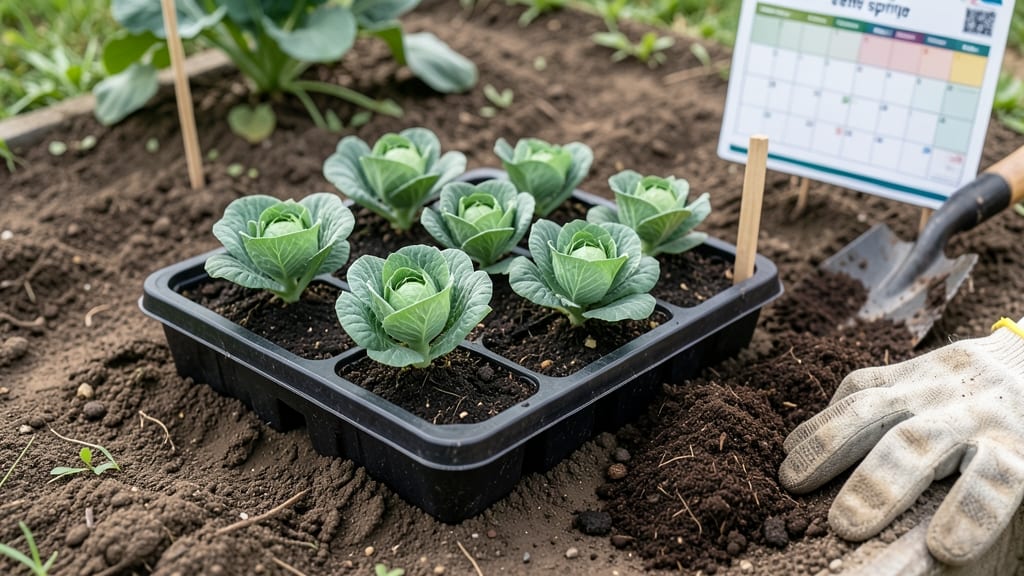
Planting cabbage in Oklahoma isn’t just about grabbing seeds and sticking them in the dirt—it’s about outsmarting the state’s unpredictable heat and sudden freezes to guarantee a harvest.
With the right timing, you can grow crisp, flavorful heads from spring through fall, but get it wrong, and you’ll end up with bitter, bolted plants or frost-damaged crops.
I’ve learned the hard way that Oklahoma’s USDA Zones 6b-8a demand a careful balance: start too early, and your cabbage 🥬 will bolt before it matures; wait too long, and frost will ruin your efforts.
The key is planting in early spring (March-April) or late summer (August-September) when temperatures are just right—cool enough for growth but warm enough to avoid early frost.
In this guide, I’ll walk you through the exact planting windows, heat-tolerant varieties that thrive in Oklahoma’s climate, and pro tips to extend your harvest season.
Whether you’re a first-time gardener or a seasoned green thumb, these strategies will help you grow cabbage that’s reliable, abundant, and delicious—no guesswork required.
Ready to turn your backyard into a cabbage powerhouse? Let’s dive into the science-backed schedule that works for Oklahoma’s unique growing conditions.
Best planting times for cabbage in Oklahoma’s climate zones
Oklahoma’s USDA Zones 6b-8a create a unique challenge for growing cabbage. The key is planting when soil temperatures stay below 80°F but remain warm enough to avoid slow germination. Most gardeners in Oklahoma focus on two main planting windows: early spring and late summer.
For spring planting, aim to sow seeds 4-6 weeks before your last frost date. In Oklahoma, this typically means mid-February to early April, depending on your exact location.
Northern Oklahoma (Zone 6b) can start slightly earlier, while southern regions (Zone 8a) should wait until late March to avoid heat stress.
Cabbage thrives in cool weather, so fall planting is equally important. Seedlings should go into the ground 8-10 weeks before the first frost, which in Oklahoma usually falls between mid-August and early September. This timing ensures your cabbage matures before winter chill sets in.
Here’s how Oklahoma’s climate zones break down for optimal planting:
| Planting Window | USDA Zone | Soil Temp | Key Consideration |
|---|---|---|---|
| Mid-February to early April | 6b-7a | 40-60°F | Avoid early heat spikes |
| Late March to early April | 7b-8a | 45-65°F | Wait for stable temps |
| Mid-August to early September | All zones | 60-75°F | Prevent bolting before frost |
If you’re in Zone 8a, where winters are milder, you might even try overwintering cabbage by planting in late September. Use row covers to protect young plants from unexpected cold snaps, which can occur as early as October in northern Oklahoma.
For direct sowing, plant seeds ¼ inch deep and space them 18-24 inches apart. If starting indoors, transplant seedlings outdoors when they’re 4-6 weeks old and have 4-5 true leaves. Harden them off for 7-10 days before transplanting to avoid shock.
Always monitor soil moisture during germination, as dry soil can cause seeds to fail. Keep the soil consistently moist but not soggy until seedlings emerge, which typically takes 7-14 days depending on temperature.
Remember, Oklahoma’s heat is your biggest enemy. Once temperatures consistently exceed 85°F, cabbage plants will bolt (send up a flower stalk) and become bitter. That’s why shade cloth and succession planting are your best friends in this climate.
Pro tip: Use a soil thermometer to check temperatures before planting. Cabbage seeds need soil temps between 40-80°F to germinate properly. If your soil is too hot, wait a few weeks or use shade cloth to cool it down.
🌱
Best planting times for cabbage in Oklahoma’s climate zones
Oklahoma’s USDA zones 6b-8a create a unique challenge for cabbage growers. The key is planting when soil temperatures stay below 80°F but avoid early spring frosts. For spring cabbage, aim for 4-6 weeks before your last frost date—typically mid-March to early April in most regions.
In southern Oklahoma, you can push this to late February.
Fall planting offers a second chance for harvests. Start seeds 8-10 weeks before first frost (usually late July to early August). This gives plants time to mature before November’s first frost. In northern Oklahoma, wait until mid-August to avoid heat stress during head formation.
| Season | Planting Window | Soil Temp | Key Consideration |
|---|---|---|---|
| Spring | Mid-March to early April | 40-60°F | Avoid heat bolting; use shade cloth if temps rise above 75°F |
| Fall | Late July to early August | 60-75°F | Prioritize disease-resistant varieties for humid Oklahoma summers |
| Late Fall | Mid-August (northern OK) | 50-65°F | Use row covers for frost protection in October |
For succession planting, Oklahoma gardeners can stagger seeds every 2-3 weeks from March through May. This ensures a continuous harvest through July. In fall, plant a final succession mid-August for late-October harvests before hard frosts arrive.
Monitor soil temperature with a thermometer—cabbage roots struggle in soils above 80°F. In western Oklahoma’s hotter zones, consider drip irrigation to maintain cooler soil temperatures. Morning watering (before 10 AM) prevents fungal diseases while keeping roots cool.
Pro tip: Use black plastic mulch in spring to warm soil faster and extend the planting window by 1-2 weeks. Remove it once plants are established to prevent overheating. This works especially well for northern Oklahoma gardens where springs can be slow to warm.
Remember that Oklahoma’s microclimates vary dramatically. Check your local cooperative extension service for precise frost dates—some areas like Tulsa may have 2-3 weeks earlier last frost dates than Oklahoma City. Adjust your planting timeline accordingly to maximize your cabbage harvest potential.